

Paramount is considering leaving California, including a possible relocation of its headquarters and a large part of its planned $30 billion investment program, amid a legal effort by the state to block its $110 billion acquisition of Warner Bros. Discovery.
The move comes as California and 11 other U.S. states sue to stop the merger, arguing that the deal would harm competition in film distribution and cable television and damage movie theaters and pay-TV distributors. The lawsuit poses a serious threat to Paramount CEO David Ellison’s attempt to turn the company into a major competitor to Netflix and Disney.
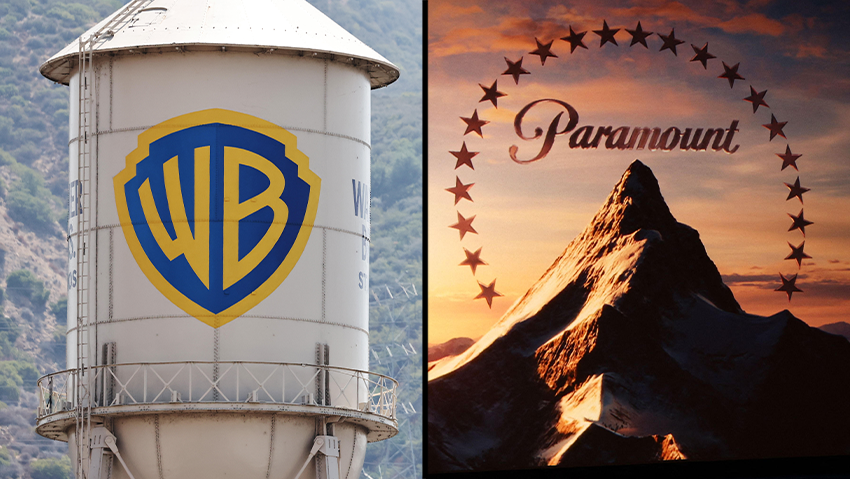
In February, Paramount agreed to acquire Warner Bros. Discovery, and the deal is expected to close in the third quarter of the year. California Attorney General Rob Bonta is leading a broader regulatory push, which reportedly includes New York and Connecticut, aimed at preventing the merger on the grounds that it could reduce competition, cut jobs and limit consumer choice.
Advisers to Ellison have reportedly urged him to consider moving the company’s base if Bonta files suit, with some people around him describing California’s business climate as unfriendly. In practice, Paramount has already begun examining alternatives. The leading option is reportedly a 10-year lease for 27,871 square meters at 1888 Studios in New Jersey. Reports have also said the company has considered moving to Texas.
Paramount has said, however, that it would keep both of its California studio facilities even if the merger and a relocation move forward.
The dilemma reflects a broader trend in Hollywood. Production in Los Angeles has been shrinking as more shoots move abroad or to U.S. states offering generous tax incentives, including North Carolina, Georgia and Texas. New York, New Jersey and Illinois have also been attracting a growing share of the industry.
Hollywood’s cultural influence has endured for more than a century, but the economic pull of tax incentives is drawing more work elsewhere. A Paramount exit would place the studio alongside other major corporations that have left California while citing high taxes and heavy regulation, including Tesla, Oracle and Chevron, which moved its headquarters from San Ramon to Texas two years ago.
Such a departure would be especially significant for a state already fighting aggressively to preserve entertainment jobs.
11 states sue to block the deal
California and 11 other states are suing to block Paramount’s $110 billion takeover of Warner Bros. Discovery. The lawsuit claims the deal would hurt competition in film and cable television distribution and harm theaters and pay-TV providers.
“Through this lawsuit, California and our sister states are fighting for free and fair markets, not rigged markets. America has no kings in our government, or in our economy,” Bonta said in a statement.
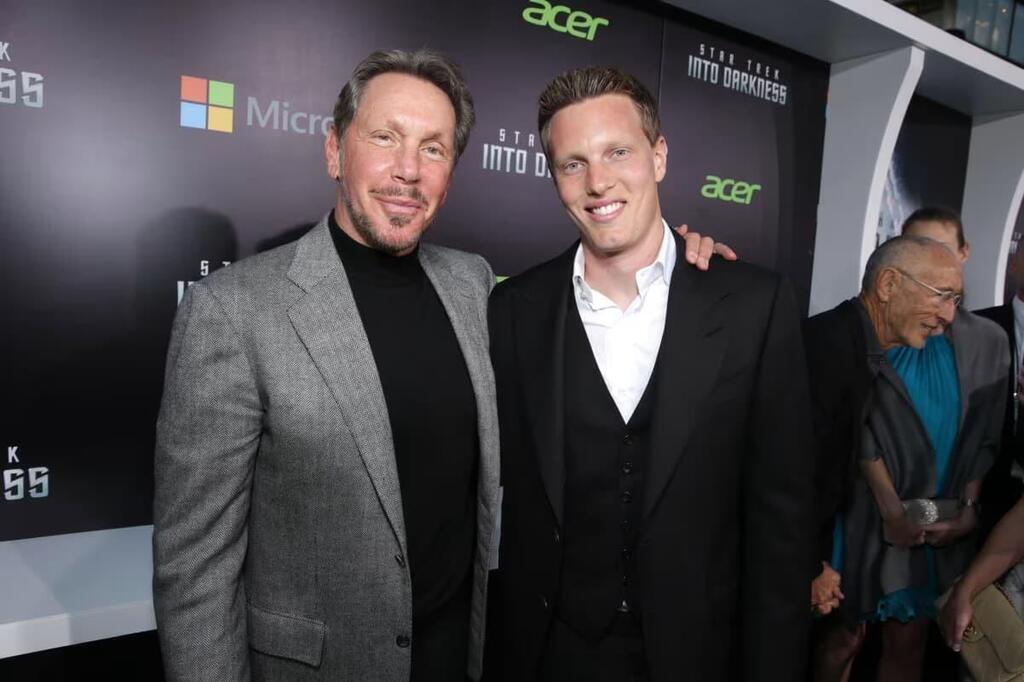
David and Larry Ellison
(Photo: Eric Charbonneau/Invision/AP)
The states said that if the deal is allowed to proceed, Paramount would control 27% of the market for theatrical film distribution across the United States, 30% of blockbuster film distribution and 27% of the basic cable channel market.
A decision on the states’ claims is expected to take months, causing a delay that could cost Paramount hundreds of millions of dollars. The deal has already drawn protest from actors, writers and others who fear it will damage jobs. Theater owners have also opposed the merger, out of concern that combining Warner Bros. and Paramount Pictures would lead to fewer films.
Paramount argues that the deal would allow it to make more films, not fewer, after cutting $6 billion from overlapping infrastructure, marketing and corporate jobs. Ellison has pledged that the combined film studios would release 30 movies a year.
The U.S. Justice Department has already approved the deal, finding that it does not raise competition concerns. The lawsuit by the states, however, creates a new obstacle for a transaction that has also drawn political scrutiny.
Larry Ellison, the billionaire Oracle co-founder and father of Paramount CEO David Ellison, has cultivated ties with President Donald Trump, and the company has hired former Trump administration officials as it works to secure approval for the deal.
Paramount has committed to paying about $650 million in fees to Warner Bros. Discovery shareholders every quarter if the deal does not close before October. The company said delays could force it to renegotiate financing, create uncertainty around its share price and even cause the deal to collapse altogether.