

The IDF is expanding its counter-drone capabilities and has signed a contract with Rehovot-based Magos Systems to supply hundreds of radar systems for detecting unmanned aircraft, in a deal worth about 21 million shekels ($5.7 million).
Eight Magos radars have already entered IDF service, and the new order was placed following their operational performance.
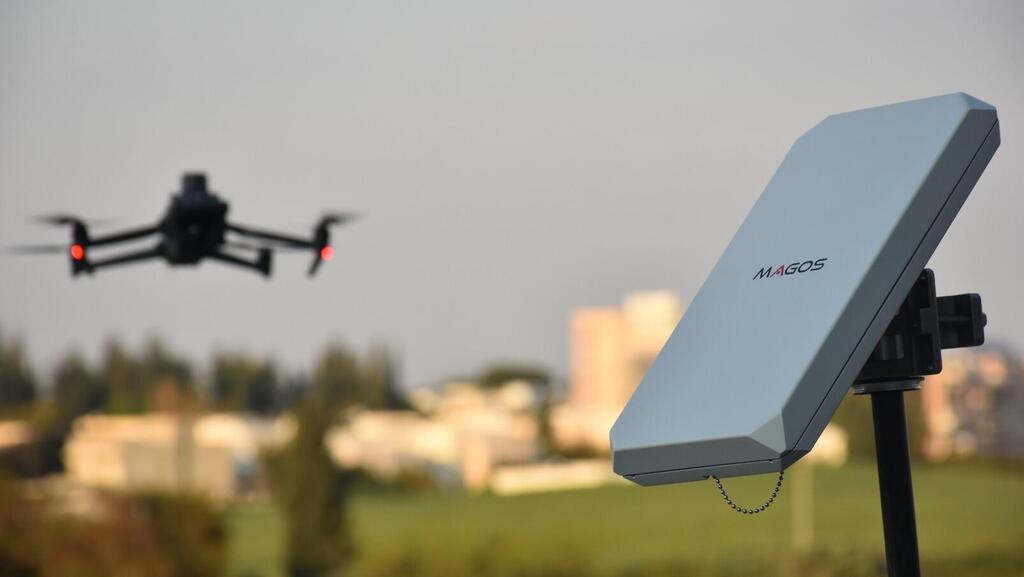
The system is designed to allow broad deployment at a relatively low cost. Each radar costs only several tens of thousands of shekels, roughly several thousand dollars, compared with hundreds of thousands of shekels, or tens of thousands of dollars, for larger radar systems.
Its main advantage is the ability to give troops in the field at least 60 seconds of warning to take cover or prepare for an approaching drone, regardless of whether they hear it coming.
The Magos system can also detect fiber-optic drones, which are not controlled by radio waves and therefore cannot be identified by conventional drone-detection methods. The system identifies them using artificial intelligence and other tools based on the movement of their rotors.
The new system has passed strict testing by several customers in Israel and abroad and showed strong results. The radars are lightweight, compact, easy to carry and based on Beamforming MIMO technology with low power consumption, making them especially suited for tactical missions and remote sites.
Magos’ customers include defense facilities, critical infrastructure sites and government bodies around the world, across sectors ranging from energy and electricity facilities, solar farms, ports and data centers to community defense and logistics sites. Alongside its operations in Israel, the United States, South America and Europe, the company is expected to launch broader business activity in India soon.
The drone threat, once seen as a future challenge, has become a clear operational reality in recent years, especially during IDF fighting in Lebanon. In battlefields around the world, drones have been used for attacks, intelligence gathering and fire direction, influencing both combat operations and public perception.
Magos was founded in 2010 by CEO Aviel Kisliansky, an electronics engineer with a master’s degree and a former captain in the IDF radar division, and Amit Isseroff, also an electronics engineer with a master’s degree and a former Intel employee.

CEO Aviel Kisliansky
(Photo: Dafna Tal)
The company’s largest shareholder is Afcon, controlled by the Schmelzer family, while another major investor is international corporation Johnson Controls. Magos has raised $5 million to date, and its annual sales, across operations in 70 countries, range from $20 million to $30 million.
The company has manufactured and installed thousands of systems worldwide, with deployment in more than 70 countries. Another competitive advantage, according to the company, is its ability to reduce false alerts and reliably detect threats in challenging weather, visibility and environmental conditions.
Magos products meet strict military and civilian standards, as well as leading safety and international standards.