

OpenAI, the company behind ChatGPT, is taking its most ambitious step yet toward redefining how we experience the internet: it’s building a full-blown AI-native web browser. And this isn’t just a side project—it’s a strategic move that could seriously disrupt the ad-driven empire Google has built around Chrome and Search.
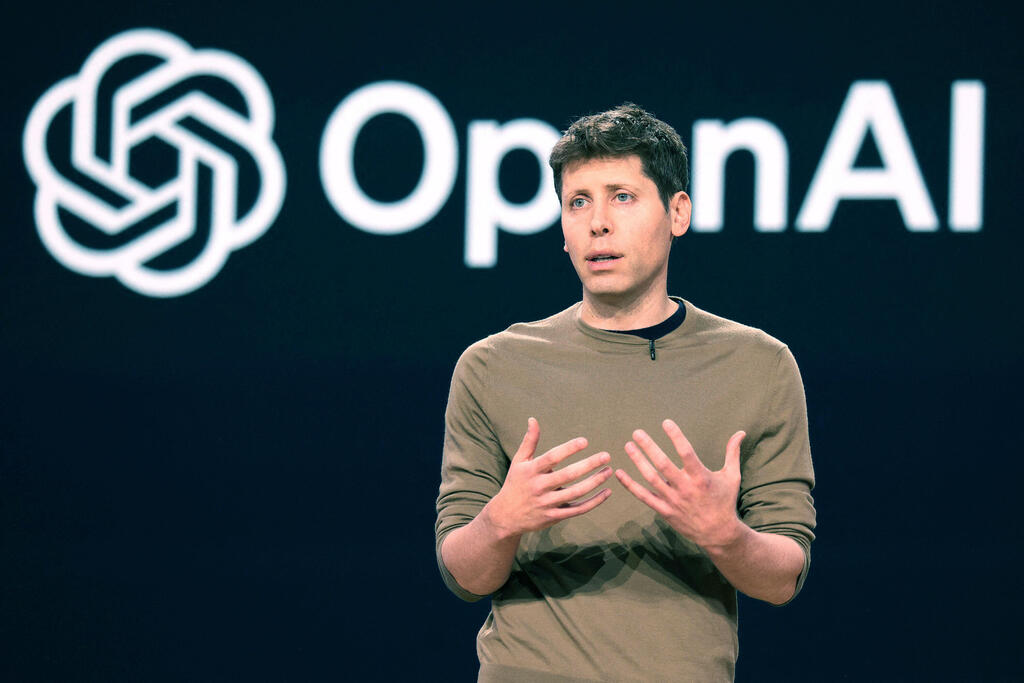
Set to launch in the coming weeks, OpenAI’s browser aims to upend the traditional model of browsing by embedding advanced artificial intelligence directly into the user interface. Instead of clicking through search results and webpages, users will interact with the web through conversational queries, chat-like summaries, and intelligent agents that handle tasks on their behalf—everything from filling out forms to booking appointments.
This move is not just about convenience; it’s about data. If adopted at scale by ChatGPT’s hundreds of millions of weekly users, the browser could give OpenAI access to a treasure trove of behavioral data—one of the foundational assets that’s made Google the ad-tech juggernaut it is today. And with user interactions flowing through an AI layer, OpenAI can begin to collect insights directly from browsing behavior, sidestepping the search bar altogether.
The high-stakes browser battle
This isn’t OpenAI’s first expansion play. The company shook the tech world with ChatGPT in late 2022, then moved into hardware by acquiring an AI device startup from former Apple design legend Jony Ive for a reported $6.5 billion. Now, it’s tackling one of the last bastions of Big Tech dominance: the browser.

Google Chrome, dominant for now
(Photo: Shutterstock)
Chrome currently dominates the global market, serving over 3 billion users and capturing more than two-thirds of browser share. Safari lags far behind with just 16%. Chrome’s strategic value to Google is hard to overstate: it funnels users to Google Search by default and quietly harvests browsing data that powers Alphabet’s multibillion-dollar ad business. It’s so effective that the U.S. Department of Justice recently called for its breakup, citing illegal monopolistic behavior in search.
OpenAI is building its browser on Chromium—the same open-source engine that powers Chrome, Microsoft Edge, and Opera—but it isn’t interested in playing sidekick. Last year, the company poached two senior Google VPs who were part of the original Chrome team. One OpenAI executive even testified that the company would consider acquiring Chrome if antitrust regulators forced Google to sell it. Instead, they chose the bolder route: build their own browser, from the ground up, with full control over user data and interface design.
The rise of AI-native browsing
The OpenAI browser will integrate tools like its “Operator” AI agent to automate digital errands inside the browser—think autofilling tedious forms, navigating complex websites, and summarizing content in real time. Instead of being just a viewing pane for the internet, the browser becomes an active participant.
Get the Ynetnews app on your smartphone: Google Play: https://bit.ly/4eJ37pE | Apple App Store: https://bit.ly/3ZL7iNv
And OpenAI isn’t alone. AI-native browsing is fast becoming the next big tech arms race. Perplexity, an AI-powered search startup, just launched its own browser—Comet—featuring a built-in answer engine and an AI assistant that can manage tabs, summarize emails, and interpret on-screen content. It’s initially rolling out to paying Max subscribers ($200/month) and early invitees. CEO Aravind Srinivas calls Comet “a decisive move in the battle with Google.”

Sam Altman and Jony Ive
(Photo: OpenAI)
Google, too, is watching closely. In recent months, it’s added AI features to Chrome and introduced “AI Mode”—a search product that bears more than a passing resemblance to Perplexity’s offerings.
Déjà vu with smarter weapons
This isn’t the first time we’ve seen a browser war. Microsoft vs. Netscape in the ’90s. Chrome vs. Firefox in the 2000s. Now, in the 2020s, the stakes are even higher—because the browser isn’t just a portal to the internet anymore. It’s becoming the operating layer for AI.
OpenAI’s challenge is steep. But with a growing user base—3 million paying business users on ChatGPT alone—and a vision that blends generative AI with web functionality, the company is betting that people no longer want to just search the internet. They want the internet to work for them.
And that, more than anything, may be what finally breaks Google’s dominance.