

In Israel, small Coca-Cola cans and bottles sourced from the Palestinian Authority, Jordan and Iraq are popping up in convenience stores and kiosks, drawing customers with their nostalgic size and low prices. These 100 ml (3.38 fl oz) and 150 ml (5.07 fl oz) containers, reminiscent of in-flight beverages, are popular for their affordability but their sale raises questions about legality and product differences.
“Israelis always look for cheaper alternatives, even if the taste isn’t always the same,” a Jerusalem resident told Ynet, noting that in East Jerusalem, a 150 ml (5.07 fl oz) can sells for as little as one to one-and-a-half shekels (roughly $0.27-$0.40), compared to five shekels ($1.35) in central Israel.
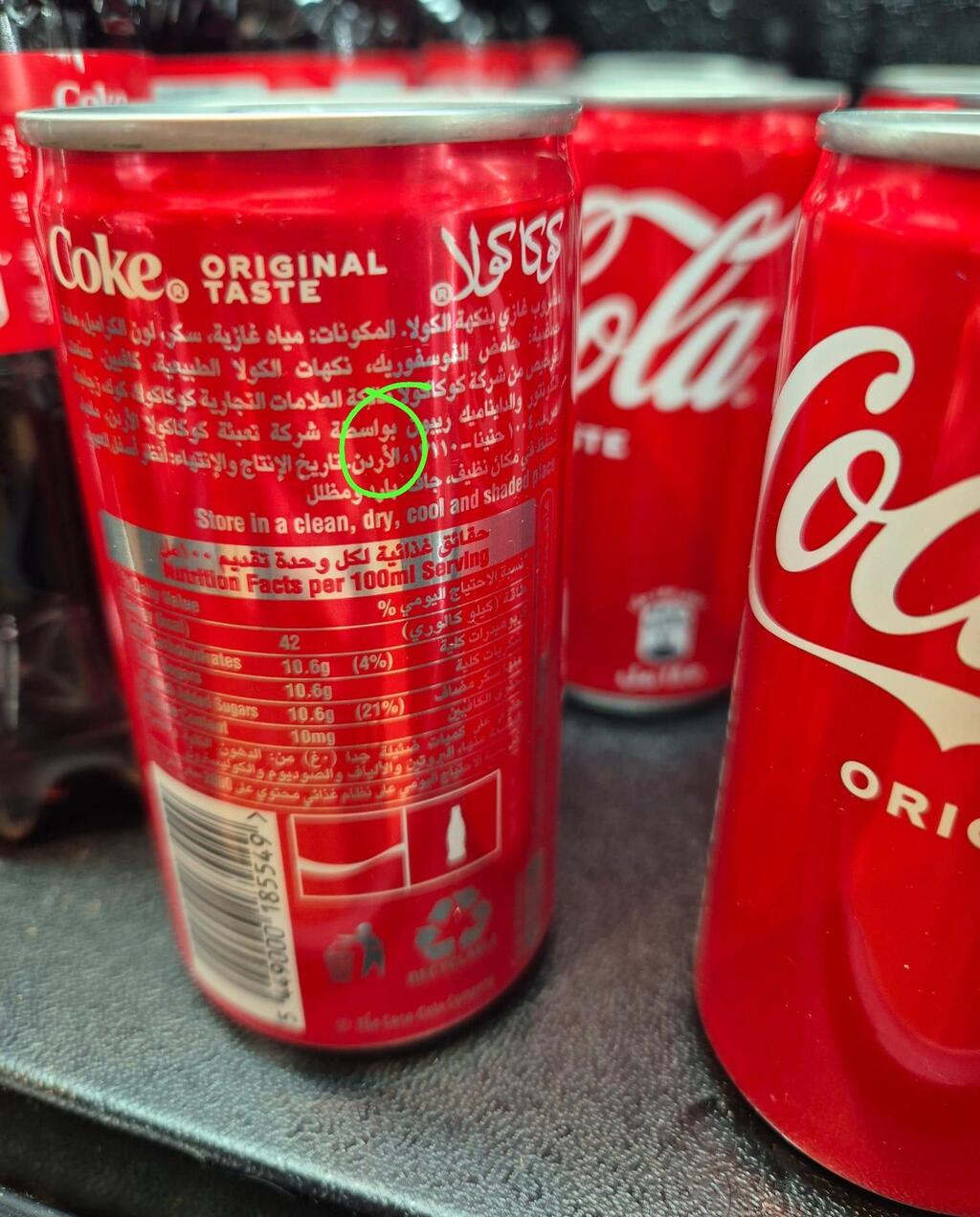
At a Boutique Central branch, Ynet found 100 ml (3.38 fl oz) Coca-Cola Zero and 150 ml (5.07 fl oz) Coca-Cola cans labeled as produced in “Beitunia, Palestine,” alongside Jordanian bottles, sold next to Coca-Cola Israel products. A can from Erbil, Iraq, was spotted in a kiosk.
These items lack Hebrew labeling, authorized importers, kosher certifications or deposit return eligibility, potentially violating Israel’s Consumer Protection Law. “The law prohibits selling goods without Hebrew labeling, including details like manufacturer identity, product name, and quantity," The Consumer Protection and Fair Trade Authority said.
Ingredient differences also raise concerns. A 150 ml (5.07 fl oz) Jordanian can contains soda, sugar, caramel, phosphoric acid, natural flavors and calcium carbonate, while a 100 ml (3.38 fl oz) Iraqi can lists water, caramel oil, sugar, phosphoric acid, sodium benzoate, trisodium citrate and caffeine—some ingredients absent in Coca-Cola Israel’s 330 ml (11.16 fl oz) and 500 ml (16.91 fl oz) products.
Get the Ynetnews app on your smartphone: Google Play: https://bit.ly/4eJ37pE | Apple App Store: https://bit.ly/3ZL7iNv
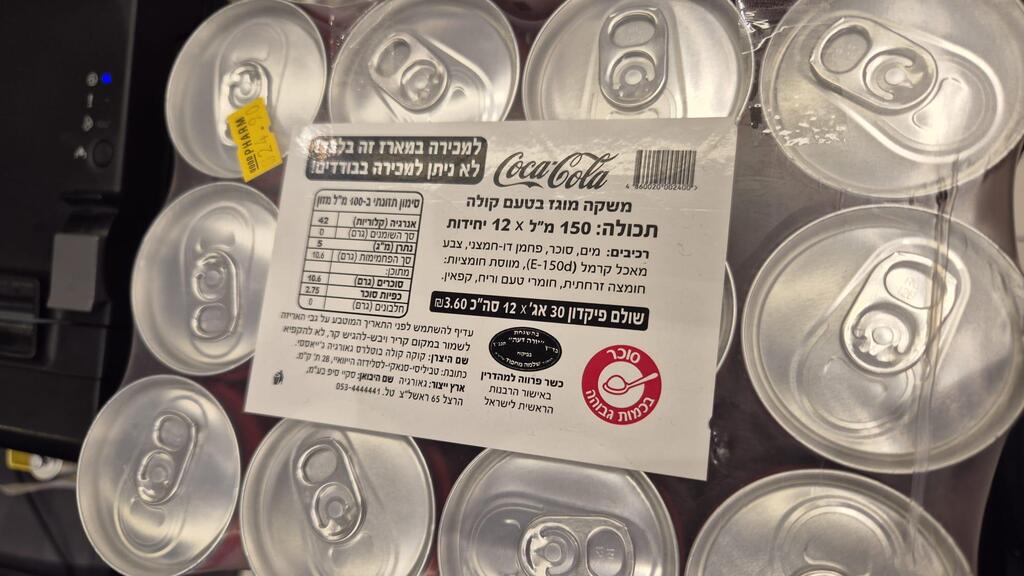
(Photo: Meirav Crystal)
Coca-Cola Israel’s standard cans and bottles retail at 3.90 shekels ($1.05) in stores like Rami Levi, with promotions like three 330 ml (11.16 fl oz) cans for 10.90 shekels ($2.94) at Victory, while prices in restaurants or cooled kiosks can reach 10-12 shekels ($2.70-$3.24). Legal parallel imports, such as a dozen 150 ml (5.07 fl oz) cans from Georgia sold at Good Pharm for 24.90 shekels ($6.71), include Hebrew labels and a 0.30 shekel deposit.
However, a major retail chain told Ynet, “We’re constantly offered Coca-Cola from the Palestinian Authority by wholesalers in Tulkarm and Bethlehem, but we couldn’t secure health approvals.” Boutique Central responded, “This was a private initiative by one franchisee against our policies. The products were removed immediately.”
The influx of these mini cans reflects a broader trend of Israelis seeking budget-friendly options amid rising costs, but the lack of transparency and regulatory compliance raises health and legal concerns.
While the nostalgic appeal and low prices attract buyers, the absence of clear labeling and kosher certifications could deter cautious consumers, leaving retailers and authorities to grapple with the implications of these unregulated imports.