

Ashdod Port Company announced Monday a sweeping infrastructure investment program worth an estimated NIS 1.5 billion, marking a major step in the port's long-term strategic plan to enhance operational efficiency, expand capacity, and reinforce its role as a vital component of Israel’s supply chain.
The initiative includes a wide range of modernization projects, with a focus on transforming existing quays into specialized terminals tailored to different cargo types. This segmentation aims to streamline operations, improve logistics, and position Ashdod Port as a regional leader in sustainable and innovative port operations.
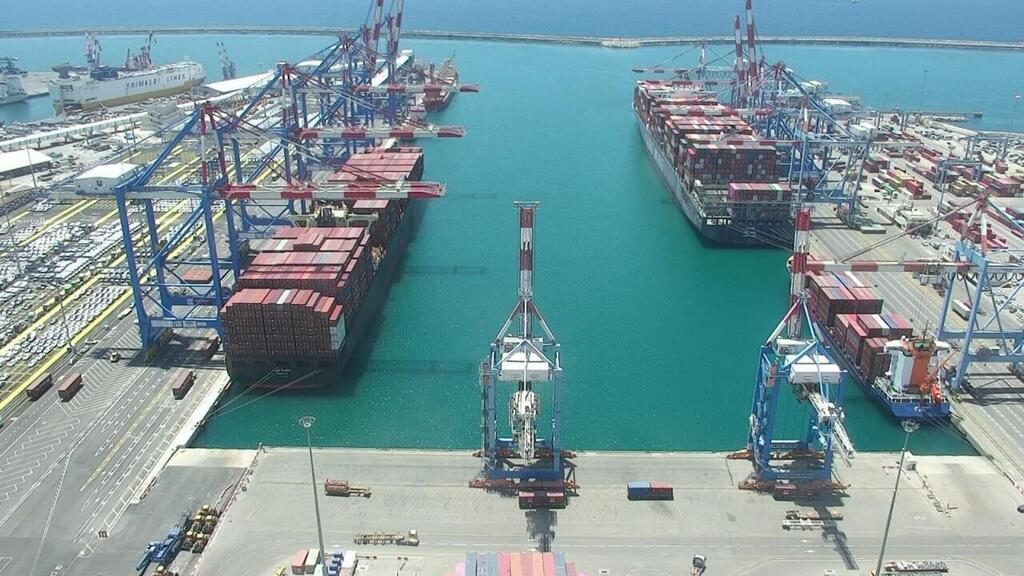
Key components of the investment include: NIS 250 million for 12 electric ERTG cranes, part of a broader plan to purchase 34 cranes by 2030; NIS 180 million for a new dedicated electrical substation, designed to support electric-powered port operations and enhance energy resilience; NIS 100 million to expand the container yard behind Quay 21, adding space for 4,000 additional containers; NIS 120 million for advanced jib cranes to improve handling of general and bulk cargo at Quays 7 and 9; and NIS 500 million for the second phase of the Quay 21 upgrade, including a new container yard, cranes and energy infrastructure
The newly completed switchgear room transforms high-voltage electricity into low-voltage power for port use, while the substation provides reliable electricity for vessels and cranes, supports increased capacity for refrigerated containers and ensures backup power in emergencies.
The upgraded jib cranes, with a 48-meter working radius, will handle bulk, general, and heavy project cargo up to 124 tons. The improvements will enable Quays 7 and 9 to accommodate ships of up to 100,000 tons, significantly boosting the port’s throughput and flexibility.
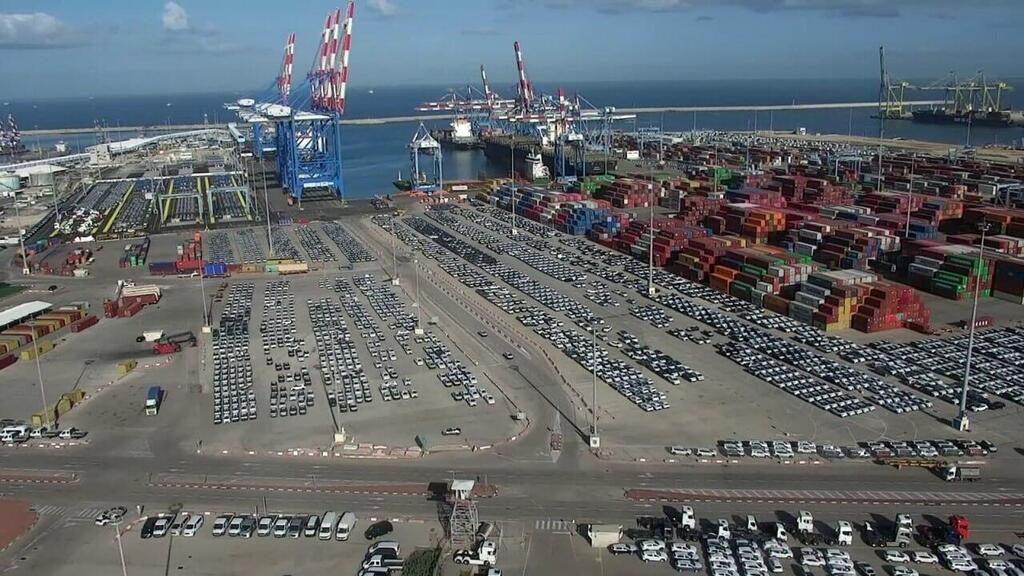
Ashdod Port
(Photo: Courtesy)
Shaul Schneider, chairman of the Ashdod Port board, said the investments are aligned with the company’s long-term vision. "In an era of global uncertainty, Ashdod Port must remain a reliable strategic asset,” he said. “These investments—ranging from electric cranes to energy infrastructure—reflect our commitment to supporting the Israeli economy and leading the region in port innovation.”
CEO Nissan Levy added that the investment program reinforces the port’s ability to operate effectively under all conditions. “Our teams are managing this extensive development while continuing daily operations. These projects ensure our readiness to provide fast, stable service even during emergencies.”