

Can you sit, rest or spend time in a coffee shop without buying anything? Starbucks has delivered a clear answer in China, introducing a new "purchase to sit" policy across its approximately 8,000 stores, ending a longstanding practice that allowed visitors to use seating areas without ordering.
According to the BBC, signs have appeared at branches telling visitors that Starbucks is a commercial space and asking them to make a purchase before taking a seat. The move marks a significant departure from the chain's previous open-seating approach, which allowed people to spend time in its stores without any obligation to buy food or drinks.
Gallery

No coffee, no seat? Starbucks draws the line on customers who don't order
(Photo: Gene J. Puskar / AP)
Starbucks says the change is intended to improve the customer experience while preserving its identity as a "third place," a comfortable environment outside the home and workplace. The company is encouraging reasonable use of seating areas, moderate conversation volumes and consideration for other customers, including avoiding strongly scented takeaway food. However, exceptions will apply to people requiring assistance, including pregnant women and those with mobility difficulties. Delivery workers, people seeking shelter from the rain and security personnel on duty will also be allowed to rest without making a purchase.
Chained chairs, time limits and frustrated customers
Some Starbucks locations have gone further, introducing rules requiring customers to purchase at least one item between 11 a.m. and 6 p.m., while limiting visits to 90 minutes. Several branches that experimented with stricter measures in recent months attracted considerable attention and criticism.
In Sichuan province, one store chained its outdoor chairs together to discourage nonpaying visitors, while another in Nanchong secured its tables. A branch in Xi'an faced criticism after reportedly asking a customer to leave after just one minute. In Shanghai, a woman said employees reminded her five times to place an order during a 90-minute online meeting, leaving her feeling as though she was being driven out.
Despite such complaints, reactions on Chinese social media have been largely supportive. Many users argued that the policy would discourage people from occupying seats for extended periods without ordering or bringing drinks purchased from competing businesses. One commenter welcomed the change, saying it would put an end to people sitting for hours without buying anything while playing games or shouting into their phones.
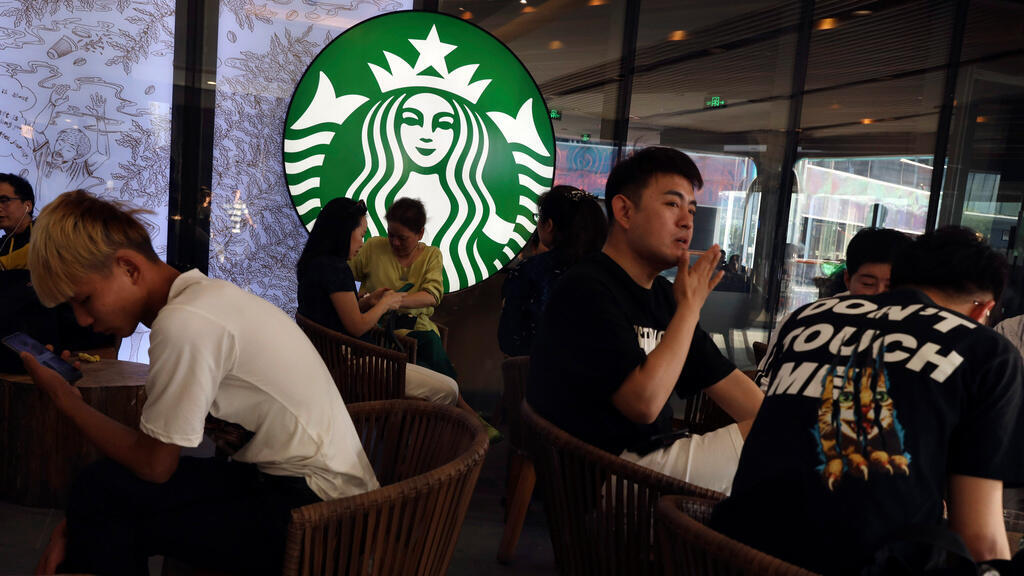
Customers at a Starbucks branch in China, where new seating restrictions have drawn widespread support
(Photo: Ng Han Guan / AP)
Surveys cited in local reports found that approximately 70% of respondents supported the new restrictions. Supporters argued that requiring purchases is a basic business principle that protects paying customers, since rent, electricity and labor costs continue to accumulate whenever someone occupies a seat without contributing to the business. Those expenses, they argued, ultimately fall on customers who do make purchases.
Tang Jiansheng, deputy secretary-general of the Shanghai Consumer Council, said that providing short-term rest facilities should be the responsibility of public services rather than private businesses, suggesting that commercial establishments should not be expected to function as free public waiting areas.
A broader shift in Starbucks' global policy
The changes in China follow similar restrictions introduced by Starbucks in other markets. In January 2025, the company reversed its open-door policy in North America, once again requiring visitors to make purchases to use its facilities.
In South Korea, Starbucks also asked customers to stop bringing bulky equipment such as desktop computers and printers into its stores after reports of people occupying tables with elaborate work setups. The company emphasized that laptops and smaller electronic devices remained welcome.
The developments reflect a growing challenge for Starbucks: balancing its longstanding ambition to serve as a welcoming gathering place with the practical demands of running busy coffee shops. In China, where some visitors have grown accustomed to treating branches as free workspaces or rest areas, the new rules draw a clearer line between a public gathering space and a commercial business.