

Norway's sovereign wealth fund, the world's largest investor of its kind, reported a loss of approximately $29.7 billion in the third quarter of 2026 on Thursday, after a series of controversial decisions to divest from major Israeli companies over their alleged involvement in the West Bank and the war in Gaza.
The $2.3 trillion fund recorded a negative return of 0.5% on its global investments, primarily because rising interest rates reduced the value of its bond holdings. Its management also expressed caution about the broader stock market and some of the world's largest technology companies, particularly amid growing volatility surrounding artificial intelligence.
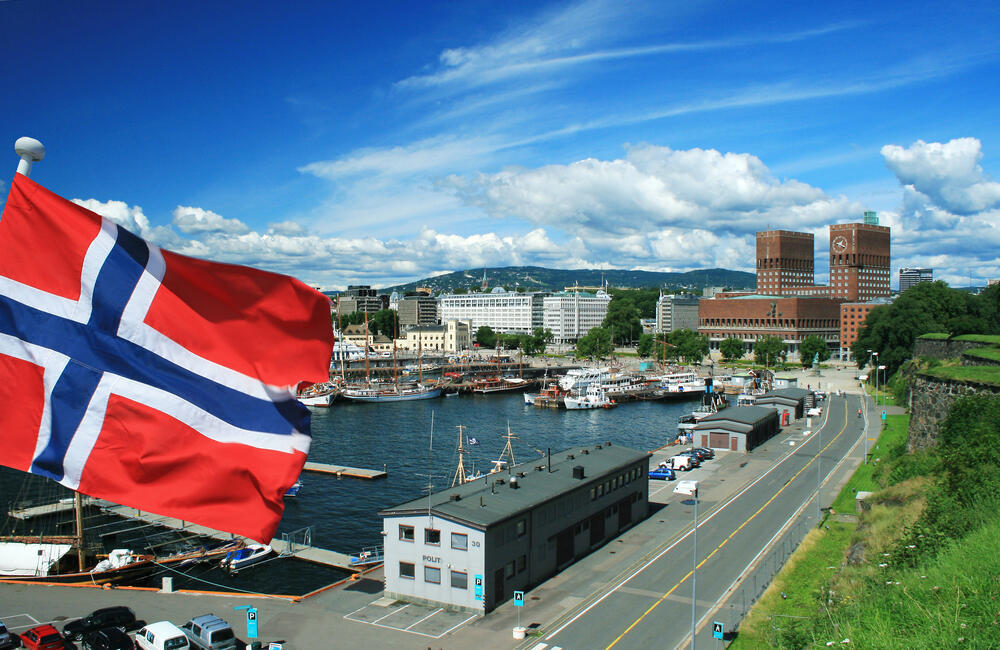
The quarterly results do not indicate that the fund's divestments from Israeli companies caused its losses. Rather, they reflect the impact of global market developments on a portfolio that holds shares in approximately 7,100 companies, along with bonds, real estate and renewable energy projects.
Norway's Government Pension Fund Global, commonly known as the Oil Fund, invests revenues generated by the country's oil and gas production. It owns an average of 1.5% of all publicly listed companies worldwide, making it the largest single investor in global equity markets.
In Israel, however, the fund has become known for a series of investment withdrawals that began during the Gaza war and expanded considerably in 2025.
From Bezeq to Israel's biggest banks
In December 2024, the fund announced it was selling its remaining shares in Israeli telecommunications company Bezeq, arguing that the company provided communications services to settlements in the West Bank.
Earlier that year, the fund had already reduced its stake in Bezeq from 2.2% to 0.76% by the end of June, before deciding to exit the investment entirely.
In May 2025, the fund also sold its holdings in Israeli energy company Paz, citing concerns about infrastructure supplying fuel to West Bank settlements.
The controversy intensified in August 2025, when Norwegian newspaper Aftenposten revealed that the fund had accumulated a stake of approximately 2% in Bet Shemesh Engines during 2023 and 2024. The Israeli company provides services to the IDF, including maintenance of military aircraft engines.
Following the disclosure, the Norwegian government ordered a comprehensive review of the fund's investment portfolio to ensure that companies considered to be contributing to the occupation or the war in Gaza were not included.
Within days, the fund announced that it had sold its holdings in 11 of the 61 Israeli companies in which it had invested and was terminating its relationships with external asset managers responsible for investments in Israel.
Bet Shemesh Engines was the only company initially named, although Norwegian business newspaper E24 subsequently reported that the fund had sold shares in 17 companies since the end of June, including El Al, Delek Automotive and supermarket chain Rami Levy.
A week later, the fund announced the exclusion of another six companies.
Norwegian Finance Minister Jens Stoltenberg stressed at the time that the government's policy was not to liquidate all investments in Israeli companies, but that the fund was required to comply with its ethical investment guidelines.
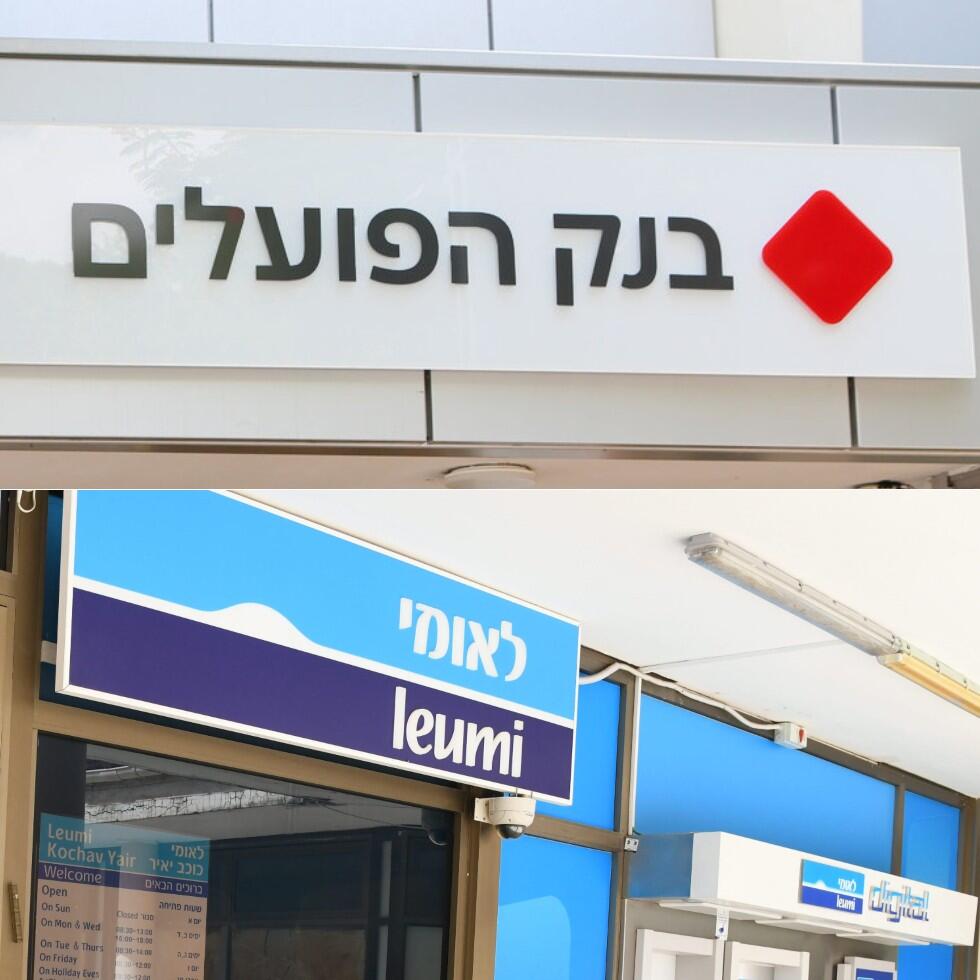
Branches of Bank Leumi and Bank Hapoalim, two of the major Israeli banks from which Norway's wealth fund divested in 2025
(Photo: Yair Sagi and Aviv Gottlieb)
The divestment campaign expanded further in late August 2025, when the fund announced that it had sold its holdings in five major Israeli banking groups: Bank Hapoalim, Bank Leumi, Mizrahi Tefahot, First International Bank of Israel and FIBI Holdings.
The combined value of the banking investments was approximately 2 billion shekels, or $661 million, according to the fund's figures for July 2025.
Norway's Council on Ethics argued that the banks contributed directly to settlement construction through essential financial services. The fund said the investments presented an unacceptable risk of contributing to serious violations of individual rights in situations of war and conflict.
At the same time, the fund excluded U.S. construction equipment manufacturer Caterpillar, whose D9 bulldozers are used by the IDF. Norway's ethics watchdog raised concerns over the use of the company's machinery in Gaza and the West Bank.
That decision sparked a sharp response from Washington. The U.S. State Department said it was deeply troubled by the divestment, arguing that it appeared to rely on baseless allegations against Caterpillar and the Israeli government.
Norway's prime minister responded that the fund operated independently and was not subject to direct government intervention in individual investment decisions.
$30 billion loss as interest rates hit bond investments
Thursday's financial results presented a separate challenge for the fund, with its massive global investment portfolio suffering from rising interest rates and weakening returns in fixed-income markets.
The fund reported a quarterly loss of 278 billion Norwegian kroner, equivalent to approximately $29.7 billion, and a negative investment return of 0.5%.
Its bond holdings, which accounted for 25.8% of the portfolio during the quarter, were particularly affected as higher interest rates reduced the market value of existing fixed-income securities.
The fund's deputy CEO, Trond Grande, said the overall result had been close to flat, with rising interest rates responsible for weaker performance in fixed-income investments.
The fund's equity investments produced a modest positive return of 0.5%, but that was insufficient to offset a 3.5% decline in its bond portfolio, according to the quarterly figures.
The fund also underperformed its benchmark index by 0.18 percentage points.
The benchmark, set by Norway's Finance Ministry, limits the extent to which the fund can deviate from market allocations. Its equity investments are measured against the FTSE Global All Cap Index, restricting how far managers can increase or reduce exposure to individual companies and sectors.
Grande told Reuters that the fund had deliberately maintained slightly lower exposure to equities overall and to some major technology companies, describing the positions as relatively small deviations from the benchmark.
He said the fund had been modestly underweight on certain technology stocks for some time and had no immediate plans to change its positioning.
Technology accounted for approximately 23% of the fund's total holdings as of June 30, illustrating how heavily the world's largest investor remains exposed to a sector increasingly dominated by companies involved in artificial intelligence.
Grande said the fund was satisfied with its current portfolio structure but continued to review its investment decisions, emphasizing that "nothing is carved in stone".
The AI boom and the risk of a market backlash
Beyond the quarterly losses, the fund's management expressed concern about volatility across the rapidly expanding artificial intelligence industry.
Grande pointed to fluctuations affecting a wide range of businesses, from companies developing AI models and operating data centers to electricity suppliers and semiconductor manufacturers.
Those businesses have become increasingly interconnected as the global race to develop artificial intelligence accelerates, with enormous amounts of capital flowing into computing infrastructure, energy production and advanced chip manufacturing.
Grande warned that a backlash against AI, or a technical setback that slowed adoption of the technology, could have significant consequences for equity markets.
He did not, however, characterize the possibility as a systemic threat to the broader financial system.
For the Norwegian fund, the challenge is particularly significant because its vast size and benchmark-driven investment strategy make it difficult to substantially reduce exposure to major technology companies without deviating from the market it is designed to track.
The latest results illustrate how even the world's largest and most diversified investment fund can suffer multibillion-dollar losses during periods of market turbulence.
They also place its controversial withdrawals from Israeli companies alongside a separate debate over investment strategy: how much risk a fund managing more than $2 trillion should accept in global stock markets increasingly shaped by a handful of technology giants.
For now, Norway's fund is maintaining its cautious approach to major technology stocks, while its third-quarter results underscore a more immediate vulnerability: the effect of rising interest rates on a bond portfolio representing more than a quarter of its investments.