

If the average fish could dream, its nightmares would feature a bird of prey called the osprey. It is the Freddy Krueger of aquatic life — appearing without warning, diving and slicing through the water like Poseidon’s trident, spearing fish and snatching them from the depths.
And Osprey is the name Israel has given the Air Force’s new naval helicopter — an aircraft that certainly lives up to the name.
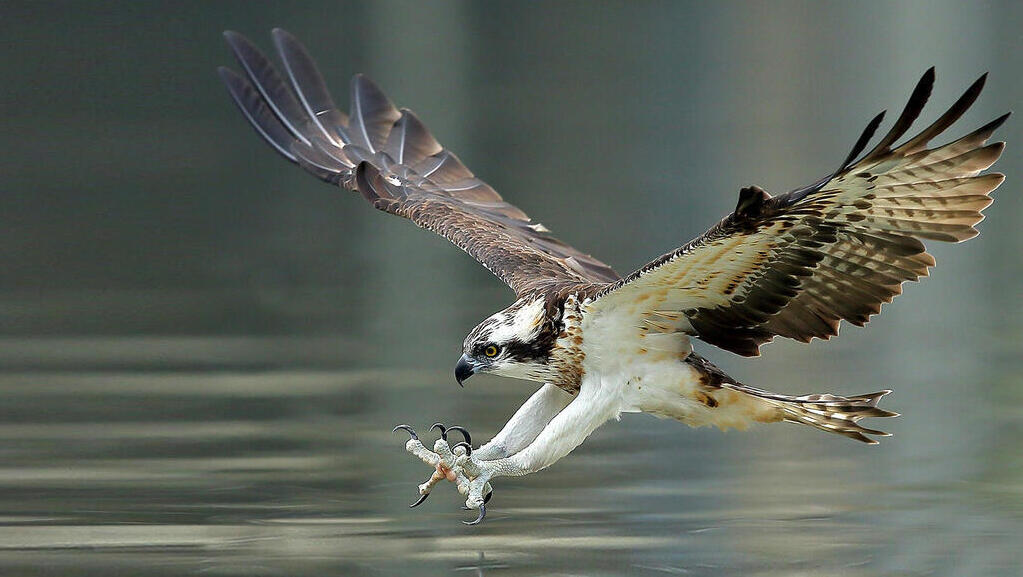
Today we will get to know it and take a look at the world of naval helicopters, highly specialized aircraft capable of doing things no other helicopter can
Originally, the Osprey was known as the SH-60F Ocean Hawk, an improved version of the Seahawk, itself the naval variant of the highly successful Black Hawk.
It will replace the Atalef helicopters in the hangars of Israeli Navy ships and operate with 193 Squadron, “Defenders of the West,” which was reactivated this week. Before taking a closer look at the aircraft itself, it is worth asking why a ship needs its own helicopter in the first place — through the six main missions such an aircraft performs.
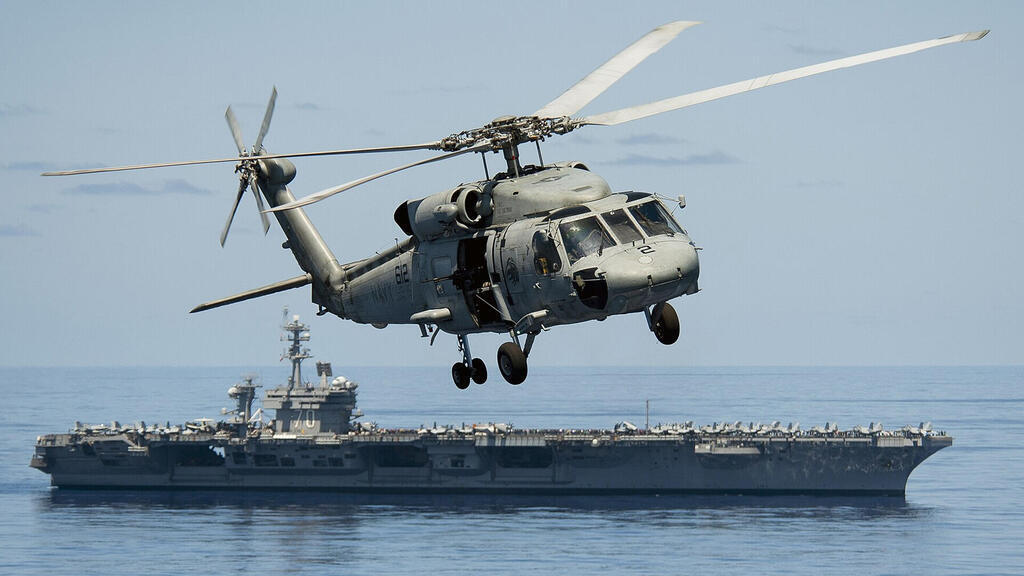
Meet the Osprey helicopter
(Photo: USN)
The first operational naval helicopter was Nazi Germany’s Flettner Fl 282 Kolibri, which entered service in 1942 and operated from ships in the Mediterranean and Baltic seas, mainly on an experimental basis. It was still a very immature aircraft, with mechanical limitations that became apparent during operations.
It was designed as a means of communication between ships and as a pair of eyes in the sky, spotting threats for the German Navy such as submarine periscopes or floating mines, as well as targets such as supply convoys.
It was also designed to provide artillery spotting and fire control: Once a target was located, the helicopter pilot could help direct artillery fire until the shells hit their mark.
In practice, that did not work particularly well, but the basic concept was sound. To this day, a fundamental mission of naval helicopters is locating and investigating targets that the ship itself cannot see and identifying dangers ahead of the fleet.
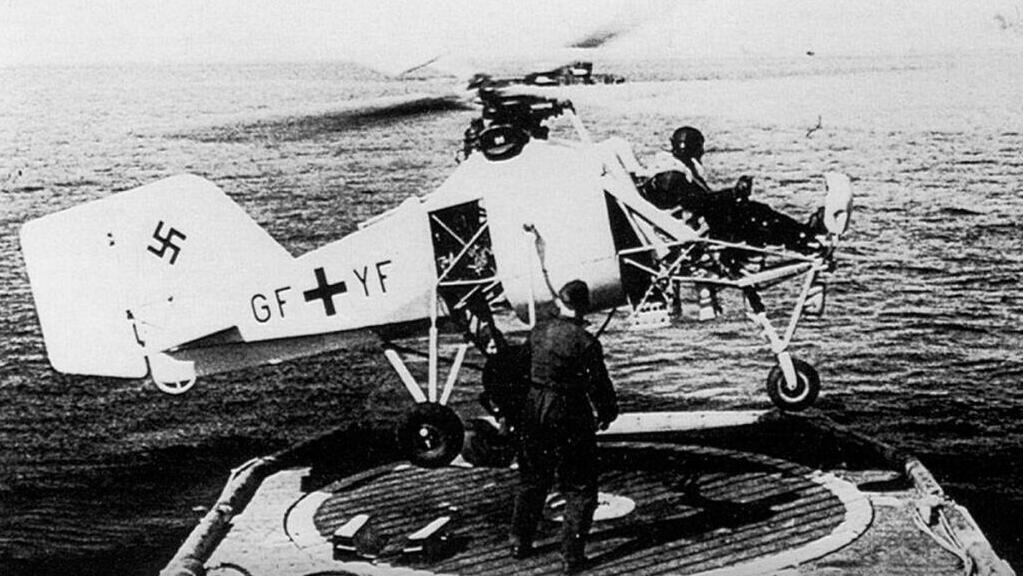
A German Flettner helicopter takes off from a rear deck
(Photo: War Book)
Surveillance is carried out using advanced cameras with night-vision capability, various types of radar and the human eye. There are things a helicopter crew can still spot through binoculars.
Some naval helicopters have been fitted with exceptionally large antennas to provide an early-warning picture for a naval task force. Russia’s Kamov Ka-31, for example, carries an antenna almost as large as the helicopter itself.
Maritime surveillance is also performed by large unmanned aircraft such as the MQ-4C Triton and by large patrol aircraft, but those platforms are not carried aboard the ships they support. Their availability to a small naval force is limited.
A vessel as small as a missile boat, however, can already carry its own helicopter — effectively giving it a dedicated airborne bodyguard.
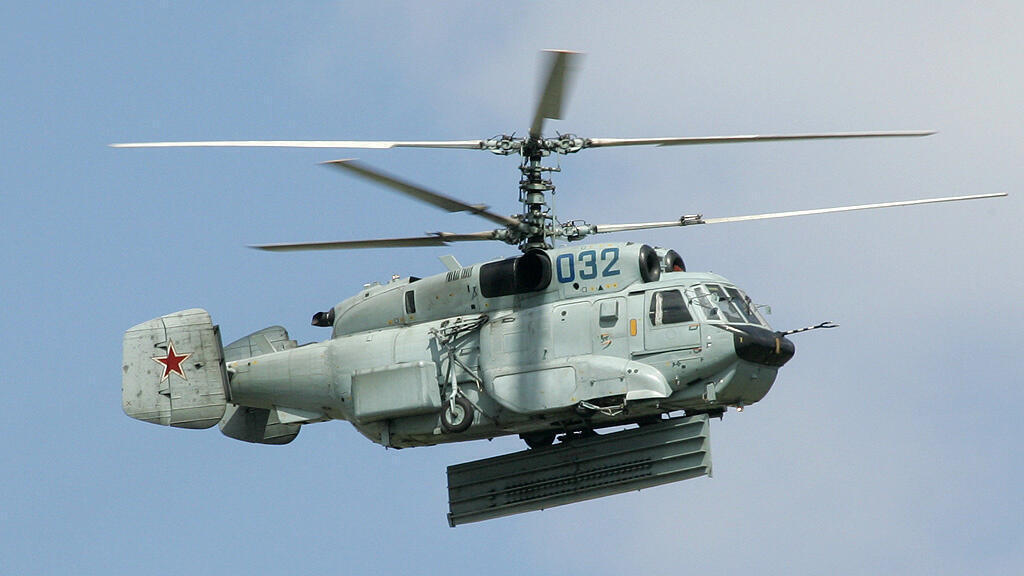
A Kamov Ka-31 helicopter and the large antenna beneath its fuselage
(Photo: Dmitriy Pichugin, airliners.net)
The second mission of naval helicopters is anti-submarine warfare, and it is their most complicated task because hunting a submarine is a serious headache.
Submarines are extremely difficult to detect and track, particularly in the open sea. The principal tool is sonar, a sensor that transmits sound waves, analyzes their echoes and listens for underwater noise.
Fail to detect the submarine in time and it may be able to destroy a ship with a single torpedo, potentially derailing an entire naval operation.
To locate submarine ambushes, a naval helicopter can fly 50 to 150 kilometers ahead of the fleet, deploying sonobuoys and underwater microphones and lowering a sensor into the water on a cable.
Suspicious returns are investigated using a combination of sophisticated systems and good old-fashioned human judgment, and anything identified as a submarine can receive a special delivery of depth charges.
Without helicopters to expose threats like these, navies have little chance of operating safely in hostile waters.
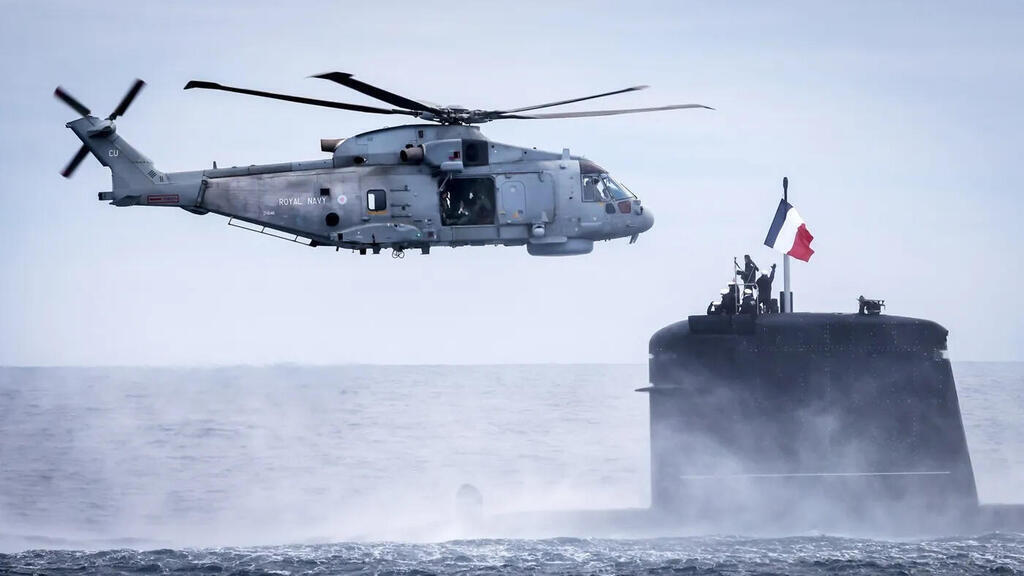
A British Merlin helicopter and a French submarine meet during an exercise
(Photo: mod.uk)
The third mission is full-scale naval combat. The helicopter does not merely find targets; it attacks them as well.
Take the British Navy’s Wildcat helicopter, which can carry as many as 20 lightweight Martlet missiles capable of blasting a small boat out of the water. American Ocean Hawk and Seahawk helicopters have used Hellfire missiles to disable engine rooms on vessels in the Strait of Hormuz.
Dedicated naval helicopters can also launch torpedoes capable of turning any ship into a submarine.
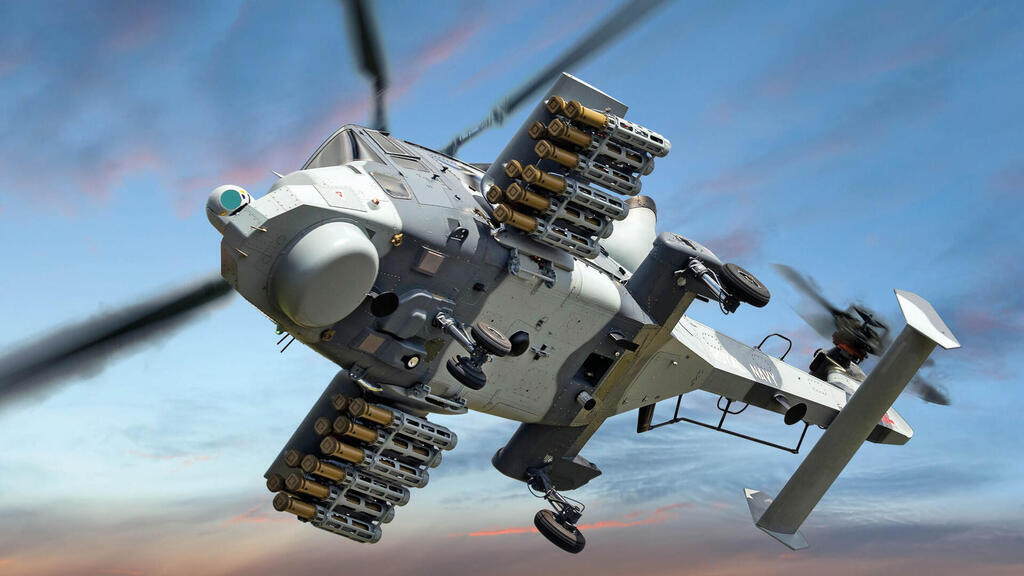
A British Wildcat carrying 20 Martlet missiles
(Photo: Leonardo)
Another important weapon is the door-mounted machine gun. Sometimes the objective is to intercept and stop a small vessel rather than sink it, and heavy machine guns are an effective way to do that.
Smugglers, pirates and enemy sailors who prefer to stay alive will often stop and turn around when a stream of bullets passes overhead.
A naval helicopter therefore has to be highly flexible in its weapons configuration. Crews sometimes take off without knowing exactly what they will encounter, and it is not unusual to see U.S. Navy helicopters carrying a mix of missiles, machine guns and other ordnance.
The fourth mission is surface raids. These helicopters are often the regular ride of naval commando units and must fly from the sea to insert combat teams wherever they are needed, sometimes deep inside enemy territory.
In such a scenario, the naval helicopter may also face all the challenges of land warfare, from shoulder-fired missiles to terrain restrictions.
The fifth mission is electronic warfare. Because helicopters are such flexible platforms, some naval variants can be equipped to jam coastal radars and shipborne systems. They can even collect signals intelligence and locate enemy transmitters.
The sixth mission is the most varied: rescue and logistical transport. If a sailor aboard ship is wounded in combat or during an exercise, wakes up with a dangerous illness or somehow gets rabies from a seal, no problem: A naval helicopter can evacuate the casualty immediately by air.
Such helicopters are equipped with winches and lifting systems capable of raising people and equipment from a ship’s deck or directly from the sea, allowing them to operate even where there is no suitable landing area.
A substantial part of the routine work performed by naval helicopters involves moving supplies — ammunition, food, equipment and spare parts — allowing fleets to remain operational far from a friendly base.
The NH90 used by the Italian, German and French navies, for example, can carry an external load of more than four tons.
Naval helicopters are effectively the fastest lifeline between a ship and the shore.
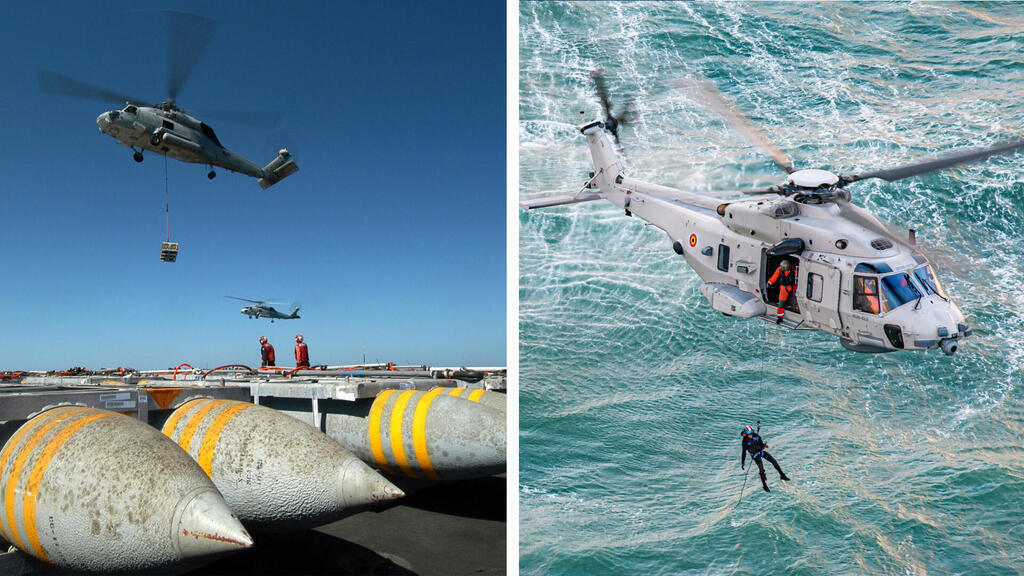
From right: An NH90 during a rescue exercise, a Seahawk delivers ammunition crates to an aircraft carrier
(Photo: USN SAR)
So we have seen just how essential a naval helicopter can be to the ship carrying it. But what distinguishes it from an ordinary helicopter?
It is like comparing an elite infantry soldier with a naval commando. The latter must be capable of everything required in combat on land while also handling all the complications of fighting at sea.
A naval helicopter must carry specialized navigation, guidance and detection equipment, dedicated systems for securing it to the deck and powerful generators for its sensors. Every inch of the aircraft must be protected against salt damage and strong winds.
Its landing gear is reinforced so it can touch down on a pitching deck without breaking.
And finally, a naval helicopter must take up as little space as possible. Its rotor blades fold easily and its tail is hinged — all so it can fit inside a ship’s hangar.
Israel has operated dedicated naval helicopters since the mid-1980s, beginning with the French Dauphin, which was small enough to fit inside the hangar of Sa’ar 4.5 missile boats and was used mainly for patrol and rescue missions.
In 1996, it was replaced by the Panther, known in Israel as the Atalef, or Bat — a more powerful, agile and advanced model that still retained compact dimensions.
Now comes the Osprey, which is more or less the opposite: large, heavy and roughly twice as powerful as its predecessors, with the ability to carry far more equipment and personnel — useful, for example, if Israel wants to land a commando force on a flotilla or on a terrorist’s balcony.
It also carries an array of sensors and weapons systems that we will not discuss here, so as not to spoil the surprise for the enemy.
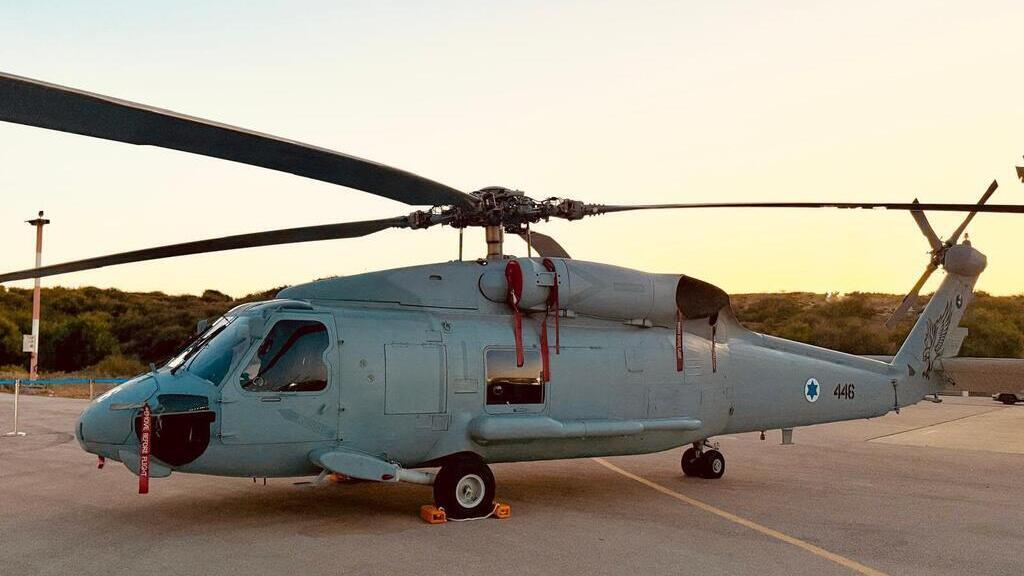
The IDF’s Osprey helicopter
(Photo: IDF Spokesperson’s Unit)
Why choose such a large helicopter rather than something more compact, such as the British Navy’s Wildcat? There are three reasons.
The first is that Israel’s ships have grown. The Sa’ar 5 and Sa’ar 6 are corvettes, with more room aboard.
The second is that naval warfare missions have become more complex and require an aircraft capable of carrying more sensors and weapons.
And the third is simply the reality of procurement: The Ocean Hawk is an American helicopter, and Israel buys what the United States allows it to buy.
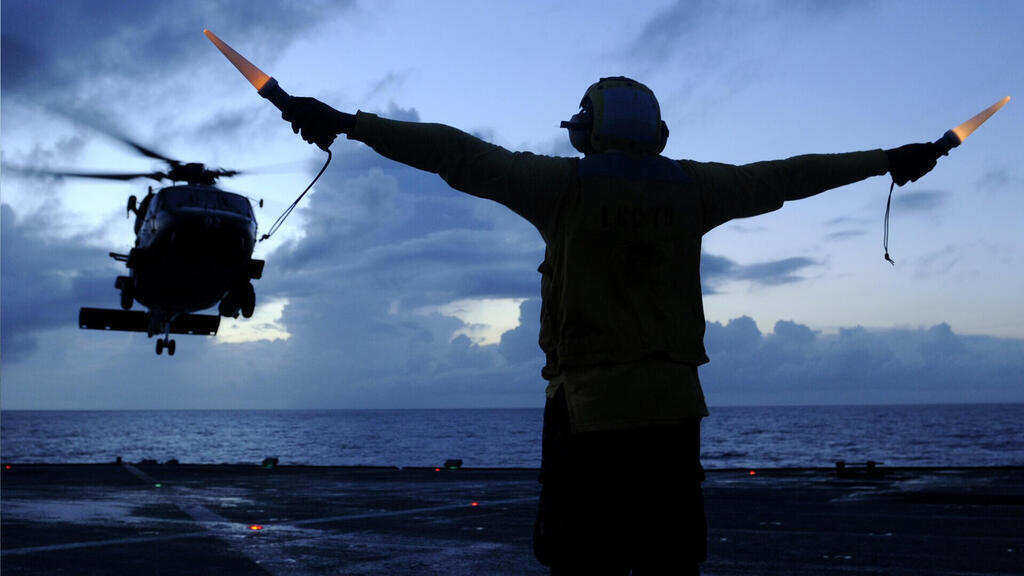
An Ocean Hawk lands on a U.S. ship
(Photo: USN)
In practical terms, it is a good choice. These helicopters are going to work very hard as airborne hunters and will also save lives. It is a good thing Israel is improving its response to threats from the sea at a time when terrorist armies around the region are investing heavily in naval commando forces.