

The office market has gone through a major transformation in recent years. Since “coworking spaces” became a thing back in 1999, the concept has grown from a niche solution for startups into a serious player in commercial real estate.
What started as a way for small businesses to share space is now a go-to option for big corporations and global enterprises, thanks to its flexibility, cost-efficiency and sustainability. Traditional office setups, once considered the gold standard, are starting to lose their shine.
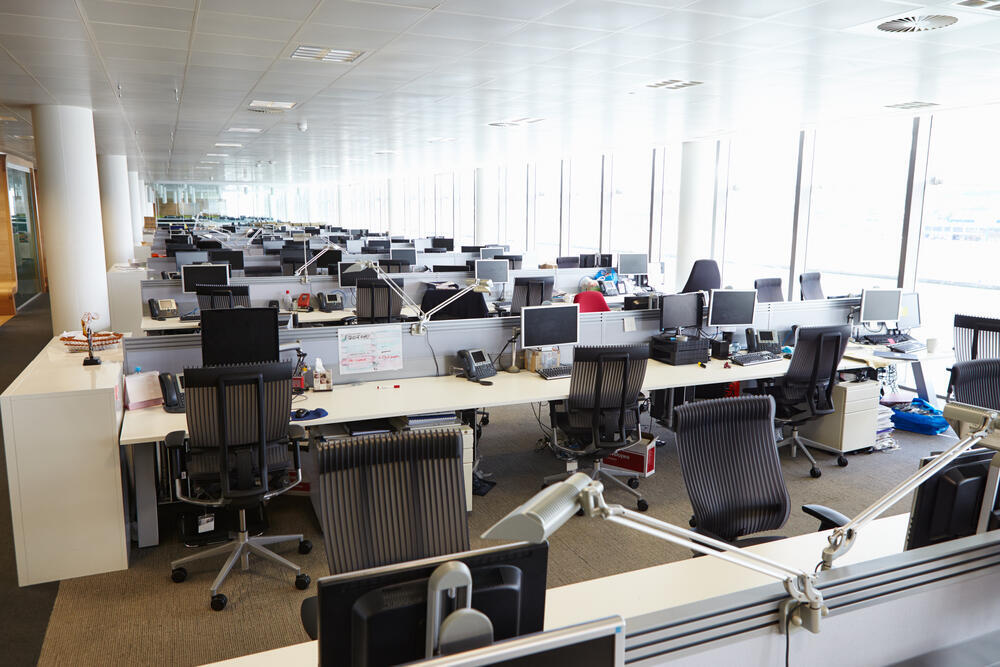
In Israel’s fast-changing reality, the traditional lease model is feeling the strain. Over the past few years, we’ve seen it all: the COVID-19 pandemic, repeated military escalations and ongoing security challenges like the Iron Swords War and rising tensions with Iran. In this climate of uncertainty, signing a long-term lease can feel more like a liability than an asset. On top of that, conventional office buildings struggle to keep up with shifting business needs.
Against this backdrop, flexible workspaces have emerged as a smart, strategic choice. The sector has grown rapidly in recent years, fueled by changes in how companies are managed and by employees’ demand for personalized, adaptable environments. More and more large organizations are making flexible spaces part of their long-term strategy.
The payoff is real: research shows companies that adopt flexible office models can cut operating costs by around 25%, mainly by reducing the space they rent and sharing services with other tenants.
The financial advantages are clear - but the human benefits are just as powerful. According to CBRE, well-designed work environments that cater to employees’ well-being and work styles can boost productivity by 10–20%. They also help reduce staff turnover, which directly impacts the bottom line.

(Photo: Shutterstock)
Flexible offices with advanced infrastructure and an inclusive approach (think diversity, equity and accessibility) create stronger employee loyalty and cut absenteeism. Offering a variety of work settings — collaborative zones, modular meeting rooms and quiet spaces — helps teams feel more engaged, motivated and connected.
What used to be dismissed as a passing fad has evolved into a long-term growth model. Businesses are realizing that staying lean and focused on their core mission is easier when they aren’t tied down by rigid, multi-year leases.
We’re now seeing major players from finance to defense tech to cybersecurity — moving into flexible offices. And they’re not just taking a couple of desks; many are leasing entire floors. They’re counting on flexibility to adapt quickly to business changes, whether it’s a new layout, HR support or fostering an internal community. In today’s environment, the ability to scale up or down is a must-have, not a nice-to-have.
JLL predicts that by 2030, flexible workspaces will make up about 30% of the entire office market, a big structural shift driven by the need for agility, cost control and responsiveness.
 Mindspace Israel General Manager Keren Shem-Tov Segal Photo: Courtesy
More than that, companies are finding that flexible workspaces give them a competitive edge in attracting and keeping top talent. They’re better positioned to face uncertainty and move fast in an ever-changing world.
The takeaway? Flexible workspaces aren’t just an alternative to traditional offices — they’re a smarter way to work in a market where adaptability is everything. Businesses that embrace this shift are not only future-proofing their operations as a one-stop shop under the same umbrella, but they’re also giving themselves room to grow, innovate and thrive. Those who don’t risk getting left behind.
- Keren Shem-Tov Segal is the general manager of Mindspace Israel