

A struggling economy, rising inflation, high unemployment and the growing difficulty of making ends meet are pushing record numbers of New Zealanders to move to neighboring Australia, especially students and young adults.
Nearly 75,000 people left New Zealand last year, and 58% of them headed to Australia. There, New Zealand citizens are allowed to live and work freely, and they find far more job opportunities. Most importantly, wages are significantly higher, often allowing them to live comfortably and even put money aside at the end of the month.

Last month, the trend received a particularly symbolic and painful reminder of New Zealand’s economic woes. Media reports said former prime minister Jacinda Ardern was spotted with her partner and their daughter looking for homes in Sydney’s affluent northern beach suburbs. Like many of her fellow Kiwis, she appears to have decided to move the center of her life, work and future to Australia.
The economic gap between the two countries is evident in their GDP per capita figures. In Australia, GDP per capita stands at about $64,400, compared with roughly $48,000 in New Zealand. Those differences are fueling a steady wave of migration, often in a chain pattern, with one family member moving first and others soon following.
Many New Zealanders complain not only about limited job opportunities, lower salaries and a severe housing crisis, but also about the need to work multiple temporary jobs or long hours to cover monthly expenses. Average wages in New Zealand are estimated to be 26% to 44% lower than in Australia.

Former New Zealand prime minister Jacinda Ardern
(Photo: Andrew Matthews, Pool via AP)
The housing crisis has become a central political and social issue in New Zealand, and was one of the pressures Ardern cited when she stepped down as prime minister, saying she no longer had “enough in the tank.”
For many people who have left in recent years, the cost of the economic slowdown is not just financial or personal. They say it is also reshaping the national atmosphere. In the country’s largest cities, some argue, the vibrant metropolitan energy that once drew ambitious young people is fading. Many arrive, struggle and eventually relocate to Australia.
No longer just young backpackers
New Zealanders are welcome in Australia. The two countries share language, culture and close historical ties, making the transition relatively smooth. Many migrants integrate quickly into Australia’s workforce, communities and tax system.
New Zealand workers also match many of Australia’s labor needs. Employers are looking for staff across hospitality, tourism, health care, elder care, technology, finance, nursing and construction. Even policing and corrections services are recruiting workers from New Zealand. Most migrants are educated and trained professionals, raising concerns about a growing brain drain from New Zealand.
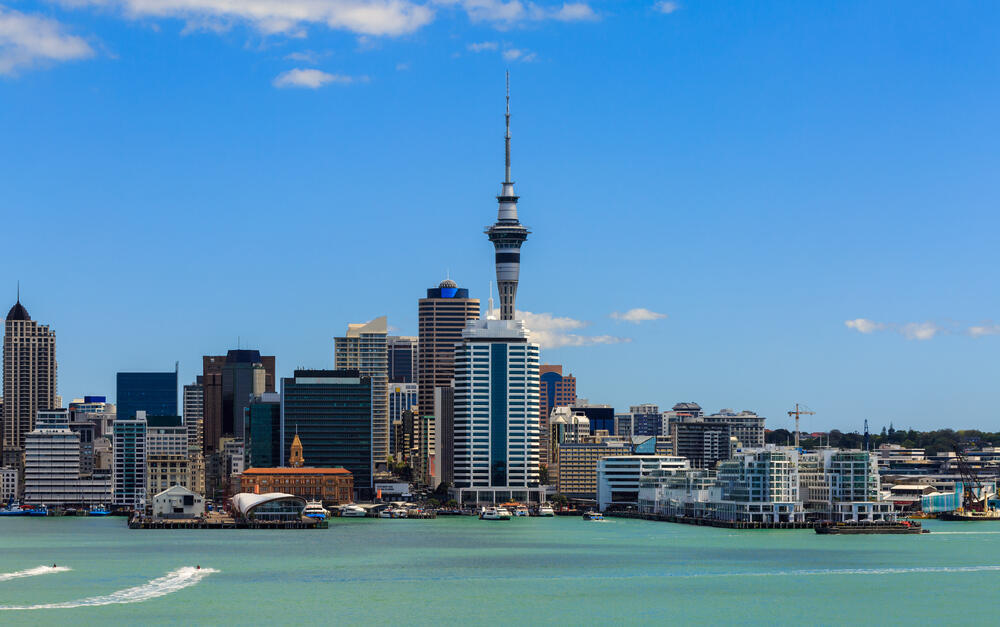
Auckland, New Zealand
(Photo: Shutterstock)
The migration flow, however, is largely one-way. A growing number of New Zealanders who move to Australia say they do not expect to return anytime soon, given gloomy economic forecasts back home. Family members often follow, and slowly enclaves of Kiwi expatriates form in major Australian cities.
“New Zealand is a beautiful country, and there are many things I miss about it,” one young migrant told the BBC. “But beautiful scenery couldn’t pay my rent.”
Demographers warn that the trend could reshape New Zealand’s population and economy. Birth rates are already declining and the population is aging. Continued outward migration could accelerate economic slowdown, particularly in less populated regions.
Young adults between 20 and 29 still make up the largest group leaving, traditionally backpackers traveling to Australia for extended stays. But in recent years, the number of migrants aged 30 to 39 has risen sharply, many of them couples with children relocating permanently (about half of New Zealanders moving to Australia are aged 20–39).

Auckland, New Zealand
(Photo: Shutterstock)
Another age group that has seen a significant rise in migration to Australia is retirees. Their children often follow, wanting their own children to grow up close to their grandparents, and end up relocating to Australia as well.
Despite tighter visa policies for foreign workers, New Zealand still recorded a small net positive migration rate, about 14,200 in 2025, the lowest since 2013. However, most new migrants settle in major cities, leaving smaller towns increasingly depopulated. In some remote communities, up to 70% of residents have left, turning once-busy towns into near ghost towns with shuttered shops and empty streets.
Australia continues to lure Kiwi workers with stronger economic prospects. Youth unemployment in Australia is significantly lower, about 9.5% compared with 13.2% in New Zealand, while Australia’s much larger economy offers jobs across a wide range of sectors and faster career advancement.
For Australia, New Zealand’s economic troubles have become an opportunity. Recruitment campaigns actively target New Zealand workers, and some Australian companies offer relocation packages to attract them.
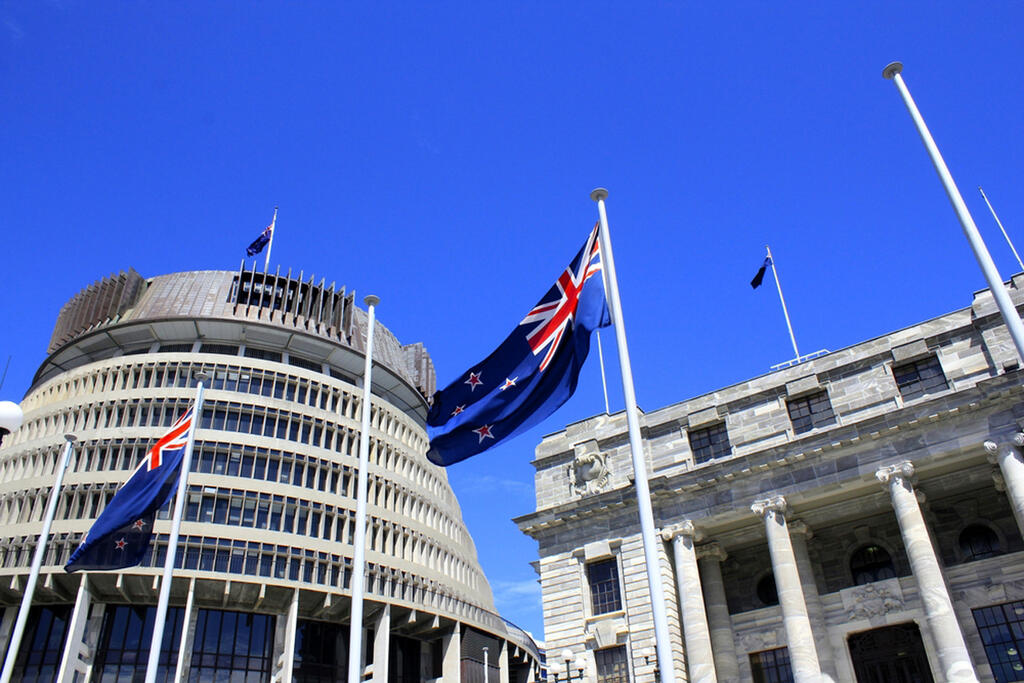
The Parliament House in Wellington
(Photo: Shutterstock)
When roughly 200 people leave a country the size of New Zealand every day, more than half of them for Australia, it becomes more than a statistic. Each departure carries a personal story: families divided, loyalty to a beloved rugby team while living in its fiercest rival’s country, and the emotional cost of leaving behind community and familiar surroundings in exchange for a larger apartment at the same price and the promise of a better future for their children.
The emotional toll is often mixed with guilt, the uneasy feeling of abandoning a struggling homeland instead of helping rebuild it. But when the face of that exodus appears to include the former prime minister, once celebrated as a symbol of national pride, the migration trend takes on a deeper and more poignant meaning.