

The Strait of Hormuz has dominated global headlines in recent years, mainly due to Iranian threats to disrupt one of the world’s most important shipping and trade routes. But behind the geopolitical spotlight, it is also home to Iranian civilians living on small islands scattered along the maritime passage.
Some of these residents arrived in recent years, drawn by a growing tourism industry before the war, while others have simply tried to maintain a quiet daily life on the edge of one of the world’s most sensitive waterways.
Gallery
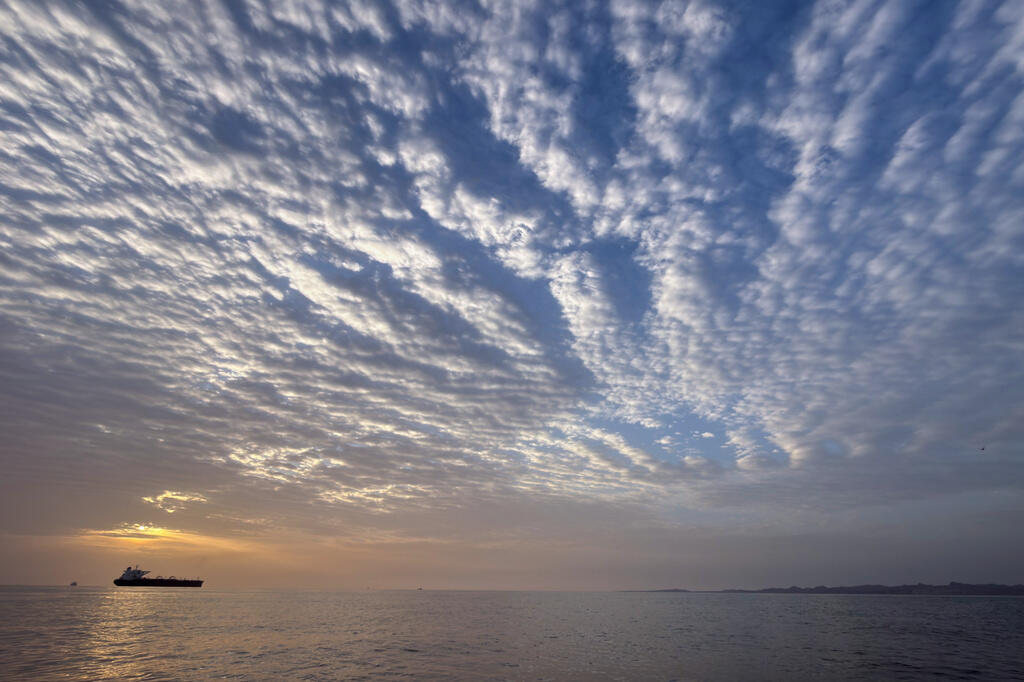
A view of the Strait of Hormuz from the Iranian island of Qeshm
(Photo: Asghar Besharati / AP)
One of the largest of these islands is Qeshm, home to an estimated 150,000 people. Speaking to Bloomberg, Ali, a hotel owner on the island, described how the recent escalation has affected him personally.
“The attacks in the area left me nervous,” he said. “But I still prefer being here rather than back in Tehran.”
Ali is among hundreds of Tehran residents who in recent years turned Qeshm into a second home. The island, the largest in the Persian Gulf and located at the northeastern edge of the Strait of Hormuz, became a domestic tourism hub, particularly after sanctions on Iran’s economy were tightened under U.S. President Donald Trump in 2018.
With overseas travel increasingly unaffordable for Iran’s middle class, domestic destinations such as northern coastal resorts and island regions saw rising demand. Young, educated Iranians with stable incomes began relocating temporarily or regularly visiting places like Qeshm in search of a quieter lifestyle.
Most of the island’s residents belong to Iran’s Sunni minority. Their livelihoods are closely tied to the strait, including fishing, maritime transport, informal trade and smuggling. While some traditional residents have been skeptical of expanding tourism, others embraced it as a new economic opportunity.
“It is important to create the right environment for tourism. It has to happen here,” said Mohammad, one of the local residents.
‘Everything collapsed’
Before the oil era, the Strait of Hormuz functioned as a major trade corridor for spices, textiles, pearls and cultural exchange, connecting Iranian coastal communities with Gulf cities such as Dubai, Sharjah and Muscat, Mohammad told Bloomberg.
According to residents, that centuries-old system has been severely disrupted by repeated cycles of war and regional instability, which have hit island and port communities especially hard.
Ali said he moved to Qeshm in search of a quieter environment as political tensions and domestic unrest in Iran intensified. When he opened his hotel, he received bookings from urban Iranians and expatriates, including Iranians living in the United States.
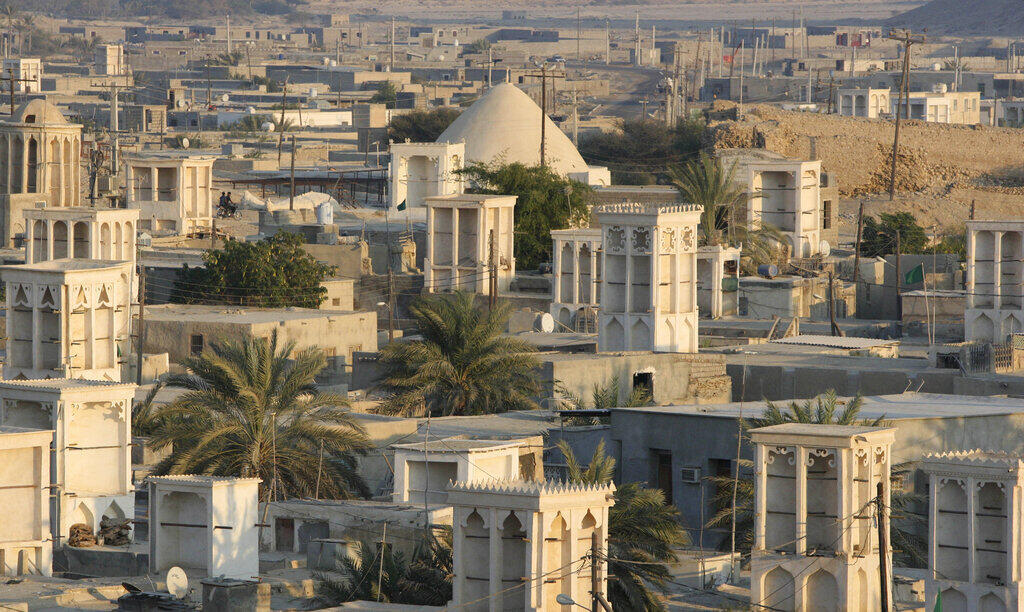
The Iranian island of Qeshm. Until the war, it had a thriving tourism industry
(Photo: Vahid Salemi / AP)
He recalled that a wealthy family once flew in by private jet from Dubai. For several years, he said, his hotel was fully booked.
“It became very fashionable in recent years, and locals were happy because it created jobs,” Ali said. “Now everything has collapsed. It has been destroyed.”
He said his income has dried up, forcing him to sell his car and rely on savings to maintain his home and hotel. Many others on the island, he added, are in similar situations, particularly those dependent on tourism and maritime activity.
Traders and smugglers, he said, have also become more cautious due to fears of being targeted by U.S. military strikes in the region.
The war reshaping Hormuz
By mid-2026, the Strait of Hormuz had become closely associated with a wider regional war that has disrupted daily life in Iran and across the Gulf states allied with the United States.
Iranian officials have said thousands were killed in U.S.-Israeli airstrikes during the conflict. In Minab, near the eastern coastline of the strait and about 40 minutes by road and ferry from Qeshm, an elementary school was destroyed on the first day of the war, killing 120 children, according to Iranian authorities. The United States has not confirmed responsibility for the strike.
The war also revived historical memories in Iran, including the 1988 downing of Iran Air Flight 655 by a U.S. Navy missile, which killed 290 people after the aircraft crashed into waters near Qeshm.
For island residents, these events have reinforced a sense that the Strait of Hormuz is not only a global shipping chokepoint but also a highly sensitive and dangerous frontline.
Despite the turmoil, some locals continue to view the strait as a shared regional space. “It is a very closed, intimate stretch of sea,” Ali said. “It is small, and people here believe it belongs to Iran and Oman, and that a toll should be collected here. That makes sense to people.”
No shipping tolls or transit fees were included in the final draft of the relevant understanding, but Iran and Oman have said they will independently explore mechanisms for regulating maritime traffic in the strait, despite broad opposition from Western countries.