

The Tel Aviv Stock Exchange marked a historic shift on Sunday, holding its final trading session on a Sunday after 72 years, as it prepares to adopt a new trading week aligned with global markets.
Beginning next week, the Tel Aviv Stock Exchange will move from its long-standing Sunday-to-Thursday schedule to a Monday-to-Friday trading week. The change brings Israel’s financial markets in line with most major exchanges worldwide, which operate Monday through Friday.
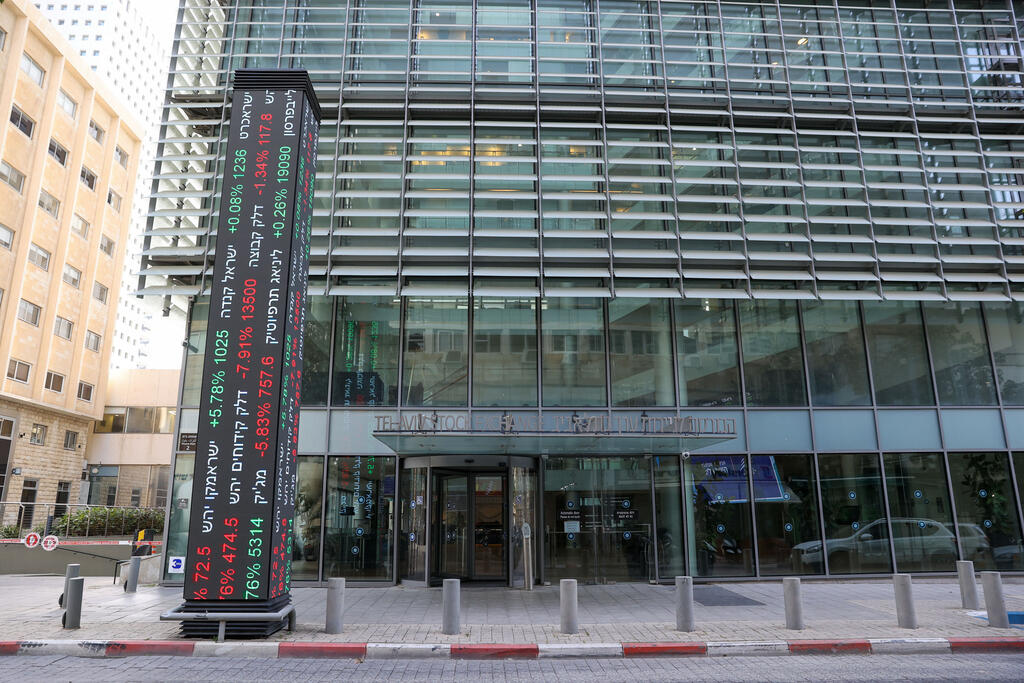
What led exchange officials to make the decision, who will be affected and who opposed the move? ynet breaks it down.
What exactly is changing?
The Tel Aviv Stock Exchange will shift from trading Sunday through Thursday to a Monday-through-Friday schedule. The move marks a historic change: for years, Israel’s exchange was one of the few worldwide to trade on Sundays and not on Fridays. This stemmed from a decades-old arrangement rooted in Israel’s unique workweek, where Sunday is traditionally a business day and Friday and Saturday mark the Jewish weekend, with Saturday observed as the Sabbath. The change was approved by Finance Minister Bezalel Smotrich and is expected to take effect in January 2026.
How will Friday trading work?
Trading on Fridays will run from 10:00 a.m. to 1:50 p.m., shorter than a regular trading day, to allow employees to return home before the start of the Sabbath. Derivatives trading on Fridays will take place from 9:45 a.m. to 2:00 p.m. At this stage, there will be no initial public offerings on Fridays, but trading will continue in all other types of securities.
Why change the trading days at all?
The main goal is to attract more foreign investors to the Tel Aviv market. Currently, there is a significant mismatch between Israel’s trading days and those of global markets: when overseas markets operate on Fridays, Israel is closed, and when Israel trades on Sundays, foreign investors are not working. In practice, there are only four overlapping trading days.
The gap with the U.S. market is even wider. Trading in Tel Aviv on Thursdays often ends before markets open in New York, creating two consecutive U.S. trading days during which Israeli investors cannot react.

Tel Aviv Stock Exchange CEO Ittai Ben-Zeev
(Photo: Nimrod Glickman)
Another key objective is to gain Israel’s inclusion in the MSCI Europe index. In the past, Israel was excluded in part because its trading days did not align with global markets. Inclusion is expected to significantly increase foreign exposure to Israeli stocks, with earlier estimates putting the potential inflow at billions of dollars.
Who supports the move and who opposes it?
Among foreign investors, support for the change has been clear-cut. Dozens of international institutions responded to a call for feedback issued by the exchange, and almost all backed a Monday-to-Friday trading week. Foreign investors oppose Sunday trading in Israel, which they say puts them at a disadvantage compared with local investors.
Opinions among domestic players are divided. Some banks support the foreign investors’ position, while others argue for a full six-day trading week, from Sunday through Friday. Among institutional investors, the majority favor keeping the current system. The Association of Insurance Companies proposed a compromise: a six-month pilot with trading from Sunday through Friday.
How will the change affect financial sector workers?
The impact is described as an employment “earthquake.” Sunday, long the busiest day for trading floors, investment houses, insurance companies and funds, will become a non-working day from a financial perspective. Not only will trading be closed, but reporting, clearing, returns calculations and oversight mechanisms will also come to a halt.
The result is a shorter effective workweek: five days of financial activity will be reduced to four and a half. The move cuts working hours in the sector and raises new questions — whether salaries will remain unchanged despite fewer hours, how lost time will be compensated and whether longer hours will be required on trading days. The exchange and banks will need to reach agreements with labor unions on changes to employment terms, and the mutual fund industry, which operates according to the exchange’s trading hours, will also be affected.