

Israeli industry is facing one of its most difficult periods in years. With wartime disruptions, a severe labor shortage and a strong shekel eroding exporters’ earnings, manufacturers are now confronting what Avraham “Novo” Novogrocki, president of the Manufacturers Association of Israel, describes as an even more dangerous challenge: the spread of boycotts in international markets that are making Israeli products increasingly difficult to sell. He warns that without an immediate change in government policy, Israel risks losing industrial expertise, high-quality jobs and domestic production capacity.
Exporters say they are being forced to remove ‘Made in Israel’ from products. Are we already dealing with a hidden boycott, and does the government understand how serious the problem has become?
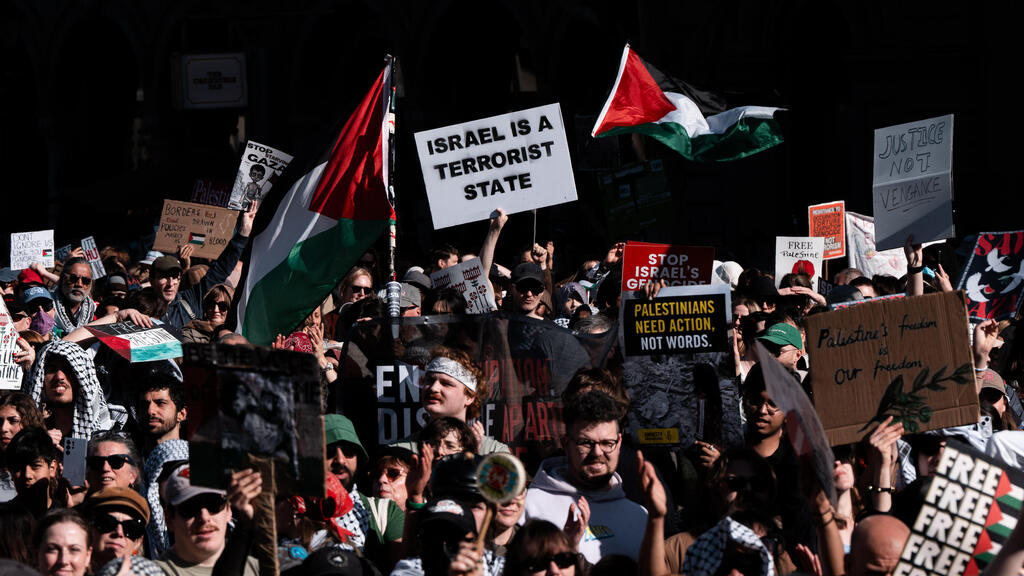
“Unfortunately, this is no longer simply a hidden boycott. In recent years we have seen open measures alongside countless informal barriers that make it harder for Israeli companies to operate in international markets. Beyond legislative initiatives, political statements and various restrictions in certain countries, there is a much broader phenomenon of what you could call a ‘quiet boycott.’ Customers, distributors and companies prefer not to enter into agreements with Israeli suppliers. They delay decisions, freeze deals or impose conditions that did not exist before. In some cases, simply having a product labeled ‘Made in Israel’ has become a business barrier. The damage is not limited to one company or another. The entire Israel brand is being affected. The international discourse surrounding Israel, together with attempts to normalize boycotts as a legitimate tool, is creating significant headwinds for our exporters.”
Government is aware
Novogrocki said the government is aware of the problem and is trying to help, but argued that the scale of the crisis requires much broader and more significant measures. “Israel has to actively invest in promoting exports, opening new markets, helping companies affected by boycotts and strengthening the image of Israeli industry around the world. When Israeli exports are hurt, jobs, growth, investment and the country’s economic resilience are hurt as well. This is no longer just an exporters’ problem. It is a national challenge. That also requires us to strengthen ourselves at home by making Israeli-made products a much bigger part of the shopping lists of consumers and government ministries.”
How many factories are actually at risk of closing if there is no major change?
“The question is not how many factories will close, but how many high-quality jobs, how much industrial knowledge and how much Israeli production capacity we could lose. Over the past year and a half, Israeli industry has faced an unusual combination of challenges: a severe labor shortage, high interest rates and a shekel that has strengthened sharply against the dollar. For exporters, that means a dramatic erosion of competitiveness and profitability. Despite that, Israeli industry continues to show extraordinary resilience. Industrial goods exports rose about 17% in dollar terms, but a significant part of that gain was effectively erased by the stronger shekel. In other words, factories are managing to sell more around the world but are seeing much less of that gain on their bottom line. Supply chains and exports were also disrupted during periods when Israeli airspace was restricted amid the confrontations with Iran. During Operation Roaring Lion, 83% of industrial exporters surveyed said they expected the war to hurt exports. Even the most efficient factory will struggle over time when competitive conditions do not allow it to make a profit. If there is no change in government policy and the broader business environment, the result will not necessarily be more factories closing. Instead, more investments, production lines and jobs will be developed outside Israel rather than here.”
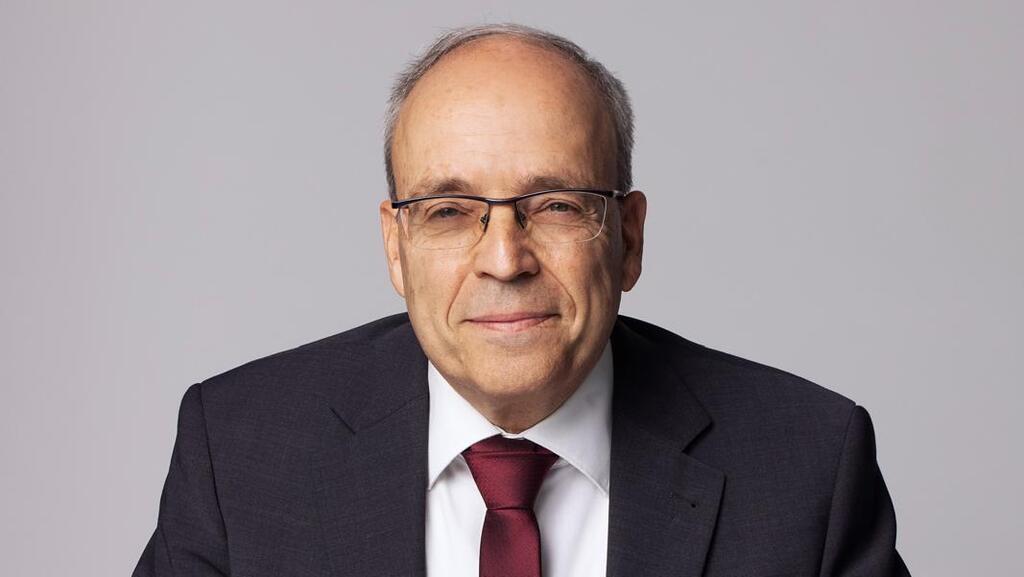
Avraham 'Novo' Novogrocki, president of the Manufacturers Association of Israel
(Photo: Michael Topiol)
Israel has been operating under extraordinary pressure for years, with war, a widening deficit, credit rating downgrades and political uncertainty. Are manufacturers still investing, or are they simply trying to survive?
“Israel is dealing with significant challenges, from credit rating downgrades to security and economic uncertainty. But when you look at the figures, you see that industry is not only surviving. It is continuing to invest. Investment in industrial machinery and equipment increased from 12.5 billion shekels in 2024 to 13.8 billion shekels in 2025. Despite high interest rates and labor shortages, factories are continuing to invest in technology, productivity and growth. But we have to be honest: a large share of those investments is being made because of faith in Israeli industry and in the State of Israel, not because Israel currently offers a clear competitive or economic advantage. We are already seeing that for multinational companies, decisions about whether to invest or expand in Israel are becoming much harder. The real challenge is making sure that the next investment made by Israeli companies operating here happens in Israel and not overseas. Industry has shown extraordinary resilience. Now the state has to create the right conditions and business environment so that it can continue growing here.”
A national plan
The Finance Ministry is discussing spending cuts as it tries to reduce the deficit, while manufacturers are demanding more money for capital investment and worker training.
“We have to understand that industry is not a budget expense. It is an engine of growth. In 2025, it contributed about 240 billion shekels to business-sector output, employed close to 400,000 people, exported roughly 183 billion shekels and paid average wages about 45% higher than the economy-wide average. The question is not whether the state can afford to invest in industry, but whether it can afford not to. The Manufacturers Association has presented a national plan costing about 2.2 billion shekels annually, but according to our conservative cost-benefit calculations, the investment begins paying for itself in the first year and would generate a net benefit of about 9.7 billion shekels for the economy over five years. Cutting investments that promote growth, productivity and exports may provide a short-term solution, but it could hurt state revenues in the future. If you want to reduce the deficit, you need to strengthen the businesses that manufacture, export and employ hundreds of thousands of people, not weaken them.
“We are not waiting for the government in order to act. We recently launched the association’s artificial intelligence center, which helps factories integrate AI solutions into production lines and across the value chain in order to improve productivity and competitiveness. Alongside that, we help companies promote investment, introduce robotics and automation, connect high-tech companies and startups with traditional industries and train managers and employees to get real value from these tools on the factory floor.”
What is the first thing you want from the next government?
“If I had to choose one thing, it would be the adoption and implementation of a long-term national industrial policy. We need a clear strategy defining where we want Israeli industry to be a decade from now. We have presented all the candidates with a detailed plan covering labor, investment, energy, innovation, exports and regulation.
“Industry cannot operate from one crisis to the next and from one election to the next. It needs certainty. Factories know how to deal with competition and challenges. What they cannot deal with is the absence of policy. The next government, whenever it is formed, has to provide a clear horizon. Otherwise, we will find ourselves with fewer investments and fewer jobs in Israel. We will work professionally with whichever government is formed.”