

In a case blending legal procedure and protest theatrics, the Enforcement and Collection Authority ruled against a group of debtors who attempted to settle a court-ordered legal fee of 18,000 shekels (about $5,500) using half-shekel coins, amounting to 235 kilograms (518 pounds) in total.
The debt stemmed from a legal dispute in which the debtors were ordered to pay court costs after their case was dismissed. In a defiant response, they delivered 18 boxes of coins—each sealed and certified by the Bank of Israel—to the creditor’s workplace, without prior coordination. The creditor refused to accept the money, claiming it was neither practical nor legally acceptable under Israel’s cash limitation laws.
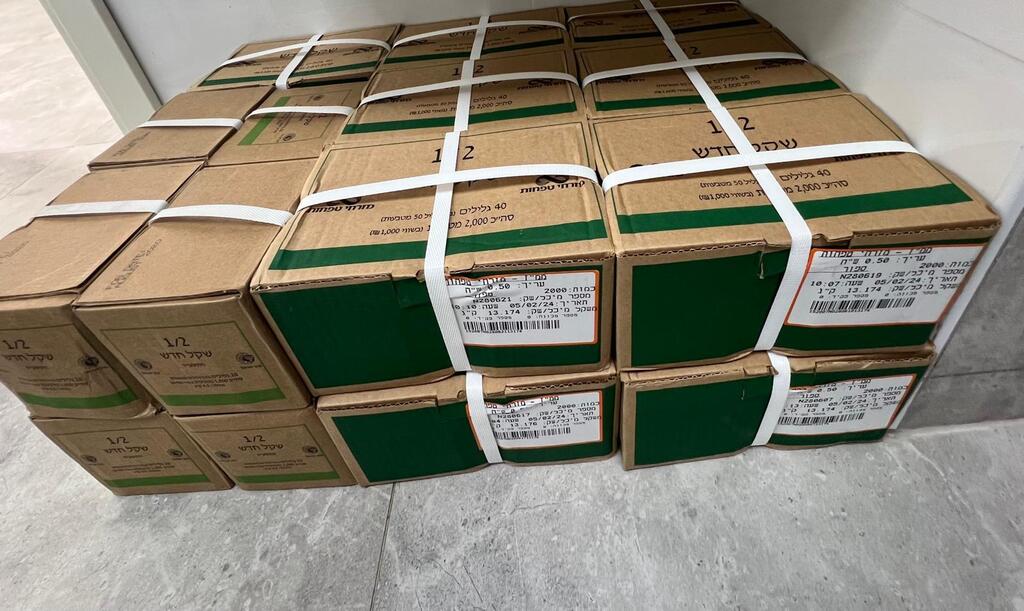
Boxes with half-shekel coins
Registrar Keren Farjun-Zitman of the Jerusalem enforcement office ruled that although payment in coins was not illegal under cash-use laws, the manner of delivery demonstrated a lack of good faith. “Executing payment in this manner, without informing the creditor in advance, does not constitute good faith—even if it was meant as protest,” she wrote.
While rejecting the creditor’s claim that accepting cash would have violated anti-money laundering laws, the registrar noted that the debtors had failed to coordinate the time, place or manner of payment. As a result, she imposed an additional 2,000-shekel ($610) fine on the debtors for procedural misconduct—but left the door open for them to complete the payment in coins if they give advance notice.
 Attorney Dr. Asaf PosnerPhoto: Niv Kantor
The debtors’ attorney, Lital Shor, called the ruling “a blow to the basic legal right to pay in legal tender,” arguing that refusal to accept coins constitutes a criminal offense under Israeli law. She accused the court of overstepping its authority and undermining legislative intent.
Attorney Dr. Asaf Posner, representing the creditor, welcomed the ruling. “There have been multiple cases where debtors try to turn coin payments into protests,” he said. “But even protests have limits.”
The debtors say they are considering an appeal.