

On October 27, Israel will hold elections for the 26th Knesset. For the first time in seven years, the election will take place on schedule, after the Knesset completed a full four-year term following the November 2022 election. The total cost of the elections to the economy is now estimated at about 4 billion shekels ($1.3 billion).
In at least one respect, the longevity of the current Knesset has helped: Israel has not had to repeat the enormous expense of holding elections every year or even every few months. The country went through four elections in less than two years — in April 2019, September 2019, March 2020, just as the coronavirus crisis began, and March 2021. Including the upcoming vote, Israel will have held seven elections in 10 years since 2015.
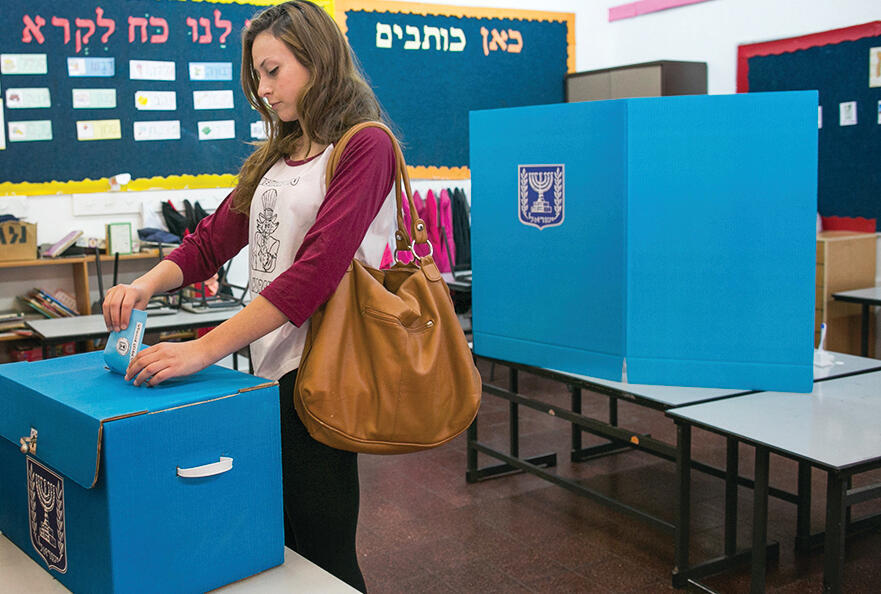
(Photo: Ohad Zweigenberg)
The cost of elections is effectively divided between the damage to the economy — mainly the payment of especially high wages, sometimes up to 200%, at factories and businesses, along with the shutdown of part of the country’s production and economic activity for an entire day — and the direct cost of holding and administering the election through the Central Elections Committee, as well as campaign financing for political parties.
According to an estimate by the Manufacturers Association’s economic research department, the cost to the economy of the election-day holiday is expected to reach about 2.68 billion shekels (about $884 million) this time. The estimate is based on average wage data for Israeli salaried employees, with a distinction between the broad public sector and the business sector.
Under the law, all salaried employees are entitled to a paid day off, while employees who work on election day receive significantly higher pay. The estimate is based on Central Bureau of Statistics data reflecting average monthly wages between July 2025 and June 2026 and the number of salaried workers employed in the Israeli economy during that period.
The business sector currently employs 2.540 million workers, while 1.583 million work in the public sector, for a total of 4.123 million salaried employees nationwide. The average monthly wage in the business sector is 15,776 shekels (about $5,200), compared with 11,908 shekels ($3,900) in the public sector, while the overall average wage stands at 14,288 shekels (about $4,700).
Overall, the cost of election day is expected to reach 1.82 billion shekels($601 million) in the business sector and 860 million shekels (about $284 million) in the public sector, bringing the total to 2.68 billion shekels ($885 million).
To that must be added the budget of the Central Elections Committee, which covers the state’s cost of administering and operating the election for the 26th Knesset. In the 2026 state budget, the “Elections and Party Financing” item was set at 976 million shekels ($322 million), but after budget transfers it was revised upward to 1.027 billion shekels ($339 million).
The Central Elections Committee’s budget for its routine operations this year stands at 111 million shekels (about $37 million), compared with 81 million shekels (about $27 million) in 2025.
For the 26th Knesset, the party-financing unit was set at 1.835 million shekels per lawmaker. The advance election-financing payment was raised from 70% to 80% of one financing unit per Knesset member. That expenditure has effectively already been made, with 1.468 million shekels ($606,000) allocated for each serving lawmaker.
The total cost of the election for the 25th Knesset in November 2022 came to nearly 3 billion shekels ($990 million). According to calculations by the Manufacturers Association, the cost to the economy at the time was 2.14 billion shekels ($707 million).
The Central Elections Committee budget then stood at just 538 million shekels ($118 million), while party financing totaled 200 million shekels ($66 million).
Next month’s election is expected to cost the economy about 4 billion shekels ($1.3 billion), a significant increase driven mainly by higher wages, inflation and the expanded budget of the Central Elections Committee.
The Manufacturers Association estimates that Israeli industry will lose about 342 million shekels ($113 million) on Election Day, Tuesday, October 27.