

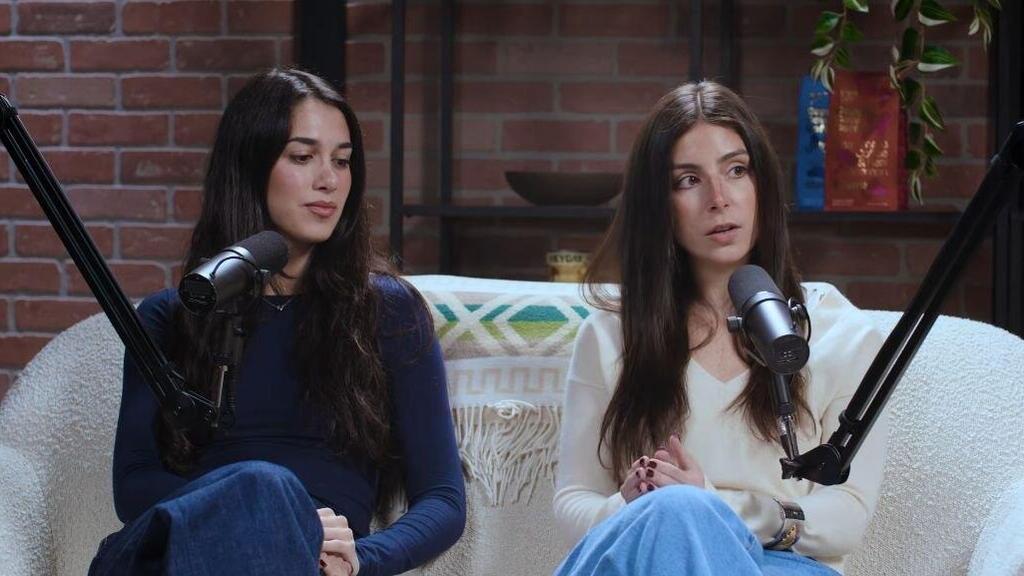
At 4 a.m., Leah Marcus woke to 70 missed calls from her business partner.
Influencer Alix Earle had just featured Hot Girl Pickles, the debut product from Marcus and Yasaman Bakhtiar’s Los Angeles-based company Good Girl Snacks, in a TikTok video.
There was only one problem: Earle spent much of the clip struggling to open the jar.
“Imagine our horror,” Marcus later recalled.
Then came the upside. Within hours, the company’s website was flooded with traffic, and hundreds of orders began pouring into its Shopify store.
For Marcus, 26, and Bakhtiar, 27, the viral moment was the kind of publicity young consumer brands dream about. It also highlighted just how far the two University of Southern California graduates had come since quitting their jobs and betting on a product that could hardly be described as revolutionary: pickles.
Today, their company is valued at $8.5 million following a $3 million funding round, according to CNBC. Good Girl Snacks declined to disclose its revenue or whether it is profitable.
Its flagship product, Hot Girl Pickles, is now sold online and through major U.S. retailers, including Whole Foods Market and Erewhon.
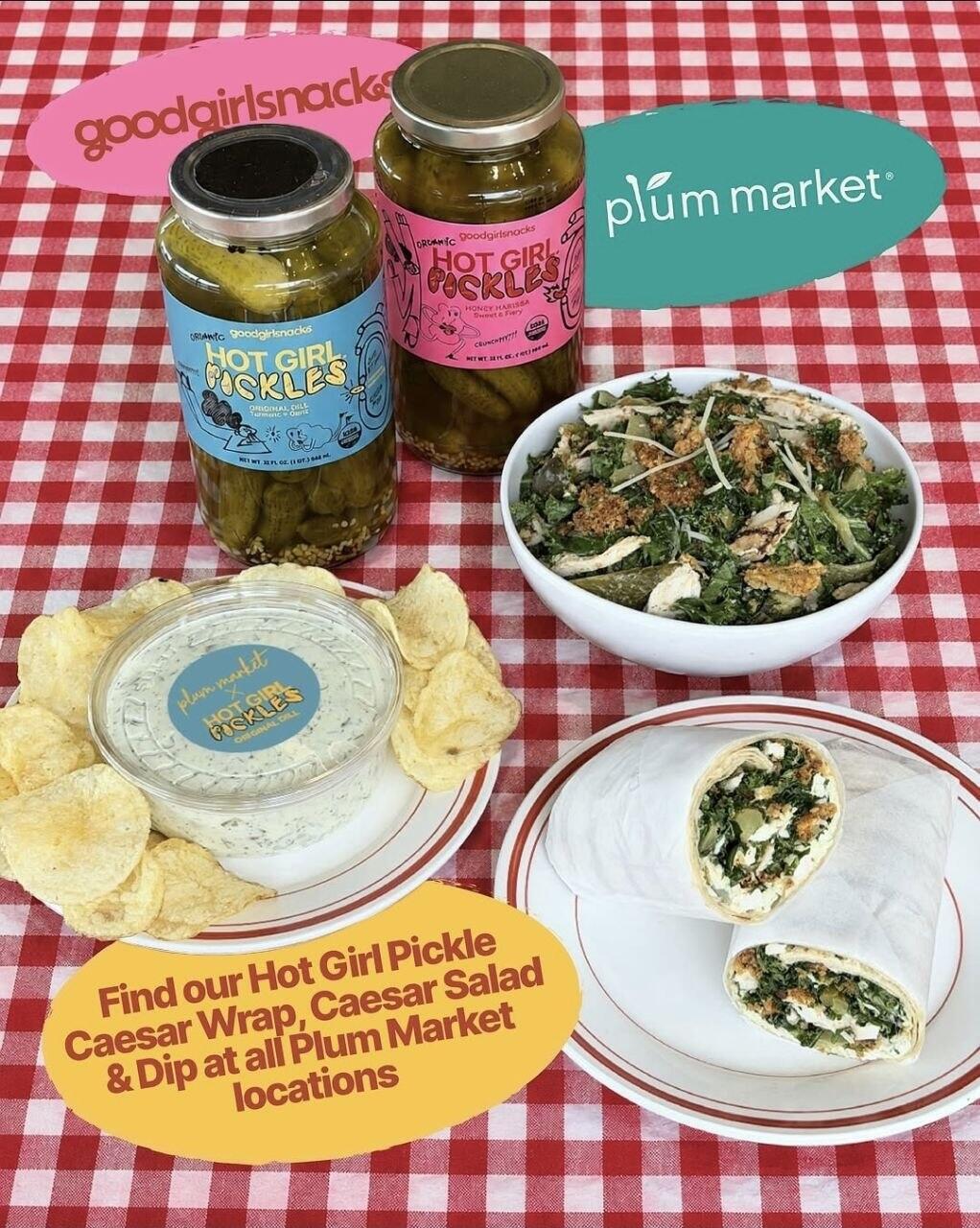
Some of the Hot Girl Pickles products
(Photo: Instagram goodgirlsnacks)
The product itself is straightforward: vinegar-based pickles.
What Marcus and Bakhtiar believed was missing from the category was not flavor so much as identity.
They had noticed pickle-related content appearing constantly on TikTok and other social platforms, particularly among younger users. The pair would regularly send each other pickle videos, and eventually concluded that the category had become culturally relevant in a way established food brands had failed to capture.
In their words, pickles had become “Gen Z’s avocados.”
The problem, as they saw it, was that most pickle brands still looked old-fashioned.
So they created a product designed to stand out immediately on a supermarket shelf.
Hot Girl Pickles jars use bright pinks, purples and turquoise, a visual departure from the more traditional packaging used by long-established pickle makers. Good Girl Snacks has also built a deliberately playful online identity, relying on irony, self-mockery and internet humor rather than polished corporate advertising.
“Everything we do is designed to create a reaction,” Marcus told CNBC.
The company has amassed about 175,000 followers on Instagram, helping turn what could have been an ordinary grocery product into something consumers can display as part of their online identity.
That matters particularly for Gen Z shoppers, according to Americus Reed, a marketing professor at the University of Pennsylvania’s Wharton School.
A company that is digital-first and willing to break with the conventions of its industry has an advantage when competing for younger consumers, Reed said.
Gen Z consumers, he explained, are at a stage in life when building social credibility among peers is especially important. Posting about niche or unusual products can help them communicate something about who they are to friends and followers.
Good Girl Snacks also entered the market at an unusually favorable moment.
Pickles and pickle-flavored products have been enjoying a surge in popularity in the United States. Pickle-flavored snacks generated $518 million in retail sales between February 2025 and February 2026, according to market research firm Circana, nearly 40% more than during the same period a year earlier.
Marcus and Bakhtiar had been watching that enthusiasm build since 2023.
They said they were already sending each other TikTok videos about pickles almost every day when they decided that summer to leave their jobs and start a company together.
The timing also coincided with the height of social media trends built around phrases such as “Hot Girl Walk” and “Girl Dinner,” which helped inspire both the name and the tone of their brand.
Good Girl Snacks was founded in summer 2023, and Hot Girl Pickles launched in February 2024.
The irreverence is intentional.
“Our brand doesn’t take itself seriously,” Marcus said. “We’re constantly making fun of ourselves on social media. We do things that people in our category normally don’t do.”
That strategy has helped the founders draw attention in a crowded food market, but they still have a long way to go before challenging the biggest names in the U.S. pickle industry.
Gen Z currently represents only about one-fifth of the American consumer market, while established companies still dominate grocery store shelves.
Mt. Olive, for example, sells about 230 million jars of pickles, peppers and relishes each year.
For now, however, Marcus and Bakhtiar have already demonstrated that even one of the oldest products in the supermarket can be repackaged for a new generation.
Their bet was not that consumers needed a new kind of pickle.
It was that they wanted a pickle brand that felt like it belonged to them.