

As Israel and the United States continue wide-ranging strikes in Iran and Tehran responds with attacks on Gulf states and oil infrastructure, China is closely watching developments — driven not only by concerns over the stability of Iran’s government but also by its deep economic reliance on Iranian energy.
The war in Iran is increasingly seen as having rapid global economic consequences, drawing reactions from governments around the world.
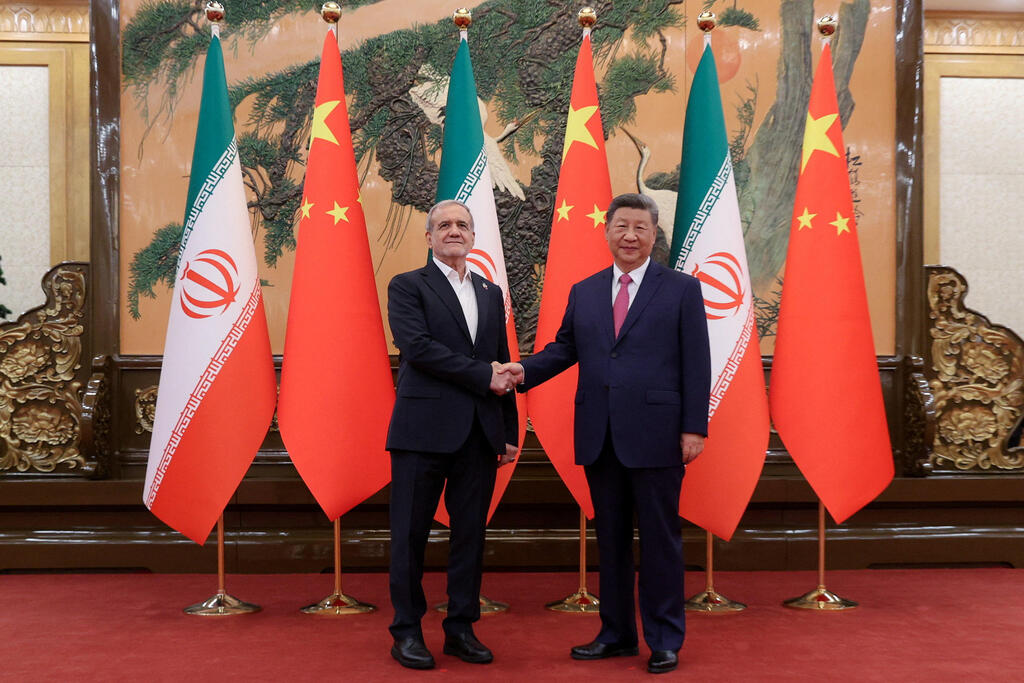
While Western countries have largely supported the military campaign, arguing it was necessary to counter Iran’s nuclear ambitions, Beijing has struck a very different tone.
China sharply condemned the Israeli-American strikes, as well as the killing of Iran’s supreme leader and other senior Iranian officials. At the same time, however, there are no indications that Beijing plans to provide direct military support to Iran.
At most, China could send humanitarian assistance, observers say.
Behind Beijing’s rhetoric about sovereignty and alleged violations of the U.N. Charter lie significant economic interests tied to energy supplies that are crucial to China’s economy.
China’s deep energy reliance on Iran
Iran plays a central role in China’s energy supply. According to recent estimates, roughly 90% of the oil produced in Iran is sold to China. Much of that oil reaches Chinese buyers through indirect routes that pass through third countries, allowing transactions to circumvent international sanctions.
Chinese refineries that operate outside the global financial system purchase Iranian crude at a discount of about $5 to $10 per barrel compared with global market prices.
Any escalation that threatens those supplies could force China to buy oil at significantly higher prices on the open market, potentially raising production costs across China’s vast manufacturing sector by billions of dollars.
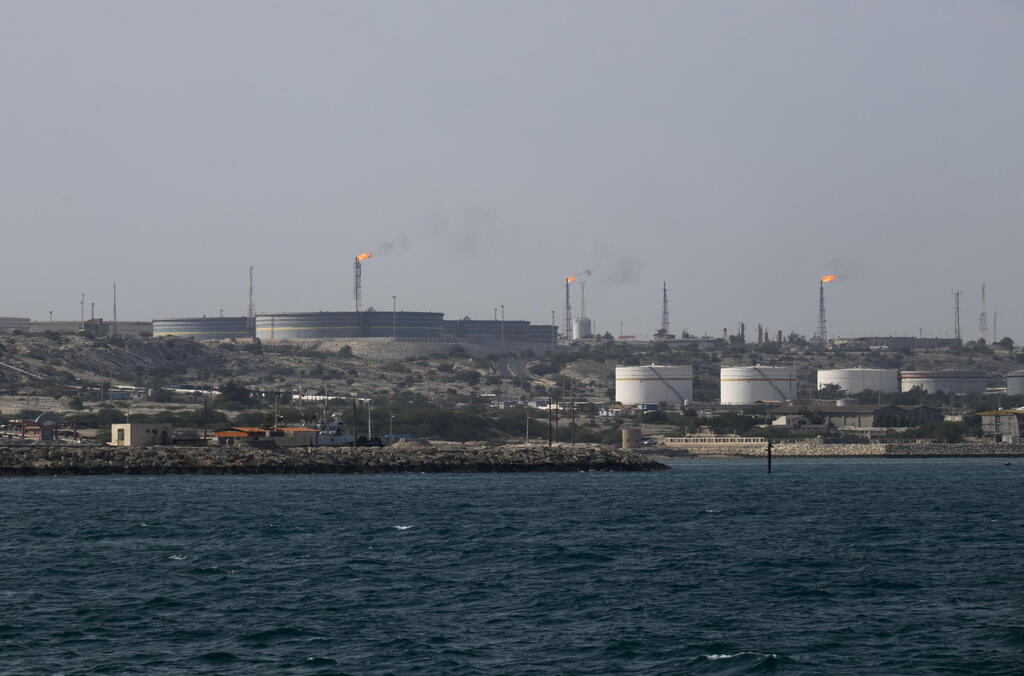
(Photo: Morteza Nikoubazl/NurPhoto, Reuters)
Energy shipments through the Strait of Hormuz represent another major concern for Beijing.
About 20% of the world’s oil consumption — roughly 20 million barrels per day — passes through the narrow waterway between Iran and Oman.
For China, the strait is a critical energy artery. Around half of the oil moving through Hormuz is ultimately destined for Chinese ports.
Any disruption to shipping through the strait could therefore pose a significant threat to China’s energy security, increasing production costs and risking economic instability.
Since April 2025, China and Iran have also strengthened financial ties by conducting oil transactions in China’s currency, the renminbi, rather than the U.S. dollar.
The shift followed Iran’s removal from the SWIFT international banking system and represents a strategic move by Beijing to promote the yuan as an alternative global currency.
Diplomatic tensions and global implications
German Chancellor Friedrich Merz said the United States had spent weeks negotiating with Iran in Oman and Switzerland in an effort to find a diplomatic solution before the conflict escalated.
According to Merz, those talks failed after Iran refused to accept a sustainable agreement that would halt its nuclear and missile programs.
Still, the strikes have also raised broader questions about international law and the use of force.
Legal experts have warned that attacks on a sovereign state could set precedents that other powers might later invoke in their own conflicts.
Some analysts argue that if countries justify military strikes on the basis of self-defense or preventing future threats, other powers could adopt similar arguments in conflicts elsewhere — including Russia’s war in Ukraine or potential future tensions involving China and Taiwan.
Strategic opportunity for Beijing
Beyond the economic risks, the conflict may also offer China an opportunity to reshape its global image.
As the United States is portrayed in some parts of the world as relying on military force, China has sought to position itself as a defender of international law and multilateral institutions.
Beijing has used forums such as the United Nations to criticize Washington’s actions while presenting itself as a stabilizing force.
The messaging is also aimed at the so-called Global South — developing countries that often view Western dominance with suspicion.
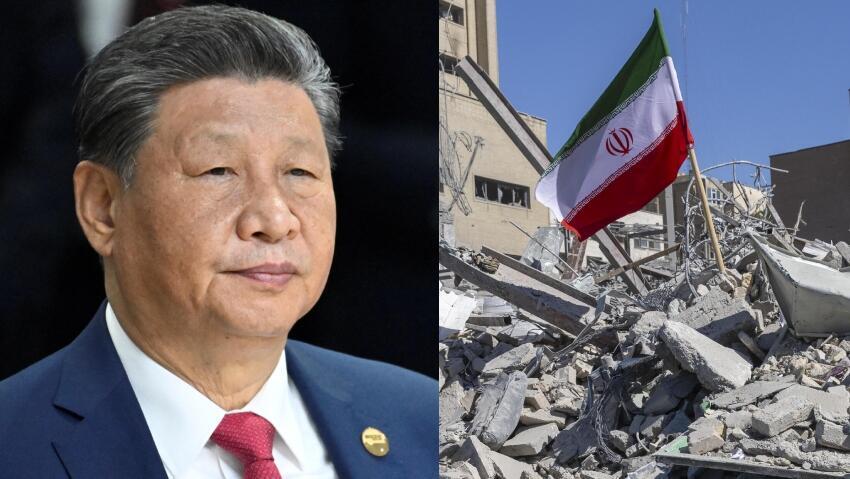
(Photo: Majid Saeedi/Getty Images, ALEXANDER NEMENOV/Pool via REUTERS)
Iran is a member of groups such as BRICS and the Shanghai Cooperation Organization, alliances that China has helped expand as alternatives to Western-led institutions.
From Beijing’s perspective, the war between Israel, the United States and Iran therefore extends far beyond the Middle East.
It is also a test of global alliances, the stability of energy markets and the evolving balance of power in the international system.
China now faces a complex balancing act: safeguarding the flow of oil that fuels its economy, preventing the collapse of a key regional partner and advancing its broader ambition of shaping a new, multipolar global order.
At the same time, Beijing is closely studying how Western powers respond to the conflict — lessons that could influence its own strategic decisions in the future, particularly regarding Taiwan.