

For the first time this year, foreign investors significantly reduced their exposure to the Israeli stock market, selling off approximately NIS 2 billion ($589 million) worth of shares between mid-June and the end of July 2025, according to data published by the research unit of the Tel Aviv Stock Exchange (TASE).
As a result, the cumulative volume of foreign investor purchases since the start of the year dropped from NIS 10.5 billion to just NIS 8.5 billion. The data reveals an interesting trend: while Israel’s leading stock indices have surged in recent months, setting new all-time records, the growth engine has shifted—local investors have become the dominant driving force, while foreign investors have turned to selling.
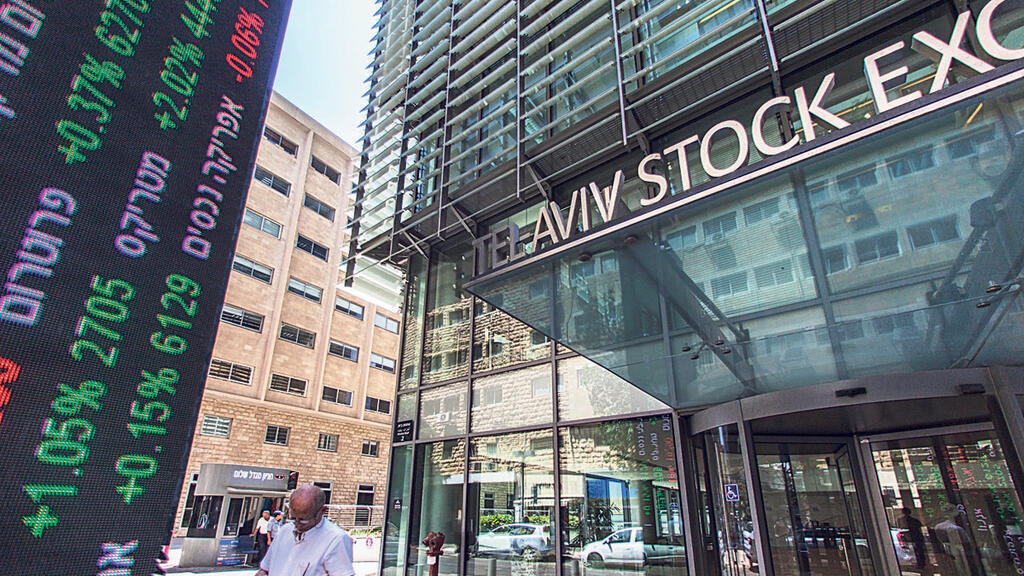
“Foreign investors were the main engine behind stock purchases from the start of the year until the eve of the war with Iran," said Udi Nir, head of TASE’s research unit. "During that period, they purchased approximately NIS 10.5 billion ($3.094 billion) in equities—mostly bank stocks, totaling NIS 6.2 billion ($1.827 billion), and shares in defense companies worth NIS 1.9 billion.”
So what exactly did foreign investors offload? The data shows that in July, they continued to buy defense-related stocks, though at a modest volume of just NIS 200 million. At the same time, there was a clear sell-off in sectors like biomed, insurance, real estate and banking. This stands in sharp contrast to Israeli investors, who increased their exposure to Tel Aviv-listed stocks in July, buying shares worth approximately NIS 2.9 billion—up from NIS 1.9 billion in June.
Get the Ynetnews app on your smartphone: Google Play: https://bit.ly/4eJ37pE | Apple App Store: https://bit.ly/3ZL7iNv
Local institutional investors also joined the positive trend, purchasing around NIS 600 million worth of shares in July, following NIS 500 million in purchases the previous month.
Interestingly, despite the foreign sell-off, trading in July was marked by price gains and particularly high turnover, with daily trading volumes reaching NIS 3.8 billion. These gains continued the positive momentum seen in June, amid and after the war with Iran.

Israeli Air Force
(Photo: IDF)
TASE attributes this trend to a perceived decline in the risk level associated with the Israeli market after the confrontation, reflected in the resilience of the local stock exchange.
Flagship indices posted clear gains in July: the TA-35 rose by 2.2%, the TA-90 by 1.3% and the TA-125 by 2.1%. Notably, all three indices broke all-time records multiple times during the month: the TA-35 hit four record highs, the TA-90 six and the TA-125 five.
Among the standout sectors were the TA-Insurance Index, which surged by 10.8%; the TA-Energy Infrastructure Index, up 8.8%; and the TA-Technology Index, which climbed 4.3%.