

Two sectors hit hardest during the two years of the October 7 war, Israel’s industrial production and exports, are now at the center of a sweeping national recovery effort. The damage, estimated at billions of dollars, has prompted the Manufacturers Association of Israel to present the government with a comprehensive plan to rehabilitate the industry and restore exports to a path of growth.
Valued at NIS 1.25 billion, the plan aims to strengthen Israeli exports in the short term and ensure sustainable growth in the years ahead. “We are confident that this postwar plan will secure Israel’s industrial production and exports for years to come,” said Dr. Ron Tomer, president of the Manufacturers Association, in an interview with Ynet and Yedioth Ahronoth’s Mamon supplement.
In recent years, Israel has faced complex economic challenges driven by security pressures, negative international sentiment, and damage to the “Israel” brand abroad. Since exports account for about 28 percent of the nation’s GDP and serve as a key growth engine, the Export Institute and the Manufacturers Association have developed the “Psagot” (Peaks) plan, a comprehensive framework designed to seize the momentum following the ceasefire and the return of the hostages, to reignite export growth and reinforce Israel’s economic resilience.
Submitted last weekend to Prime Minister Benjamin Netanyahu and Economy and Industry Minister Nir Barkat, the plan spans 2026 to 2031 and calls for embedding it as a formal multi-year government program.
“The export sector is Israel’s main growth engine,” said Dr. Tomer. “Over the past two years, exports suffered a sharp decline and a retreat in international cooperation. Israel must take bold measures to compensate for losses, restore confidence in its brand, and secure stable trade partnerships. We believe this plan can double exports within five years and achieve all its goals. The government should adopt it without delay.”
Avi Balashnikov, chairman of the Export Institute, added, “Exports account for about 30 percent of Israel’s GDP, making them a central pillar of growth. Unfortunately, growing global hostility toward Israel, especially in recent months, has severely hurt our industry and exports. This plan could reverse that trend and help realize the immense potential of Israeli innovation and production.”
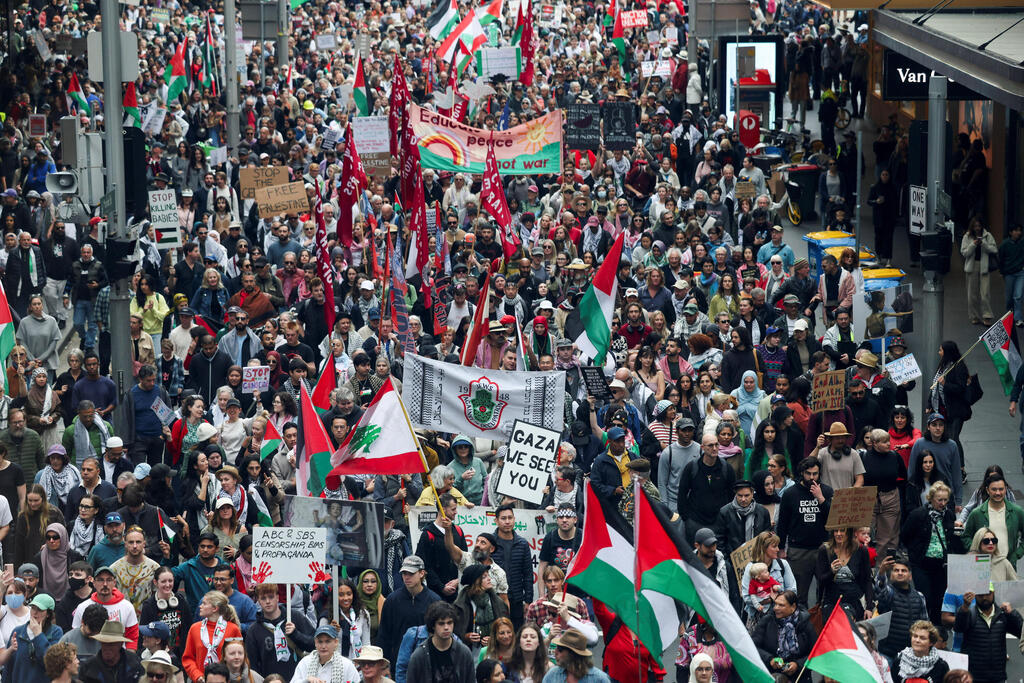
Protests against Israel in Sydney
(Photo: Hollie Adams/ Reuters)
Global strategy
The plan’s objective is to double Israel’s exports through a broad, results-oriented support framework that will help Israeli companies expand internationally, enter new markets, and compete globally, even during periods of geopolitical instability. It places special emphasis on small and medium-sized businesses, which often struggle with financing, marketing, and regulation, and aims to rebuild Israel’s reputation as a reliable and innovative business partner.
Core elements of the plan
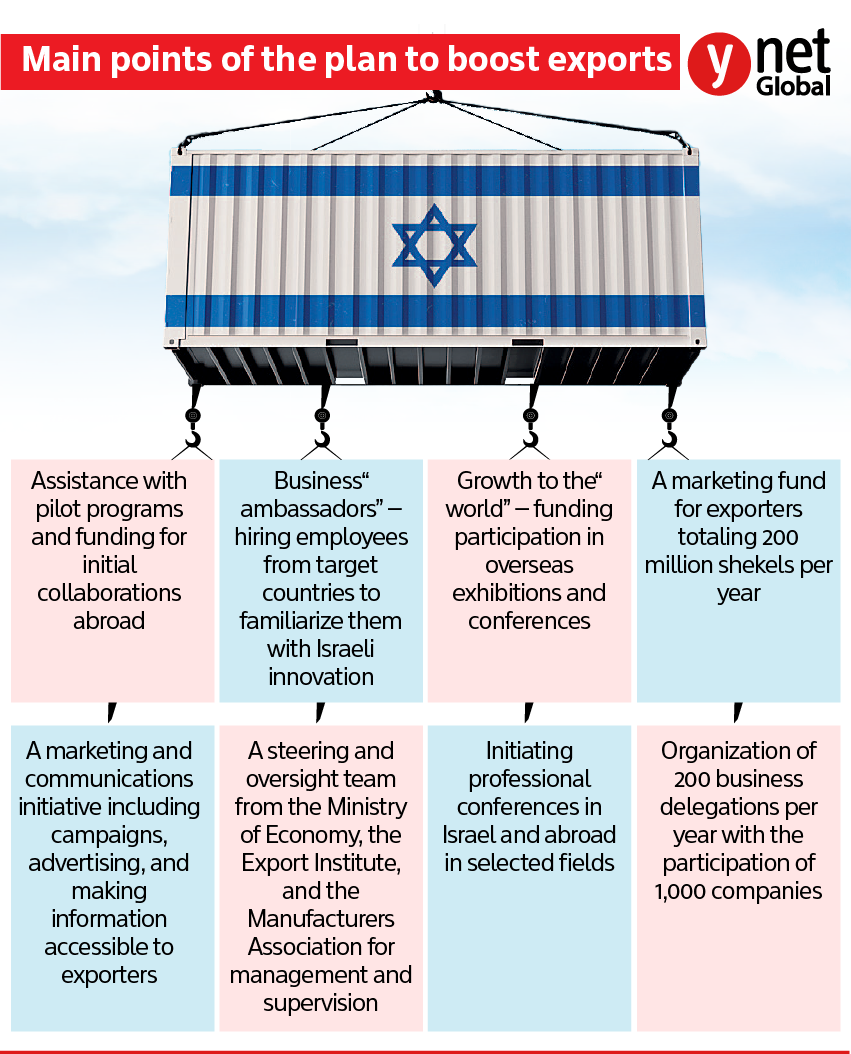
Export marketing fund: A government-backed fund of about NIS 200 million per year to finance international marketing programs, exhibitions, local agent recruitment, product adaptation, digital campaigns, and artificial intelligence tools. The fund will subsidize up to 80 percent of approved expenses, depending on company size.
“Growth to the World” program: Funding for participation in international exhibitions, delegations, and conferences in industries such as high-tech, digital health, agri-food tech, and advanced manufacturing.
Pilot support abroad: Funding for initial collaborations with foreign entities to prove feasibility, enter new markets, or promote products. Each pilot will be supported by an economic attaché and a dedicated marketing consultant.
“Business Ambassadors” initiative: Recruiting employees from target countries for six- to twelve-month internships in Israeli companies to deepen familiarity with Israeli innovation and create a global network of “business ambassadors” who will later promote trade ties with Israel.
International exhibitions: Participation in about 35 leading global exhibitions each year, with up to 80 percent cost coverage and professional guidance for companies, including those presenting independently outside the national pavilion.
Business delegations: Organization of around 200 annual delegations with 1,000 participating companies to develop new markets, form strategic partnerships, and strengthen economic ties.
Professional conferences: Hosting and supporting conferences in Israel and abroad in key sectors such as health, cybersecurity, defense, and agri-tech.
National marketing and communication campaign: Advertising, public information, and training programs to raise awareness of the plan and encourage exporters to participate.
Steering and oversight team: An inter-ministerial body comprising the Ministry of Economy, the Export Institute, and the Manufacturers Association to manage, monitor, and adapt the plan as needed.
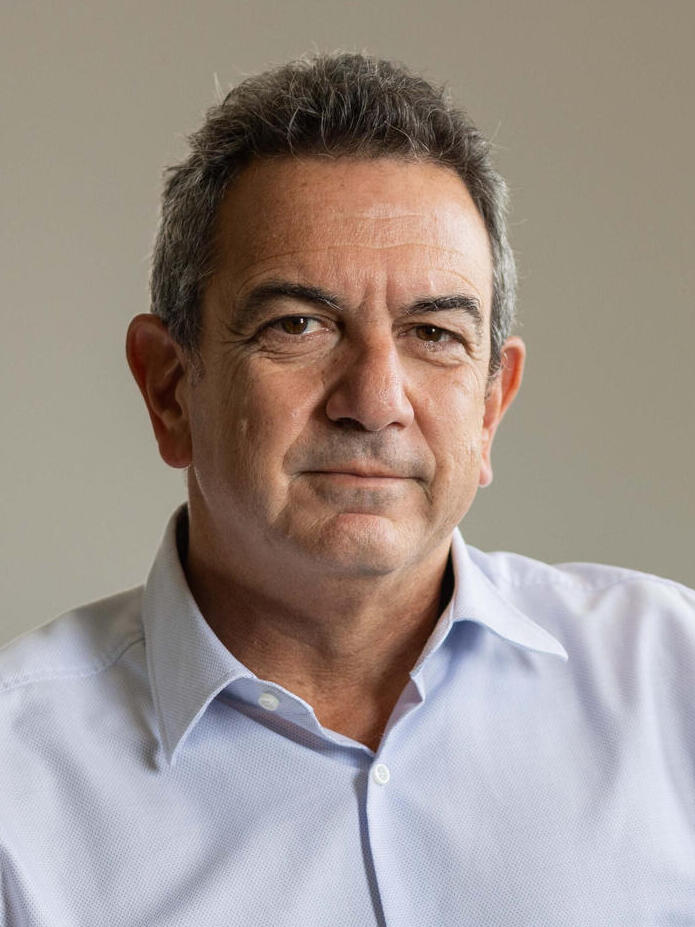 Dr. Ron TomerPhoto: Tal Shahar
Strategic focus areas
The plan will focus on expanding support for small and medium-sized exporters, rebranding Israel internationally, strengthening export infrastructure in key markets through additional economic attachés and local teams, forming partnerships with friendly nations to secure supply chains, diversifying export markets to less politically sensitive regions such as India, Africa, South America, and East Asia, and improving access to funding, training, and information for exporters.