

A new special report from State Comptroller Matanyahu Englman finds that the Social‑Economic Cabinet met almost not at all in recent years — including during the war — made no significant decisions and was effectively powerless in guiding the economy.
The Ministry of Finance had not run a war‑budget preparedness exercise since 2016, the report states. The minister of finance promised but did not significantly cut coalition funds for wartime needs and at one point even increased them — in direct contradiction to his pledge.
The report finds a sharp 90 percent drop in the annual number of decisions by the Social‑Economic Cabinet over a 20‑year span. Ministerial attendance was partial and in many cases minimal, which the report says shows that most ministers attach no significance to the body.
Before the war, neither the minister of finance nor the prime minister followed the auditor’s recommendations to prepare for emergency economic conditions, the report says. During the war, the minister, who was empowered to set the cabinet’s agenda and manage its wartime work, failed to exercise that power.
Because the cabinet stopped convening altogether from December 2023 onward, and did not function during the early months of the war, the state comptroller says the prime minister should have stepped in to ensure full and effective civilian economic management — but did not.
The report says the cabinet’s lack of capacity was evident in its failure to provide systematic support in advance to communities on the conflict’s frontline.
It also found that the general comptroller in the finance ministry reported reserves of approximately 30 billion shekels in November 2023, yet the Budget Department stated the effective reserve was zero — meaning that no immediately usable funds were available at the war’s outbreak, requiring ad‑hoc budgetary sourcing.
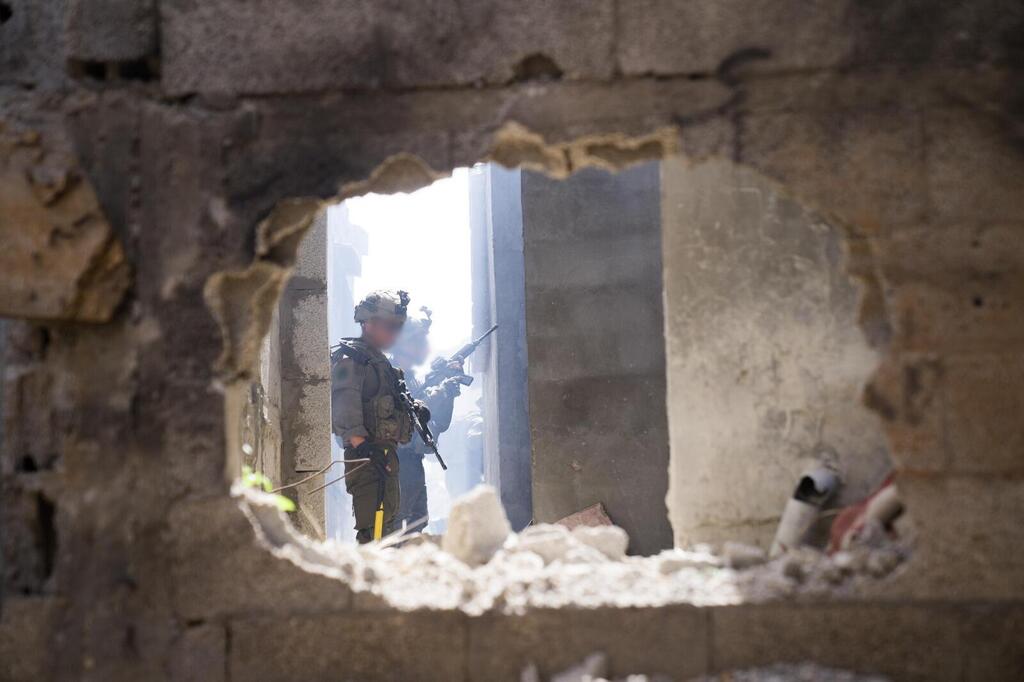
IDF activity in the Gaza Strip
(Photo: IDF Spokesperson)
Economic damage estimates include a total cost of roughly a quarter‑trillion shekels for the war in 2023‑25, an additional budget allocation of 107 billion shekels in 2024 — including an 85‑billion‑shekel increase in the defence budget. Israel’s credit rating was downgraded five times in 2024. The report estimates a hit to GDP of 90 billion shekels in the first year — 3.6 percent of output — and a 2025‑27 increase in interest and principal payments to the country’s pension fund of about 27.1 billion shekels.
The report criticises the fact that the national emergency authority’s war‑scenario planning covered only a short‑term conflict of about a month — while the current war has dragged on two years and is still unresolved. The ministry’s last internal war‑readiness exercise dates to 2016.
In addition, the report notes that from October 2023 until the special war budget was approved on December 14, more than two months passed "without a budgetary mechanism that allowed for orderly fund transfers," the report states.
Finally, despite the finance minister’s November 9, 2023 decision to re‑allocate 1.6 billion shekels from coalition‑allocated funds toward war needs, only 869 million were actually shifted — reducing ministerial programme funding by some 740 million without defined alternative sources. The report also states that many coalition funds that were deemed unrelated to ministry core activities or war efforts were either not cut or were increased after the war began. The cabinet reportedly held no discussion of the credit‑rating downgrades, and so no preparation was made for their consequences.