

Everyone thought that by 2026, it would no longer exist at all. Others thought it was a cute gimmick that proved the masses could beat the wealthy hedge funds, but that eventually the media buzz would fade and it would fall back to its real value.
In any case, no one thought that even if it somehow survived, it would be in a position to try to take over a giant like eBay. But GameStop continues to surprise everyone.
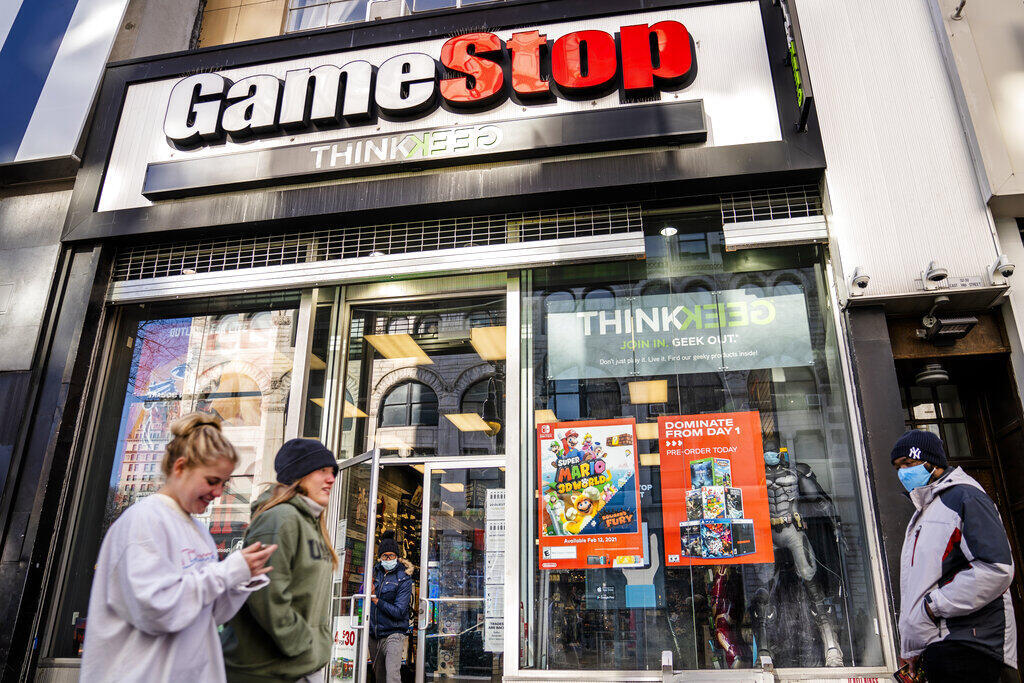
Five years after it was brought back to life, after becoming a meme stock — a stock that gains sudden and enormous popularity online — it has stabilized at a market value of $12 billion and is now trying to buy a company worth four times as much. GameStop, which for years was synonymous with neighborhood video game stores and the main destination for buying consoles and games, has made several significant moves in recent years to remain relevant.
Its initial push came not from a smart business decision, but from an unusual move by masses of investors. In 2020, its stock fell to a low of $2.57, and retail investors on one of the forums of the popular Reddit website believed the company was undervalued — and especially that they could exploit the fact that about 140% of GameStop’s tradable shares were held in short positions, meaning hedge funds were betting heavily on its collapse.
The idea was simple: If enough people bought and held the stock, the hedge funds would be forced to close their positions at huge losses, pushing the price even higher. That is exactly what happened. The gaming company’s stock soared to more than $460.
Elon Musk also fanned the flames when a tweet linking to the investment forum on the issue led to another sharp jump in the price. Hedge funds such as Melvin Capital suffered billions in losses, and trading platforms such as Robinhood temporarily suspended trading in the stock — a move that sparked public outrage and demands for congressional investigations.
The 2021 saga gave GameStop a unique lifeline: the ability to raise billions by issuing shares into the frenzy. In three separate offerings, the company raised about $3.45 billion net, allowing it to rebuild itself.
Money came in. What do you do with it?
During the fundraising period, a new player entered the picture: Ryan Cohen, founder of pet products company Chewy, who made a significant investment in GameStop and joined its board in January 2021. In 2023, he was appointed CEO, and since then, he has been the architect of the turnaround.

Ryan Cohen
(Photo: Screengrab)
His strategy: aggressive cost cuts, closing money-losing stores and a fundamental change in the company’s business focus. Cohen closed 1,700 unprofitable stores and led the company from losses of $600 million in 2021-2022 to a projected annual profit of about $300 million by 2026.
GameStop’s main growth engine today is its collectibles category — trading cards, figurines, apparel and toys. The segment now accounts for more than 31% of the company’s total sales. Pokémon cards are the driving force, with collectibles revenue jumping 54% in the first quarter of 2025. A partnership with PSA, which authenticates and grades cards, strengthened the company’s credibility in the field.
The trading card market, including Pokémon, was valued at $21.4 billion in 2024 and is expected to grow to $58.2 billion by 2034, an annual growth rate of 13%. What is accelerating that growth is a shift in perception: cards have moved from “play value” to “investment value.” Nearly one in five adults buys Pokémon cards for themselves, while only a quarter of them actually play the game. Most buyers are collectors and investors, not players.
GameStop’s strategy in the field is based on selling cards and collectibles, buying old cards from customers for cash and reselling them to other customers, and selling online “packs” of cards for delivery or in-store pickup. As for Pokémon, the market is both global and multigenerational: vintage cards such as Charizard from the base set will never be reprinted, creating a fixed supply that will not expand — and that is what drives long-term value. New cards, meanwhile, drive ongoing demand, pack openings and organized play.

Pokémon
(Photo: Kin Cheung / AP)
Cohen is also pursuing a balance-sheet strategy, with more than $9 billion in cash and marketable securities. In May 2025, the company bought 4,710 bitcoin worth $513 million, making it the 14th-largest corporate bitcoin holder in the world. Cohen said of the strategy: “I see it as a hedge against inflation and global money printing.”
In January, the U.S. financial press published details of Cohen’s unusual contract. He could receive a compensation package worth millions of dollars, but he would have to meet a difficult financial target: increasing the company’s value nearly tenfold to $100 billion and recording profits of $10 billion.
According to the report, Cohen has no salary, no bonuses and no shares, and is fully dependent on performance to receive compensation. Under the package, he would receive percentages at each milestone. For example, if the company reaches a market value of $20 billion, he would receive 10%, with further increases up to $100 billion, at which point he would be entitled to 15% compensation.
The next move: The bid for eBay
In February 2026, Cohen said he was planning a “very, very, very big” acquisition of a public consumer company. In an interview with The Wall Street Journal on Monday, he revealed the target: GameStop announced a nonbinding offer to acquire eBay for $125 a share — a cash-and-stock deal worth a total of about $55.5 billion, a 20% premium over last Friday’s closing price.
eBay
(Photo: Calcalist)
The strategic logic rests on the overlap between eBay’s strength as an online marketplace and GameStop’s collectibles pivot. GameStop’s 1,600 retail stores in the U.S. could serve as authentication, intake, fulfillment and distribution points. Cohen said he is prepared to go directly to eBay shareholders if the company’s management is not receptive to the deal.