

Fruit
If the avocado were a person, you might say, in a deliberately ambiguous phrasing, that it has “character.” A type. Juicy but capricious, delightful yet often unbearable. You never quite know how it will wake up in the morning, how it will arrive from the supermarket, how it will spread on bread. When it will surrender, when it will resist, when it will be exactly what you need and when it will repel you. What is all that black stuff anyway, and what are those little fibers.
There are endless jokes about it. Not ripe, not ripe, not ripe, rotten. There are countless experts, or self-appointed ones, who claim they know exactly when to buy and when to cut, like sorcerers of perfect timing. There are tips, tricks and an entire universe of avocado content. But the avocado does not care. Ripe or unripe, it remains itself.
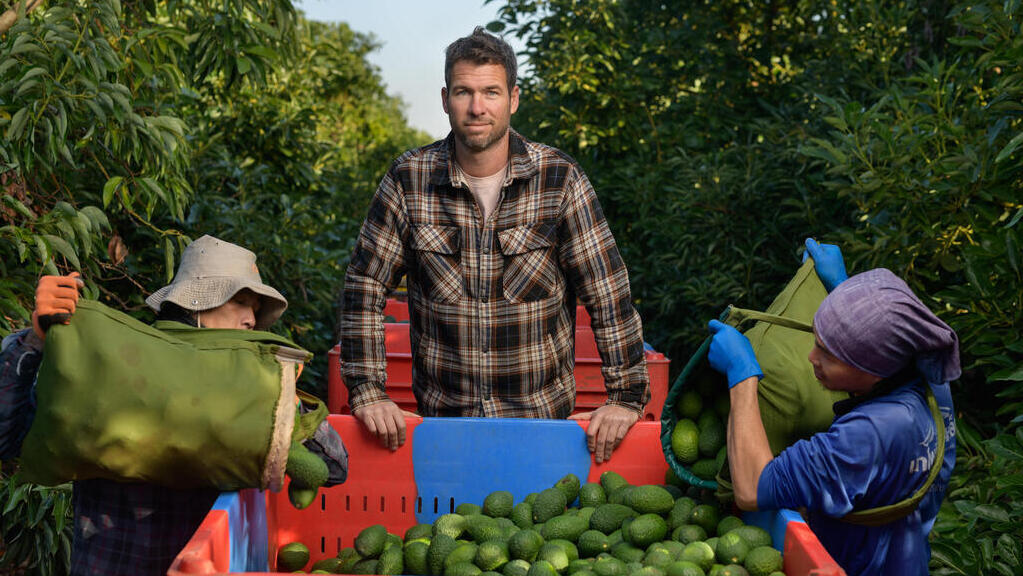
And it turns out this story is not really about the fruit at all. Israelis’ hunger for avocados, the urge to consume them, is part of what repeatedly drives us into that familiar cycle of not ripe, not ripe, rotten. Certain varieties require extremely precise harvesting times to reach the market at the right moment, but demand accelerates everything. The Galil variety, for example, is particularly sensitive, yet it appears on shelves in summer, when there are no alternatives and the public’s craving must be quenched. Prices are high, some growers give in to temptation, agriculture is a world of relentless economic pressure, or they simply miss the exact window and harvest too early or too late.
Consumers then enter a crisis of trust with their beloved fruit. If they survive the summer, they can relax come autumn, when sturdier varieties arrive, Ettinger, Fuerte and Hass, fruits that handle logistics better and live comfortably on the shelf.
In other words, the story of avocado timing is really a story about human impatience. About our urge to overpower nature’s cycles, our difficulty delaying gratification and our need to make a living. Avocado is a story about people, and avocado in Israel is a story about Israelis. About persistence, adaptability, seizing opportunity and changing taste. A fruit full of metaphors beyond “not ripe, not ripe, not ripe.”
Bloom
Avocado growers want consumers to be happy. “We want people to say ‘wow, this is exactly right’ every time they buy an avocado,” says Shahar Goldberg, head of the Avocado Desk at Israel’s Plant Council. “We work very hard on ready-to-eat processes and ripening so people buy avocados without disappointment and without the old jokes. Like coffee, you know what you are getting.”
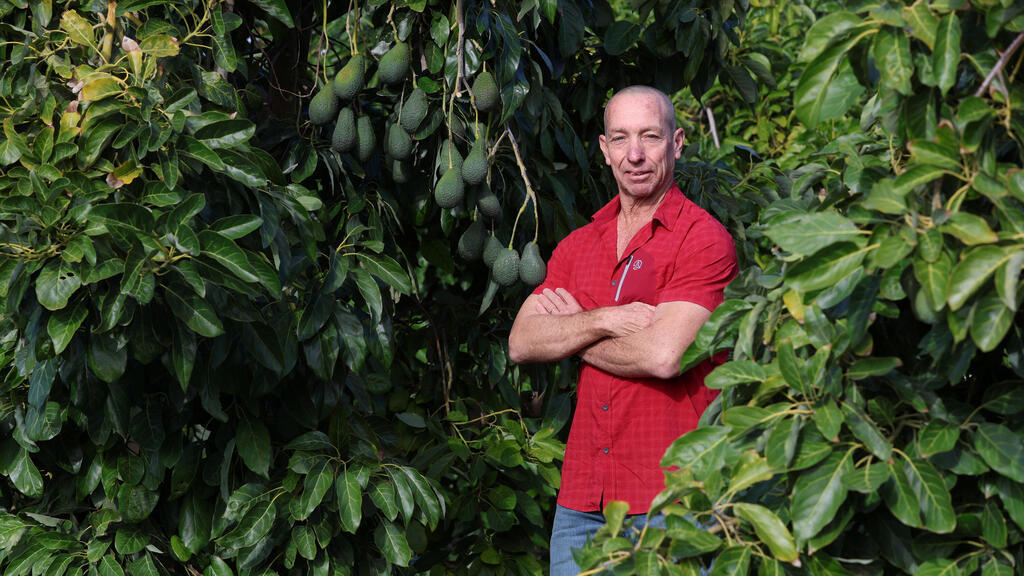
Shahar Goldberg, head of the Avocado Desk at Israel’s Plant Council
(Photo: Elad Gershgoren)
There is plenty of work to do. “Israel has about 160,000 dunams of avocado orchards,” Goldberg says. “It is the country’s leading orchard crop, and every year another 10,000 dunams are planted.” About half the fruit is sold domestically and half exported, mainly to Europe and Russia. In exports, avocado leads the way. According to the Agriculture Ministry’s 2024 summary, 43 percent of Israel’s exported fruit was avocado. Some 127,000 tons were exported last year, 65 percent of all non-citrus fruit, roughly three times the volume of dates and nine times mango exports.
There is no other way to say it. Avocado is today’s orange. The Israeli fruit, an economic engine and a kitchen staple. Orange groves are shrinking and exports are falling. Between 2023 and 2024, citrus exports dropped by a third, while other fruit exports, led by avocado, rose by a third. Since fruit exports are agriculture’s leading export sector, avocado is not just king of fruits. It is currently the undisputed locomotive of Israeli agriculture.
“Most citrus and deciduous orchards have disappeared,” Goldberg says. “In areas like the Zvulun Valley, the coastal plain, the Gaza envelope, around the Sea of Galilee and in the Galilee, avocado dominates.”
Why.
“It suits our climate and soil. Israel is among the northernmost countries growing avocado. It needs water, it is sub-tropical and struggles below zero, but conditions here are good. It is also more profitable than other crops. Costs are relatively low, revenues higher, it needs fewer workers and the fruit can stay on the tree. If you do not harvest today, you can harvest tomorrow.”
We stand in the middle of an orchard on a hill, hills reduce frost risk. A gray sunset descends, clouds hang heavy, rain begins to fall. The trees appear as silhouettes, laden with heavy clusters bending the branches.
In the industry they call it green gold. The average Israeli eats 10 kilograms of avocado a year, second only to Mexico at 12. Global consumption is rising by 5 to 7 percent annually. And it will keep growing. If you picture retirees spreading avocado on dark bread with salt and lemon, you are off the mark. A World Avocado Organisation survey of 5,000 Europeans found nearly half of people under 35 eat about 1.2 avocados a week, compared to 0.8 across the population. US national nutrition data shows avid avocado eaters are young, educated, urban and health-conscious. In Israel, too, most consumers are young adults with average or above-average incomes.
With healthy fats, vitamins and fiber, avocado has become a cornerstone of conscious nutrition. This is not a passing trend. Consumption has risen steadily for years, and those who adopt it young tend to stick with it.
Branches
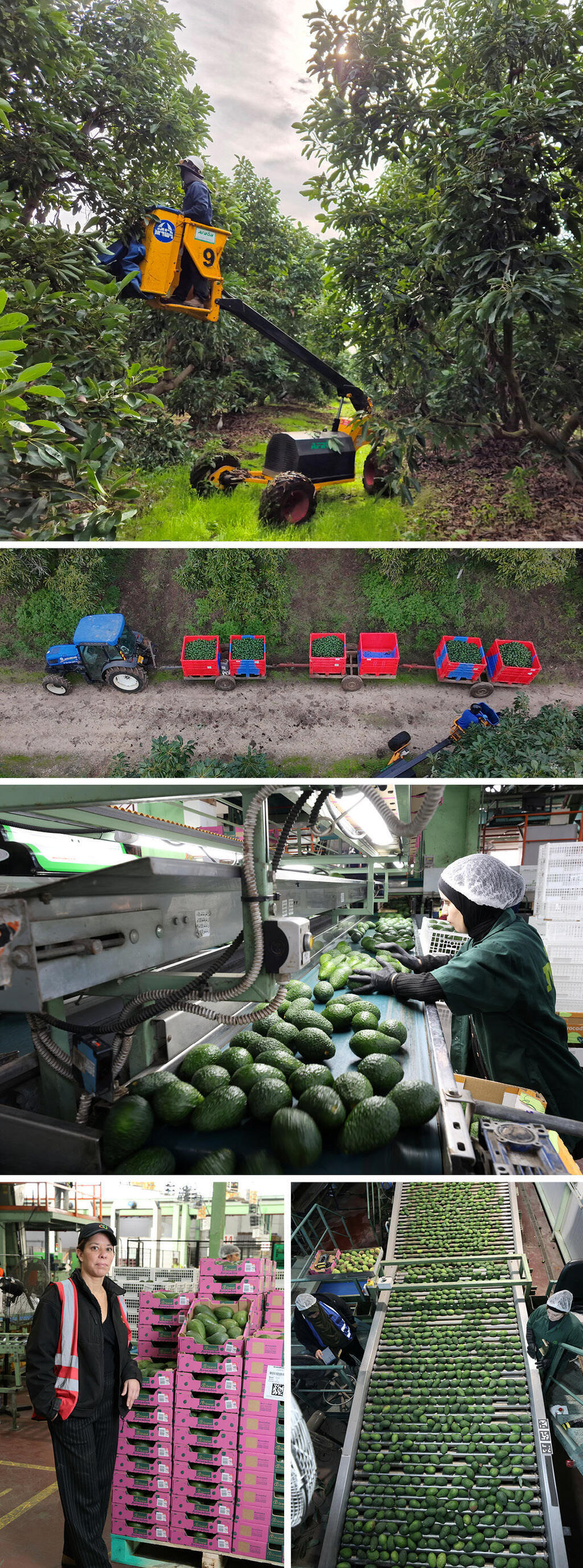
As demand grew, the industry evolved. Research intensified, varieties improved and yields increased. Eyal Shlein walks with me through the organic orchard at Kibbutz Lehavot Haviva in the Hefer Valley. Above us, Thai workers harvest with astonishing speed from a yellow three-legged lift, a futuristic Israeli invention. Herons hover, catching insects exposed as leaves shift.
“Hass is the main variety here, but we also grow Ettinger,” Shlein says, pointing as we walk. Israel grows 12 varieties, enabling year-round supply. “Harvest starts in late August with Galil, an Israeli-developed variety. Then comes Ettinger. Around October we reach Hass, and harvesting continues until April or May.”
The goal is continuity. Avocado on shelves 365 days a year. Reed closes the season in July. A full year of fruit in different shapes, sizes and ripening speeds.
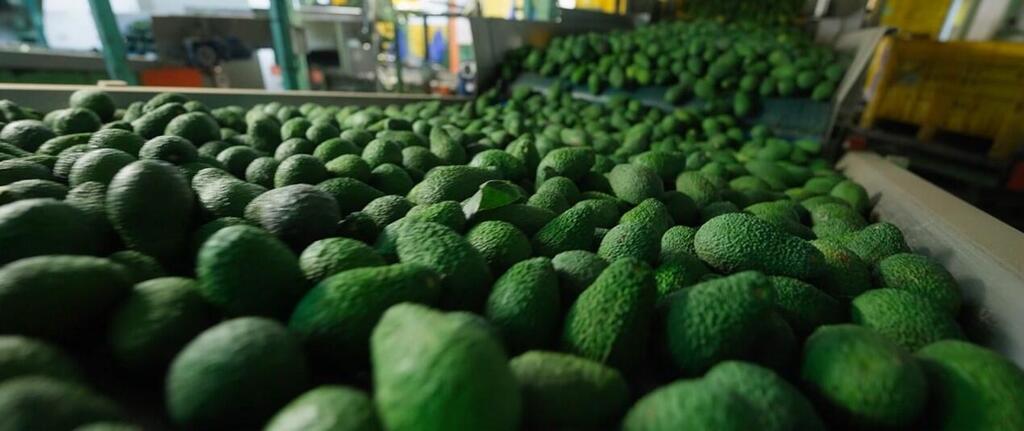
Here too, humans bend nature to convenience. Avocado no longer has a season, though growers still have profit peaks. From October to March, about 70 percent of fruit is exported to Europe and Russia. “In green varieties we are leaders, sometimes almost alone,” Goldberg says. “In black varieties like Hass, we are a major player.”
Europe remains the main market, even through recent political tensions. “When there is a surplus, boycotts are easy. When there is a shortage, people look the other way,” Goldberg says. Some regions will not buy Israeli fruit if origin must be labeled, but overall demand continues to grow.
After many hours with people in the industry, avocado began to please me in a new way. Not just because it is tasty, but because it is encouraging to see something in Israel run properly, with planning, investment and vision.
Trunk
There is solidity to the avocado. At its peak it is creamy, but it never feels weak. The tree itself is strong, as is the industry and the people behind it.
At an orchard near Nir Am in the Gaza envelope, I meet Nimrod Hefetz, 74, a veteran grower. Shelling can still be heard in the distance. He shrugs it off. On October 7, terrorists entered the kibbutz. Five of his friends were murdered, others kidnapped. Days later, he returned to tend the orchards with his son.
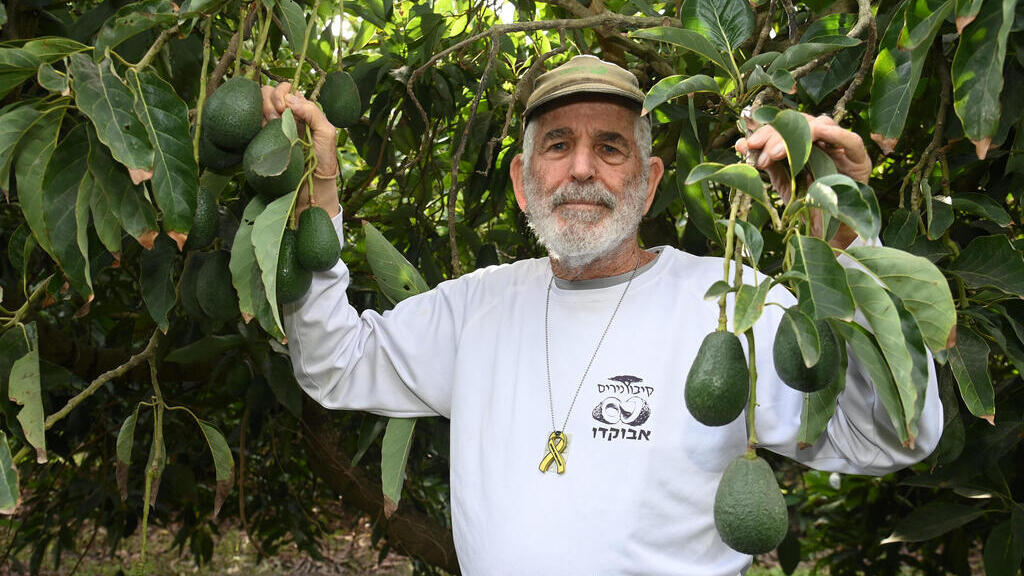
Nimrod Hefetz, 74, a veteran grower
(Photo: Herzl Yosef)
The avocado trees survived. Rehabilitation continues. One surprising step was paving paths from the rubble of destroyed homes. “It is a transition from destruction to life and growth,” Hefetz says.
Roots
The south is the geographic future of Israel’s avocado orchards. Farmers there learn how to protect the tree from cold, fertilize it through delicate interactions of varieties and bees, irrigate it entirely with recycled water and extract more yield. It is science, measurement, planning and optimization. Precision, not intuition.
Canopy
If Israelis have a strong appetite for avocados, growers want even more. “Our goal is 15 kilograms per person a year,” Goldberg says, along with expanded exports to the United States, India and beyond.
For Shlein, technology is the thrill. “This is the most advanced field in agriculture, the high-tech of farming,” he says. “I am in agriculture by ideology, and avocado is the top of the game.”
And so the green gold continues to grow, not just as a fruit, but as a reflection of how humans shape nature, markets and themselves.