

For decades, owning shares in a successful private company came with an implicit condition: liquidity would probably have to wait.
Employees often spent years accumulating equity, while founders and early shareholders saw their holdings appreciate on paper. However, realizing this value typically required a major corporate event, such as an acquisition or IPO.
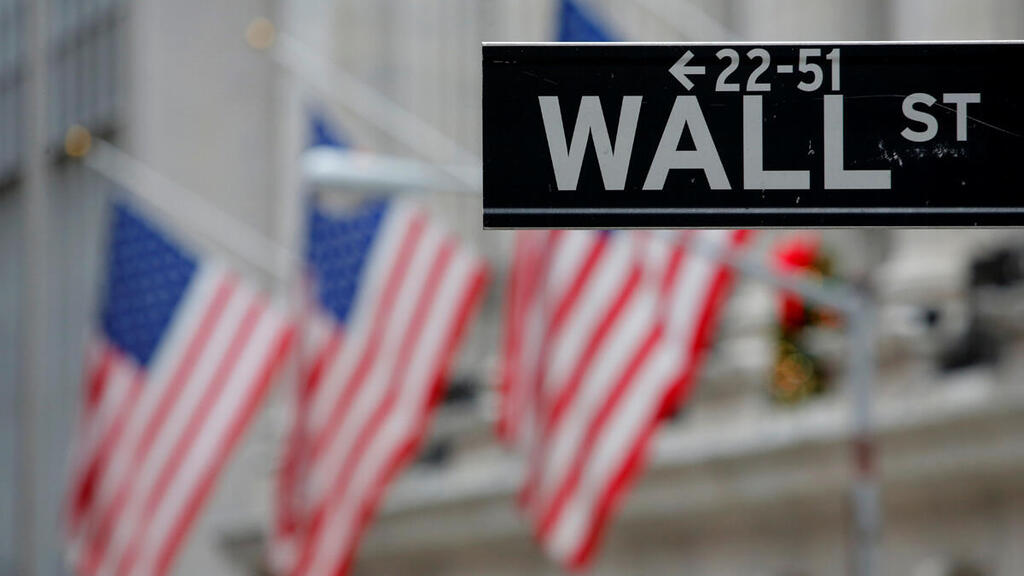
Wall Street
(Photo: Reuters)
This model was more practical when companies went public earlier. Today, the median U.S. company completing an IPO is 15-16 years old, more than double the median age in 1980.
As companies remain private longer, a market is emerging for their shares. Wall Street’s investment activity highlights the growing significance of this market.
In the past year, Morgan Stanley acquired EquityZen, Charles Schwab acquired Forge Global and Goldman Sachs acquired Industry Ventures. While each deal is unique, together they indicate that major financial institutions now see private-market liquidity and access as essential business capabilities.
The implications extend well beyond institutional investors.
The individual shareholder takes center stage
Individual shareholders, including employees, founders and early investors, are central to the direct secondary market. Their financial timelines often do not align with a company’s plans for an IPO or acquisition.
Direct secondary transactions provide an alternative. Existing shareholders can sell private-company shares to other investors, subject to transfer restrictions and requirements, without the company needing to go public or be acquired.
As private-company lifecycles extend, these transactions gain importance. Wall Street is buying into it.
When Morgan Stanley announced its acquisition of EquityZen, the private-share marketplace reported more than 800,000 registered users and over 49,000 transactions across more than 450 private companies. More recent figures published by Morgan Stanley indicate that accredited individual investors have completed more than 52,000 investments across nearly 500 late-stage private companies through the platform.
This combination links EquityZen’s marketplace with Morgan Stanley’s cap-table, workplace, wealth management and investment banking services. It unites infrastructure for shareholders seeking liquidity with a broad network of investors seeking private-market exposure.
Schwab's acquisition of Forge tells a similar story. As of March 2026, Forge reported over $18 billion in transaction volume, more than 32,000 completed trades, and over 890,000 registered users. Schwab brings approximately 38 million active brokerage accounts and plans to introduce Forge’s capabilities to more individual investors and registered investment advisors.
Building the infrastructure for a bigger market
Global secondary-market volume reached a record $240 billion in 2025, up 48% year over year. Another $118 billion in transactions were completed during the first half of 2026, setting a new first-half record.
 The Elephant CEO Chaim SchiffPhoto: Elephant
As the market grows, the infrastructure supporting private transactions is becoming more advanced. Platforms now offer improved pricing estimates, historical transaction data, bids and offers, company intelligence and digital transaction tools. New benchmarks use private-market transaction and valuation data to provide more frequent assessments of late-stage private-company performance.
This is important because private-company shares differ fundamentally from publicly traded securities. Liquidity is often limited, information may be difficult to obtain, transfer restrictions can apply, and investments carry significant company-specific risks.
A more developed secondary market does not remove these challenges, but it can provide better ways to address them.
The bigger story isn't the institutions
While it is easy to view Morgan Stanley, Schwab and Goldman Sachs’s expansion into private markets as a story about institutional finance, the more compelling development is occurring at the individual shareholder level.
At the core of this infrastructure is a straightforward transaction: a shareholder holds an illiquid private asset, and another investor seeks access to that company.
As companies remain private longer, shareholders and investors may spend more years searching for each other. Employees accumulate equity, founders and early shareholders retain their stakes for extended periods, and eligible investors seek opportunities to participate before a public listing. The secondary market increasingly connects them all.