

According to reports by Bloomberg and Bild, the state will invest 200 million euros, take control of parts of the Osnabrück plant, which had been slated for closure, and sign directly with Israeli defense company Rafael. The move is intended to bypass the veto imposed by Qatar’s sovereign wealth fund, which holds a 10.4% stake in Volkswagen.
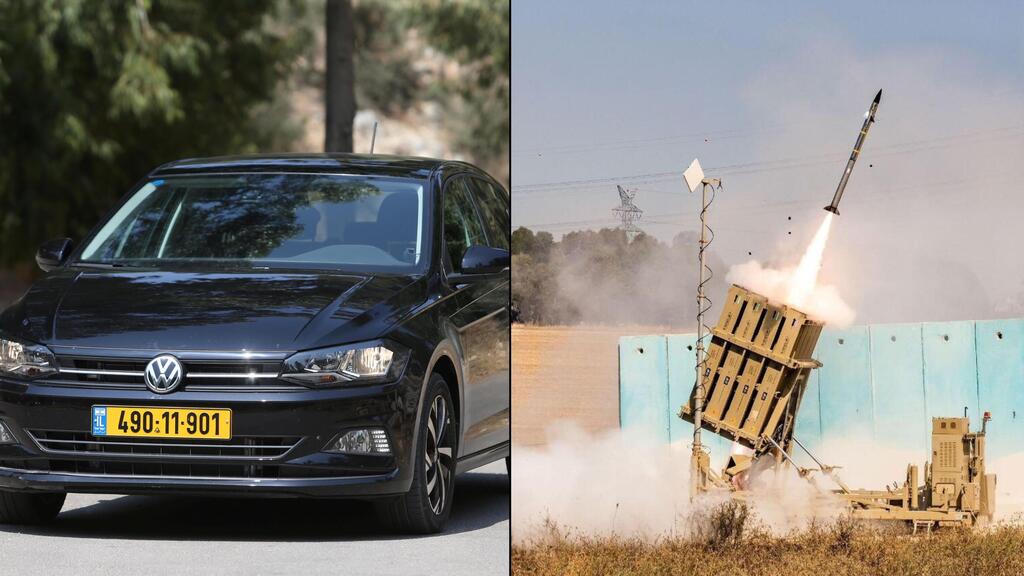
The agreement between Rafael and the government of Lower Saxony is expected to be signed as early as September. According to Bild, it will also include production of heavy trucks, launch systems and generators, in addition to Iron Dome components.
Lower Saxony Premier Olaf Lies said the state is examining whether and how it could take part in a long-term industrial solution for the Osnabrück site.
He said the plant’s highly motivated workforce and strong technical expertise could provide the foundation for a sustainable economic future.
The Osnabrück plant, which is at the center of the deal, employs 2,300 workers who had been expected to lose their jobs in 2023. Instead, the company signed an agreement with Rafael, and the workers could keep their jobs by shifting to production of components for Iron Dome systems.
There were only two problems with that solution.
Peace activists and left-wing parties protested, arguing that Volkswagen should remain exclusively a civilian manufacturer, even at the cost of thousands of German jobs. Those protests became more heated after it emerged that the deal was with an Israeli company.
Left-wing parties and far-left activists argued that the German public could not accept such a deal while Netanyahu’s government was engaged in military activity across the Middle East.

Protests against the expected Volkswagen layoffs; apparently, the Qataris are not too concerned about them
(Photo: Jens Schlüter/AFP)
The second and more significant problem was the opposition of Qatar’s sovereign wealth fund, which holds 17% of Volkswagen’s voting rights. The Qataris vetoed the decision because the company that was supposed to manufacture at the plant is Israeli.
That created a situation in which Qatar, which for years contributed billions to strengthening Hamas, was now using its wealth to prevent Israel from producing systems that could help defend it against attacks by the terrorist organization.
The Qatari move drew sharp criticism in Germany from citizens and public figures who argued that Qatar was exploiting the country’s fragile economic situation in general and Volkswagen’s difficulties in particular to influence German foreign policy, especially on matters related to the Middle East.
All of this comes against the backdrop of the continuing crisis in Germany’s automotive industry and the country’s growing need to produce weapons and ammunition for domestic use and export.
Just this week, a leak from Volkswagen headquarters indicated that the company plans to lay off 50,000 employees, about half of them in Germany.