

The military and civilian cost of the Operation Roaring Lion against Iran and Hezbollah is expected to reach at least 65 billion shekels (about $17 billion), excluding damage to the economy from slower growth, rising inflation, lost investment and delays in construction and infrastructure projects.
The military cost exceeds 50 billion shekels (about $13 billion), while direct civilian costs have reached about 10 billion shekels (about $2.6 billion). This figure does not include direct and indirect damage from missile strikes that have yet to be fully assessed at more than 1,000 sites over 40 days of fighting, or the broader economic losses to businesses that were shut down or are expected to be shut down due to the attacks.
The impact site in Tel Sheva
(Video: MDA)


By comparison, Operation Rising Lion in June last year, which lasted 12 days, cost the Israel Defense Forces, or IDF, and the economy about 22 billion shekels (about $5.8 billion). Compensation for damages from that conflict has still not been fully paid, and total costs are now estimated at about 25 billion shekels (about $6.6 billion).
Costs in the current war are significantly higher due both to the longer duration of the fighting and the higher daily expenses, including in the conflict with Hezbollah. These include a large-scale ground maneuver in Lebanon in recent days. In addition, IDF forces have continued to hold 52% of the Gaza Strip since the ceasefire on Oct. 13, 2025, at a daily cost of tens of millions of shekels.
Cost per day: 1 billion shekels
According to calculations by the financial adviser to the IDF chief of staff, the average daily cost of fighting in Roaring Lion has reached about 1 billion shekels (about $260 million). During the first two weeks, marked by high-intensity strikes in Iran and widespread missile defense across Israel, daily costs reached about 1.8 billion shekels (about $470 million).
Before the ground maneuver in Lebanon, costs dropped to about 800 million shekels (about $210 million) per day. Since the expansion of operations deep into Lebanese territory, daily costs have returned to about 1 billion shekels or more. These expenses include the mobilization of tens of thousands of reservists, munitions use, wear and damage to military equipment, treatment of casualties and classified expenditures, including the use of new and costly weapons systems.
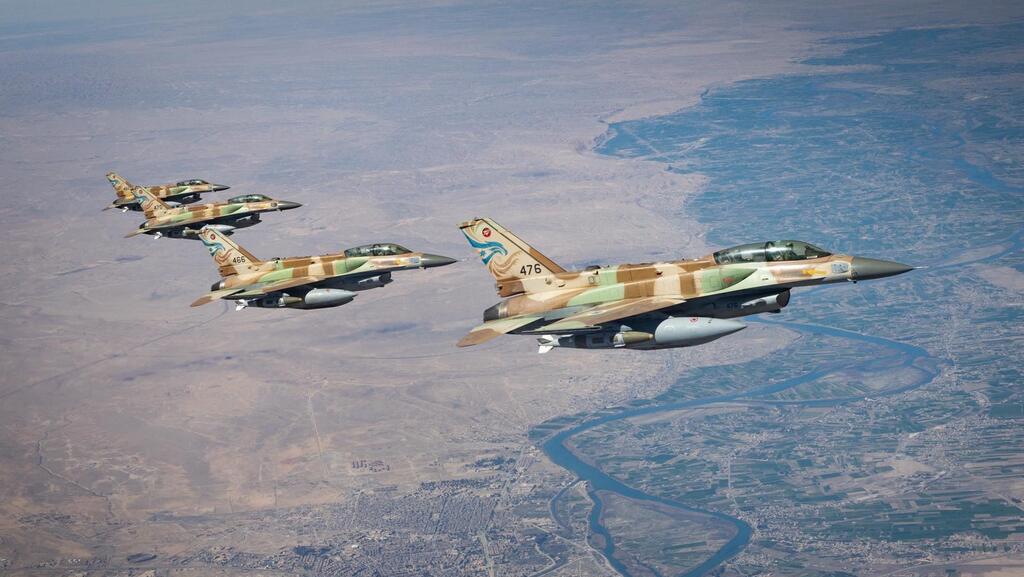
A discussion is expected to be held by the prime minister after the holiday with the finance and defense ministers to determine the size of the budget increase required for the defense establishment following the war. The military is demanding at least an additional 15 billion shekels (about $3.9 billion), including 7 billion shekels (about $1.8 billion) already lacking in recent months for the Defense Ministry’s Rehabilitation Department, which supports wounded service members and bereaved families, due to the high number of casualties since October 2023.
Funding such an increase would require one or a combination of two measures: raising the state budget deficit from 4.9% to 5.6%, or cutting about 2% to 3% from procurement and development budgets across all government ministries. Some national projects are also expected to be delayed, including the planned metro system, construction of new government offices in Jerusalem and investments in roads and rail lines.
Budget changes require a government decision and approval in three readings in the Knesset, Israel’s parliament, which is in recess until May 10.
Civilian war costs total about 10 billion shekels, the vast majority allocated to compensation — primarily for businesses — along with smaller amounts for direct damage, local authorities, farmers, furlough payments and police recruitment.
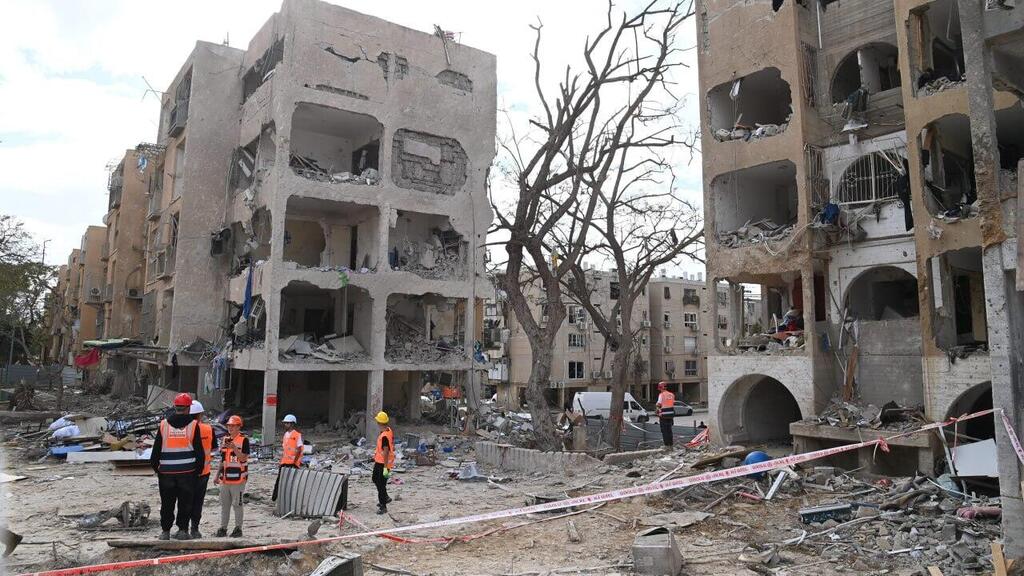
Impact site in Arad
(Photo: Herzel Yosef)
Total war cost since Oct. 7: more than 350 billion shekels
The Bank of Israel said in recent days that the cost of the war from Oct. 7, 2023, through the end of February has reached 352 billion shekels (about $92 billion). To this, the central bank estimates must now be added the cost of the 40-day Operation Roaring Lion on the Iran and Lebanon fronts, as well as at least a 1.5% hit to economic growth, reduced investment due to the shutdown of entire sectors such as tourism, culture and holiday events during Purim and Passover, and a 40% drop in consumption during the fighting.
Officials at the Finance Ministry and the National Insurance Institute, Israel’s social security agency, told Ynet that most furlough payments — up to 70% of wages — for employees absent for 10 days or more in the business sector are expected to be paid starting April 12. Payments are expected to cover mainly absences in March, as April included multiple holidays and fewer working days.
In addition, once the Home Front Command and the government formally announce the end of the war, furlough payments are also expected to end. However, under legislation passed by the Knesset for the current operation, the government can reinstate furlough payments in emergency situations through an expedited process without new legislation through the end of 2027.