

Water scarcity is rapidly emerging as one of the defining global challenges of the coming decades, driven by climate change, population growth and aging infrastructure. From Southern Europe to parts of the U.S., China and the Middle East, prolonged droughts and record-breaking heatwaves are straining water systems and forcing governments to impose restrictions.
The UN has warned that by 2030, global demand for freshwater could exceed supply by up to 40%, raising concerns about food security, economic stability and geopolitical tension.
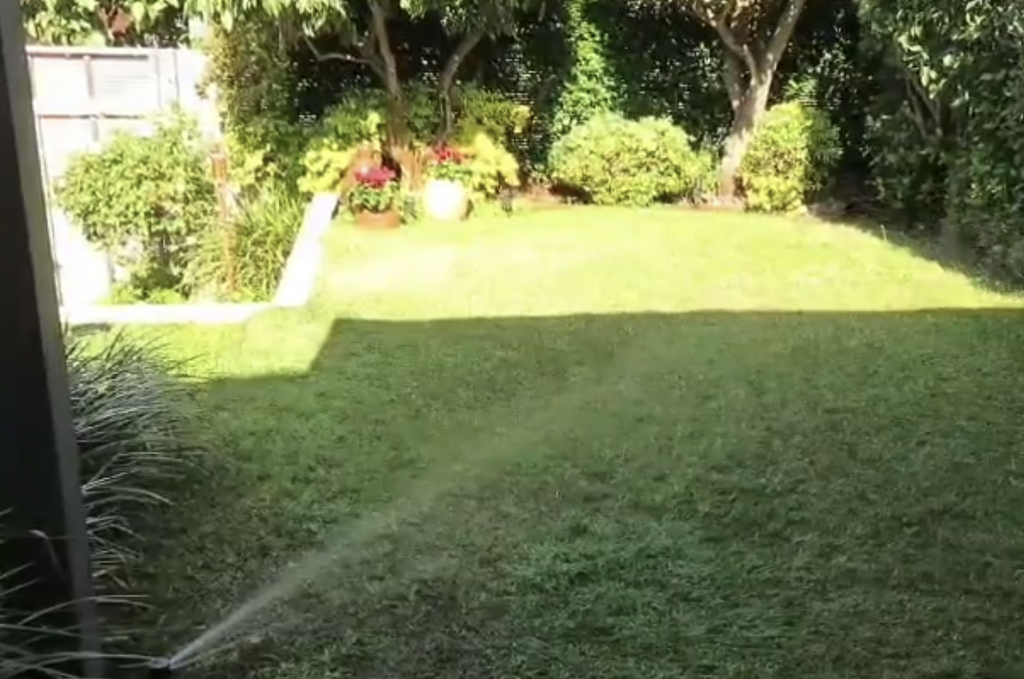
Agriculture remains at the center of the crisis, accounting for roughly 70% of global freshwater use. Yet a significant portion of that water is lost not only through leaks and evaporation but also through inefficiencies in irrigation system design. Traditional sprinkler setups often rely on multiple overlapping units to ensure coverage, leading to overwatering in some areas and wasted water outside the intended zone.
As water becomes more scarce and costly, attention is shifting toward reducing this inefficiency. One emerging approach focuses not on adding digital monitoring or complex control systems, but on improving the mechanics of irrigation itself.
Israeli startup BSprinkler has developed a sprinkler that looks similar to standard systems but operates differently. Using a patented mechanical mechanism, the sprinkler can adjust its range dynamically during rotation and be configured to match the exact shape of a given area, even if it is asymmetrical. The system requires no electricity or electronics and retains its settings through a mechanical “memory.”
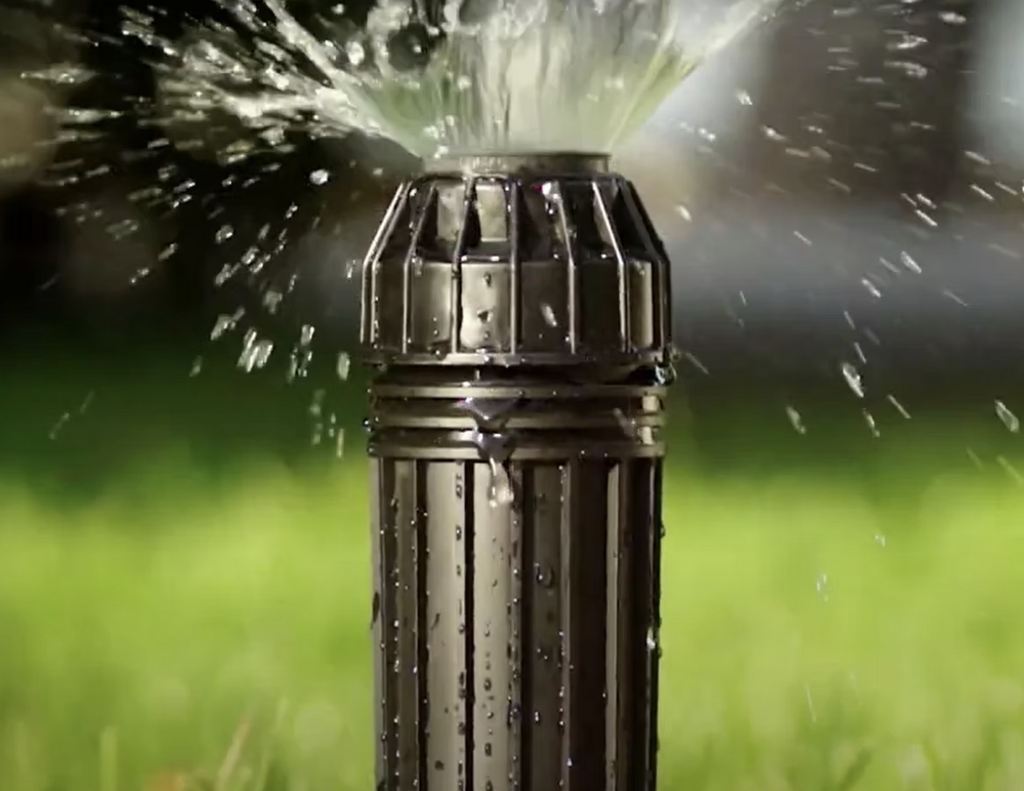
Irrigation sprinkler
(Photo: BSprinkler)
The result is a single sprinkler that can replace multiple conventional units, significantly reducing overlap. In typical irrigation layouts, the same area may be watered by several sprinklers simultaneously, leading to water levels far beyond what is required. By eliminating these overlaps and preventing watering outside the designated area, the system can reduce water use by substantial margins.
“In aviation, managing resources precisely is the difference between success and failure,” said Yuval Nemirovsky, founder and CEO of BSprinkler and former IAF Pilot. “Irrigation shouldn’t be any different. When you see multiple sprinklers watering the same spot, or water spraying outside the intended area, that’s inefficiency we can no longer afford.”
The company’s technology has already seen commercial validation, with close to 200,000 units sold in earlier versions through international distribution, primarily in the United States. Its newer development focuses on standard pop-up models commonly used in residential and urban landscaping, with the aim of integrating the technology into mainstream irrigation systems.
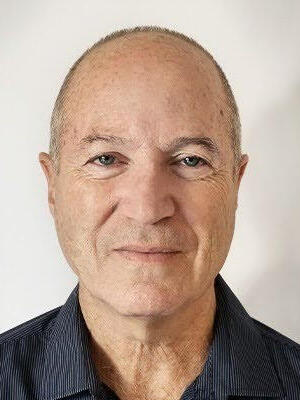 Yuval Nemirovsky, founder and CEO of BSprinklerPhoto: Bsprinkler
The push toward smarter water use reflects a broader shift in how governments and industries approach the crisis, moving away from simply increasing supply through desalination or reservoirs, and toward improving efficiency. While digital and sensor-based solutions continue to evolve, mechanical innovations that reduce waste at the source are gaining renewed attention for their simplicity, reliability and cost-effectiveness.
Looking ahead, the future of water management is likely to depend less on finding new sources and more on using existing ones more intelligently. As the gap between supply and demand widens, solutions that minimize waste, whether through advanced analytics or fundamental redesign of infrastructure, are expected to play a central role.
In that context, innovations like BSprinkler highlight a practical shift: rethinking not just how much water is used, but how it is distributed, ensuring that every drop reaches where it is needed, and nowhere else.