


She lost her family, friends and professional opportunities because of her Jewish identity and outspoken support for Israel. Yet Bellamy Bellucci, a Black transgender woman who converted to Judaism and made aliyah, says Israel is the only place in the world where she truly feels safe.
"The more you're hated, the more Jewish you should be," she declared during a powerful and deeply personal conversation on Episode 31 of ALL CAPS, challenging conventional narratives about identity, belonging and Zionism.
ALL CAPS Episode 33


Bellucci, also known as Shoshana Aliyah, joined host Nitsana Darshan-Leitner and panelists Sarai Givaty, Titi Ayanaw and India Naftali for an episode that moved between personal identity and national accountability. The discussion also confronted the unanswered questions surrounding October 7, accusations of international media bias, the influence of controversial online personalities and the divisions within Israeli society. From the personal cost of standing up for Israel to the national challenge of rebuilding trust, the episode explored what happens when convictions are tested and the pressure to remain silent becomes impossible to ignore.
One of the episode's most serious discussions centered on the continued demand for an independent investigation into the failures that preceded the October 7 Hamas attacks. Reflecting on a recent gathering of survivors and families affected by the attacks, India Naftali said that three years later, many are still waiting to understand what went wrong and who should be held accountable. "We want the truth. We want to know what happened and what led to the October 7 attack," she said, recounting the message she heard from survivors. While the military has conducted its own investigations, Naftali questioned why accountability should end there, arguing that the government and political leadership must also face scrutiny.

Darshan-Leitner, who represents families of victims, added that many relatives still lack basic information about the individuals responsible for murdering their loved ones. She described families living for years without access to details held by Israeli authorities, emphasizing that the right to know extends beyond the military's internal investigations. The panel agreed that uncovering the truth was not only a matter of justice for victims but also essential to rebuilding public trust and preventing another national catastrophe. "Accountability cannot stop at the military level, and the families deserve an answer," Naftali said, arguing that without a full understanding of the failures, promises that such an attack will never happen again remain difficult to guarantee.
The episode's featured guest, Bellamy Bellucci, also known as Shoshana Aliyah, shared a deeply personal account of her journey from a Christian upbringing in South Africa to conversion to Judaism and eventually aliyah. A former professional ballerina and model who spent years living in New York, Bellucci explained that her introduction to Jewish life began through friends and teachers in the classical ballet world.
Although raised in a deeply religious Christian family, she said she never felt entirely connected to the faith in which she grew up. Her first visit to Israel in 2011 became a turning point. "It was my dream to come to Israel, and something physically happened to me when I went to Jerusalem. I cannot explain it," she recalled. After returning to New York, she began searching for a Jewish community, eventually finding a rabbi and completing her conversion.
But her decision to embrace Judaism and publicly support Israel came with consequences. Bellucci revealed that she no longer has a relationship with her family, a separation she attributes to their inability to accept her identity and Zionist beliefs.
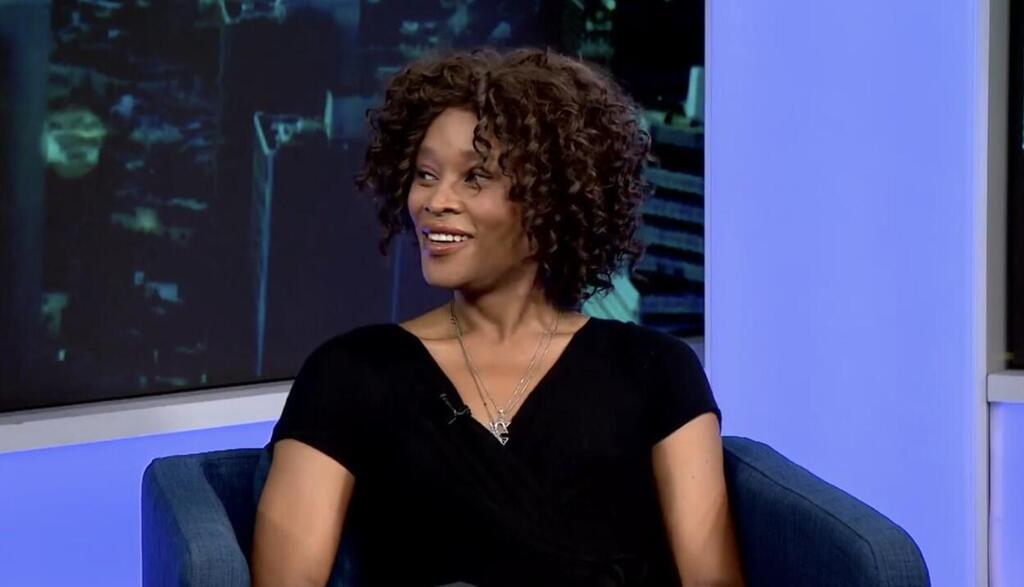
Bellamy Bellucci
"I have no relationship with my family at all," she said, explaining that the distance was not her choice. She also described losing professional opportunities, friendships and connections within the Jewish community because of her outspoken support for Israel. Even within the ballet world, where she had spent much of her professional life, she said her political views led to exclusion. Despite those losses, Bellucci no longer feels the need to apologize for who she is.
Her identity as a Black transgender Jewish Zionist, she explained, often challenges the assumptions others make about race, religion, gender and political beliefs. "It blows people's minds because they don't understand how I can be all of those things at once and still be who I am," she said. For Bellucci, refusing to fit into categories imposed by others has become a source of personal freedom. She described years of being told what she should believe based on her background, before eventually deciding that the expectations of others would no longer determine her choices.
Asked why she chose to move to Israel despite its security challenges, Bellucci offered an answer that surprised the panel. "This is the one place I feel safe," she said. After spending more than 17 years in New York, she described Israel as the first place where she could openly embrace her Jewish identity without feeling the same fear she experienced abroad.
Now living in Jerusalem, Bellucci spoke about the unexpected sense of family she has found in Israeli society, particularly after losing contact with her relatives. "The sense of belonging is incredible," she said, describing how neighbors and friends have become a support network. Even the sometimes intrusive nature of Israeli society, she explained, has become something she values because it reflects a sense of shared responsibility.
While many Israelis might assume Tel Aviv would be a more natural home for someone with her background, Bellucci said Jerusalem is where she feels most connected. "I always say it's like when I'm a Tesla and I get charged in Jerusalem," she joked, explaining that entering the city gives her an almost physical sense of renewal. The conversation also turned to movements such as Queers for Palestine.
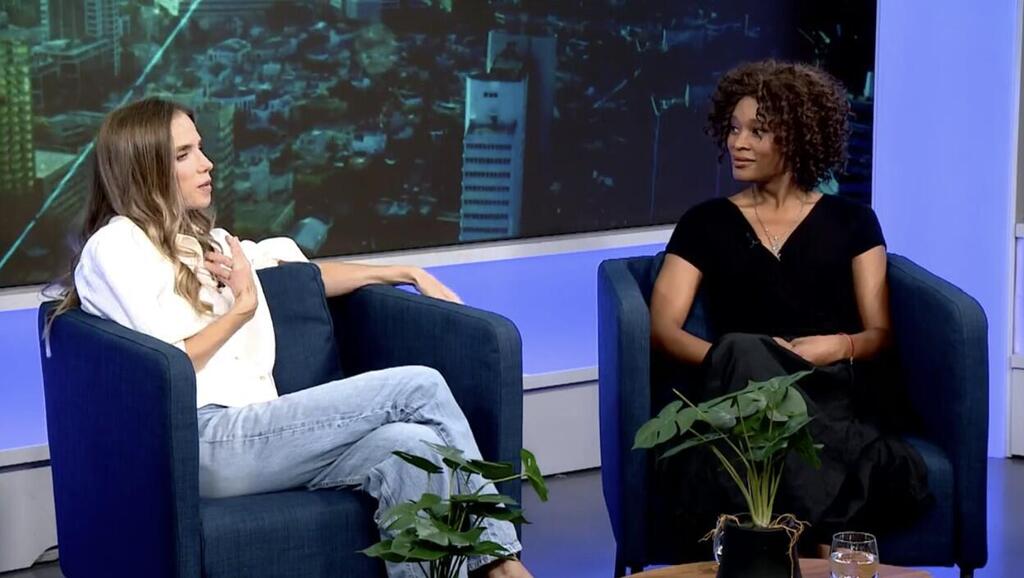
Asked how she reconciles LGBTQ activism with support for the Palestinian cause, given restrictions on LGBTQ rights in Palestinian society, Bellucci strongly criticized the movement. She argued that some activists identify with causes through a shared perception of oppression, suggesting that the desire for acceptance can shape political allegiances even when those allegiances appear contradictory. Her comments prompted a broader discussion about identity politics, activism and the difference between solidarity and ideological conformity.
Looking ahead, Bellucci expressed confidence in Israel's future, arguing that Israelis should stop seeking approval from the international community. "The more you're hated, the more Jewish you should be," she said, encouraging Israelis to embrace their identity with pride. When asked what she envisioned for Israel's future, her answer was a single word: "Victory." She explained that genuine confidence would come when Israelis recognize their own capabilities rather than relying on outside validation. For someone who has lost relationships and professional opportunities because of her beliefs, that conviction has become central to how she approaches life in Israel.
Earlier in the episode, the panel examined what its members described as unequal international media attention to violence against different communities. A viral exchange between Polish politician Dominik Tarczyński and broadcaster Piers Morgan sparked a discussion about extremism in Europe, violence against Christians and the media's priorities. The conversation expanded to attacks on Christians in the Middle East and the way international outlets cover Palestinian violence against Israelis. Panelists argued that coverage of Israeli military responses frequently receives more attention than the attacks that precede them, potentially leaving audiences without important context.
The discussion also touched on reporting from Hebron and the terminology news organizations use when describing terrorism, with the panel criticizing headlines it believed portrayed Israel primarily as an aggressor. Throughout the exchange, the hosts returned to a central question: Who determines which victims receive international attention, and how does the language of reporting influence public understanding? The panel argued that the framing of a headline can shape perceptions long before readers reach the details of a story, particularly when incidents involving Israelis are presented without the circumstances that led to a military response.
The panel later turned its attention to political streamer Hasan Piker, a prominent online personality and outspoken critic of Israel. The discussion featured clips of Piker's past remarks and an interview in which comedian Ziwe confronted him with a series of controversial statements on subjects ranging from terrorism to political violence. The hosts questioned why figures who make inflammatory statements can continue attracting enormous audiences and gaining influence in mainstream political conversations.
Rather than focusing solely on Piker, the discussion broadened to the responsibilities of media organizations, social platforms and political movements that amplify controversial personalities. The panel argued that online popularity does not necessarily reflect credibility and raised concerns about how extreme rhetoric can become normalized when it generates attention and engagement.
Despite the episode's often heated discussions, ALL CAPS ended on a more hopeful note. The panel watched a viral video of young Israelis singing Shir LaShalom, the iconic Israeli song for peace, at the InDnegev Music Festival. The performance prompted a conversation about whether Israelis can rebuild unity after years of war, political division and national trauma. "We didn't lose the hope for peace," one panelist said, while others argued that the first challenge was restoring a sense of solidarity within Israeli society itself.
The discussion returned to the extraordinary civilian mobilization following October 7, when ordinary Israelis organized assistance, opened their homes and supported one another during the country's darkest days. For the panel, those experiences demonstrated that the foundations of unity remain, even if political disagreements continue to divide the country. While some suggested that a new government could help restore confidence, others argued that the divisions run deeper than politics and that meaningful reconciliation would require Israelis to rediscover the sense of shared responsibility that emerged during the national emergency.
From Bellucci's journey of faith and belonging to the families still seeking answers about October 7, Episode 31 ultimately explored different expressions of the same question: What does it mean to stand by your identity, your principles and your country when doing so comes at a cost? As the panel concluded, the challenge for Israel may be not only defending itself against external threats, but also rediscovering the solidarity that has helped its people endure.
Watch the full episode of ALL CAPS featuring Nitsana Darshan-Leitner, Sarai Givaty and India Naftali for more unfiltered conversations, exclusive interviews and analysis of the stories shaping Israel and the Jewish world.
To learn more about Shurat HaDin's efforts to fight terrorism and defend Israel through legal action, visit Shurat HaDin – Israel Law Center.