

After an increase in vehicle deliveries in 2025, Israel’s car market opened 2026 on a more subdued note. A total of 41,600 new cars took to the roads in January, an 11% decline compared with January last year.
As usual, the figure does not include buses, trucks, two-wheeled vehicles or cars imported through personal or parallel channels.

Hyundai returned to the top of the market with nearly 5,000 deliveries, despite a 10% year-on-year decline. In second place, under the same importer, Chinese brand Jaecoo posted a meteoric rise of about 140%, completing a strong opening month for most Chinese brands.
Chery and BYD also ranked in the top 10 after registering significant growth, while MG recorded a sharp decline.
Changan’s Deepal was surprised by reaching 11th place, ahead of Suzuki, which belongs to the same importer group. South Korean brand KGM also secured a notably high position.
Strong gains were recorded by Citroen, Mercedes after a particularly weak year, Geely and Opel, which climbed to 22nd place with a 270% increase, ahead of sister brand Peugeot. Chinese brand Leapmotor rose 74% to 26th place.
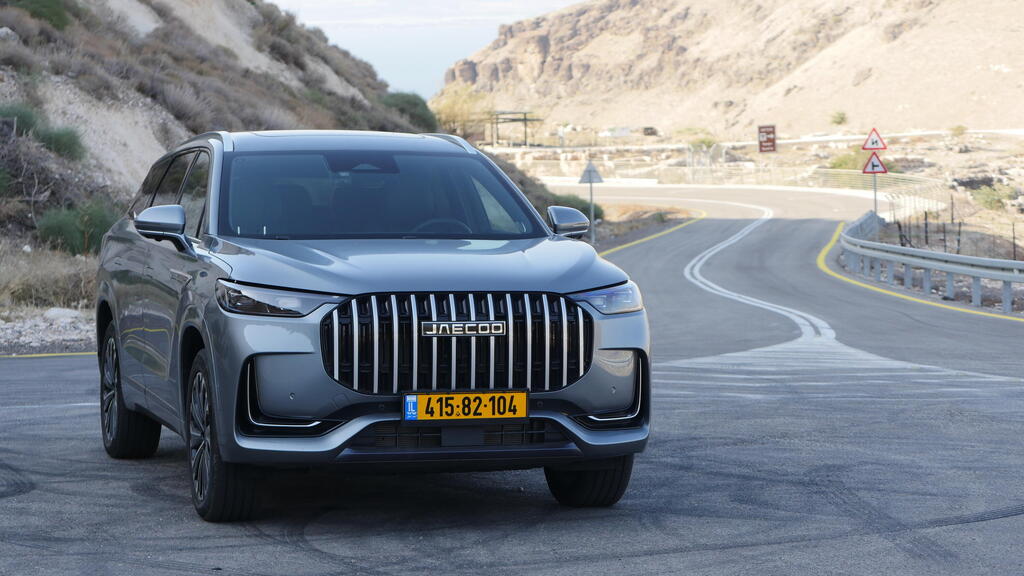
Jaecoo
(Photo: Noam Rhein)
By contrast, several established brands saw steep declines. Mazda fell from 3,200 deliveries in January last year to just 300 this January, a 91% drop, plunging from fifth place to 29th.
Seat recorded a 73% decline, while Subaru, Nissan and Cupra each fell by 60%. Volkswagen, Mitsubishi and Xpeng posted declines of about 40%.
More Chinese, fewer EVs: Chinese-made vehicles continued to strengthen their position, accounting for 38% of all deliveries in January. South Korean brands held steady with a 20% market share, while Japanese brands fell from 16% last year to 11% this year.
Electric vehicles, however, dropped to just 9.5% market share, half their level a year earlier. Changan led EV deliveries with 636 units, followed by BYD with 563 and Xpeng with about 500. Tesla did not deliver a single vehicle.
Hybrids accounted for 28% of the market, led by Hyundai and Toyota with about 3,500 deliveries each, followed by Kia and Chery with about 1,100 each.
Plug-in hybrids continued to climb, reaching a 23.5% market share, with clear dominance by Chery Group brands. Jaecoo delivered 3,900 plug-in hybrids and Chery delivered 2,500. BYD added another 1,900 plug-in hybrid vehicles.
Overall, 61% of all cars sold in January used some form of electric propulsion.