

A study conducted at Stanford University reveals that dynamic and variable driving—including regenerative braking and a mix of low and high load conditions—significantly improves battery life, by up to 38%. The study was carried out over two years on 92 battery cells across 47 different discharge patterns, ranging from gentle low-speed cruising to full-throttle acceleration.
According to the research, batteries exposed to mixed driving conditions—including brief bursts of high-speed acceleration, frequent starts and stops, and variable cruising speeds—lasted longer than those discharged at a constant and steady current.
In numerical terms, dynamic and vigorous driving yielded over 1,600 full charge-discharge cycles before the battery’s state of health (SOH) dropped below the 85% threshold. In contrast, steady driving brought the battery to the same threshold after only 1,400 cycles.
Get the Ynetnews app on your smartphone: Google Play: https://bit.ly/4eJ37pE | Apple App Store: https://bit.ly/3ZL7iNv
Researchers attribute the difference to the fact that constant-speed driving puts strain on the battery’s positive electrode, while dynamic driving applies more balanced and evenly distributed stress across battery components, contributing to a longer lifespan. It is important to note, however, that aggressive acceleration depletes the battery faster than calm, low-speed driving.
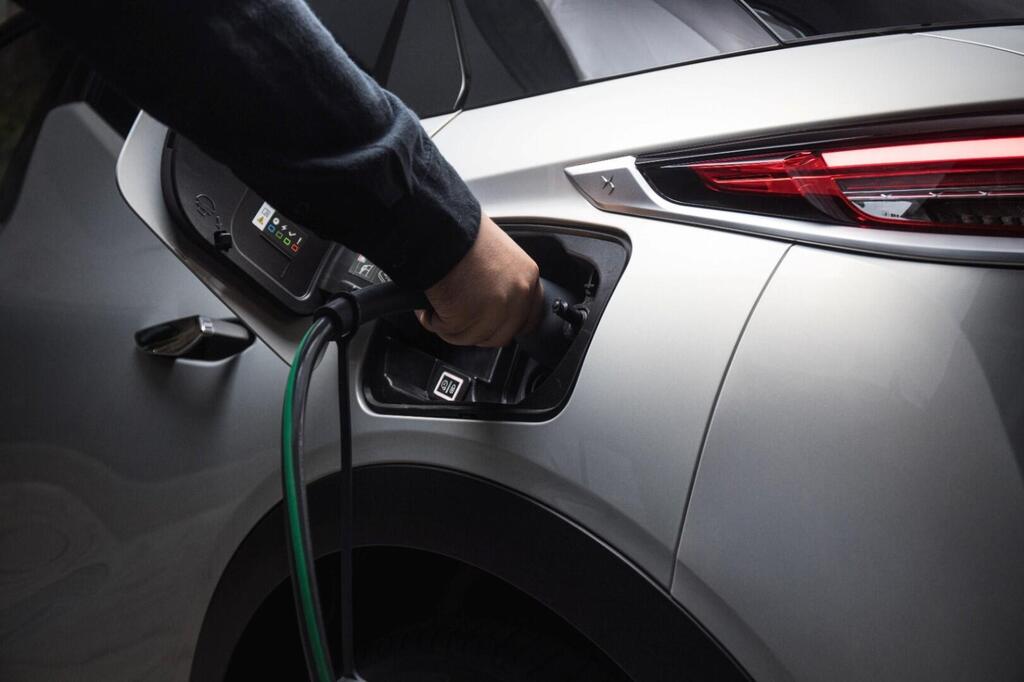
According to most family car manufacturers, one of the safest ways to prolong battery life is through slow, at-home charging (rather than using fast chargers located along highways).
First published: 19:48, 07.15.25