

Electric vehicles from Western, Korean and European manufacturers, once top sellers in Israel just two years ago, are largely unavailable from importers, Ynet's sister Calcalist recently reported.
The Israeli market's focus targeted “affordable” models priced between 180,000 shekels ($47,000 USD) and 250,000 shekels ($65,000 USD) three years ago, a range Israeli buyers were then willing to pay for electric cars.
Three years ago, Israel’s car market buzzed with demand for models like the Hyundai Ioniq 5 and Tesla Model 3. Buyers placed orders with long delivery times due to global demand, paying deposits of 2,000 to 3,000 shekels ($600-890) and reselling their “reservation rights” at a premium.
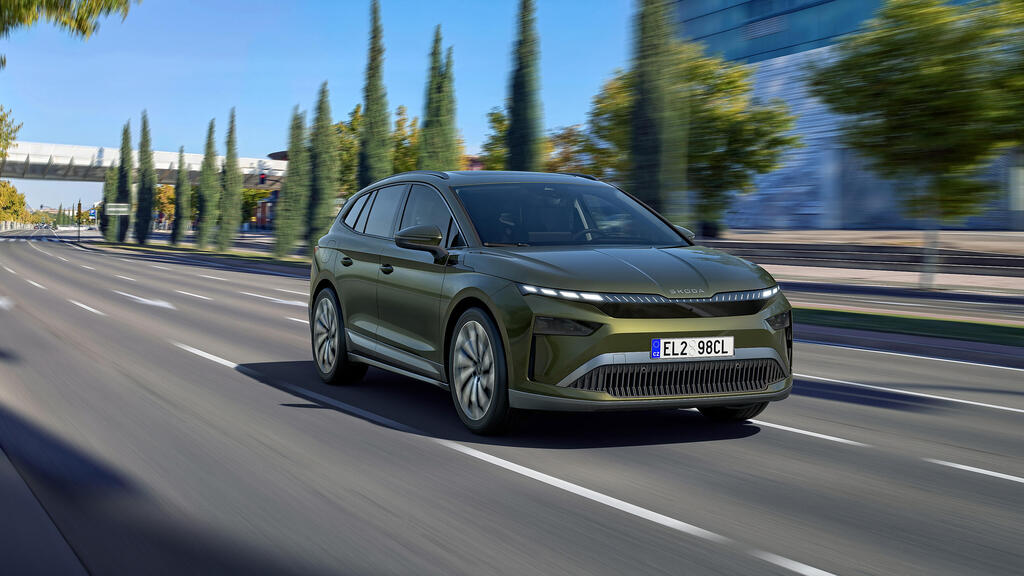
Non-Chinese brands like Tesla, Hyundai Ioniq 5 and Skoda Enyaq topped Israeli wish lists, driven by enthusiasm for electric vehicles. On Wednesday, Calcalist found these models are no longer offered by importers, either temporarily or permanently. Manufacturers haven’t discontinued them globally, but they’re absent from Israel.
Some are paused awaiting new versions, while sales staff promise callbacks when models return, if ever. This applies to non-Chinese-made electric vehicles, unlike Western brands like Volvo, which produce in China.
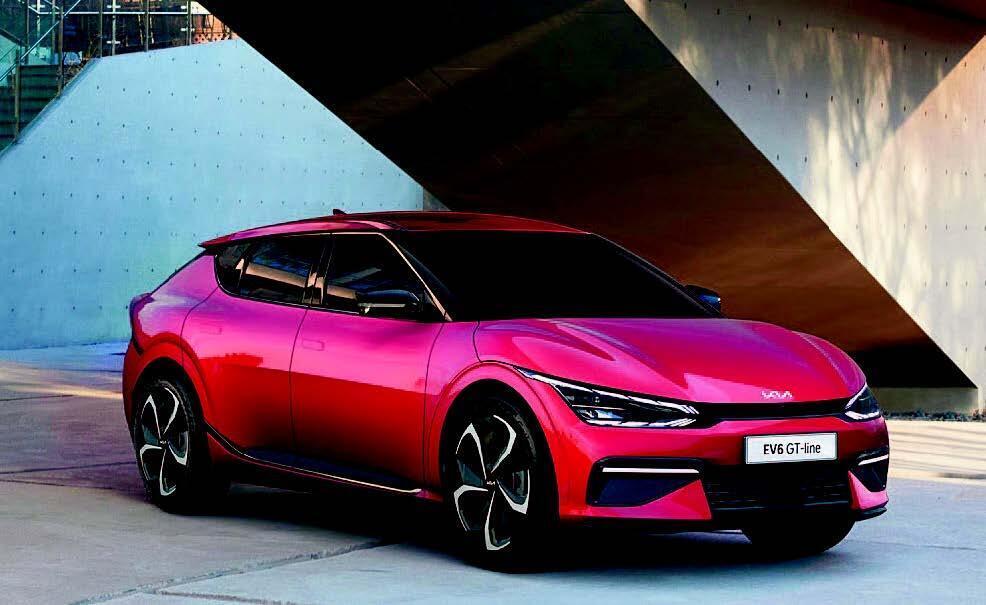
Kia EV 6
(Photo: Courtesy)
For instance, Toyota’s only electric model in Israel, the bZ4x, is missing from the importer’s website, replaced by a note saying, “There’s no certainty on the bZ4x delivery timeline.” Similarly, Skoda’s Enyaq lacks a listed price, with imports frozen, possibly resuming next year.
Hyundai’s Ioniq 6 is down to one trim, Elite, at 275,000 shekels ($81,653), with others marked “no delivery expected.” Kia’s EV6 and Volkswagen’s ID.4 are offered only as “first-hand zero-kilometer” stock, meaning vehicles over a year old.
Get the Ynetnews app on your smartphone: Google Play: https://bit.ly/4eJ37pE | Apple App Store: https://bit.ly/3ZL7iNv
The absence of these models signals a near-erasure of this category in Israel’s market. Electric vehicles remain expensive, and new units are unavailable from dealerships. Importers cite various reasons, including declining electric vehicle sales, making imports unprofitable.
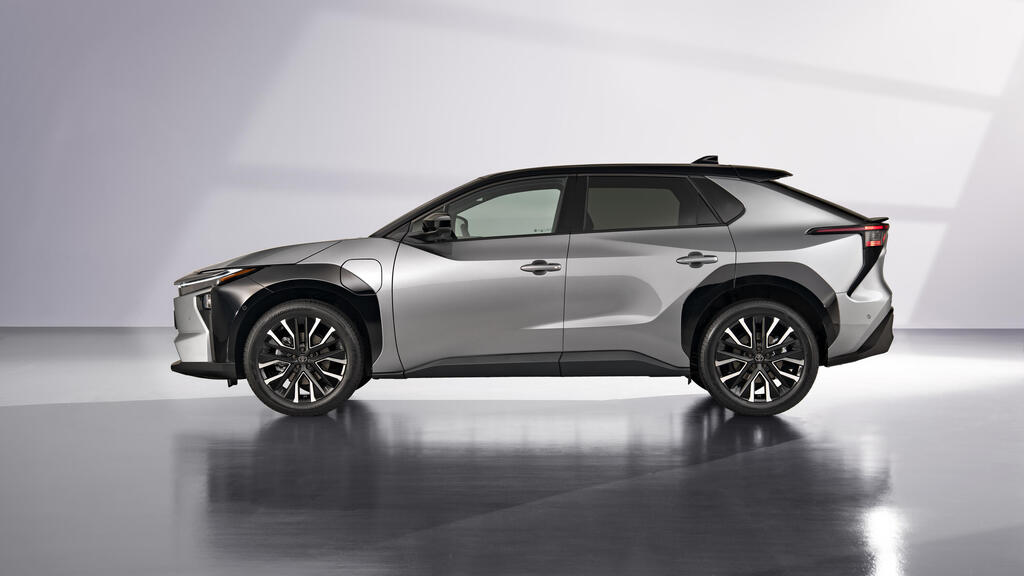
Toyota BZ4X
Chinese manufacturers, however, offer better-equipped, technologically advanced vehicles at lower or comparable prices, outpacing Western competitors. “From a branding perspective, many Israelis see no need to pay more for European or Japanese electric cars,” the investigation noted, especially as some Chinese models match Western pricing.
China’s dominance in Israel’s electric vehicle market stems from a clear technological edge, quietly sidelining other manufacturers. Two major importers are now gearing up for competition with the Geely JAC 5 and Chery Tiggo 4 Hybrid, targeting the SUV segment with hybrid models under 140,000 shekels ($41,500) and electric ones at 150,000 shekels ($44,538).
As these gain traction, affordable Chinese technology is poised to reshape the market, much as it has already done with electric vehicles, potentially challenging Western brands across other segments.