

Yes, all of Marvel Studios’ chips are riding on the new Avengers film — the fifth Avengers movie and the 39th (!) entry in the Marvel Cinematic Universe. But why is the bet so high this time? Why all the drama? It’s a fair question. The answer lies in a quick look at the MCU’s output since the end of Phase Three of Kevin Feige’s monumental project — the films released after the record-shattering one-two punch of Avengers: Infinity War and Avengers: Endgame.
In between those two hugely successful tentpoles, which were supposed to close the Avengers saga, Marvel also released a clunker called Captain Marvel, which was meant to shake the foundations of the studio’s strategic plan. The film made money despite its shortcomings, and complacency — along with faith in the power of the franchise — won out. From 2020 onward, the Marvel machine churned out a string of films that were mediocre at best and outright bad at worst.
Among them: Black Widow, Shang-Chi and the Legend of the Ten Rings, Eternals, Thor: Love and Thunder, Black Panther: Wakanda Forever, Ant-Man and the Wasp: Quantumania, The Marvels (alas), Captain America: Brave New World (double alas), Thunderbolts and, of course, Fantastic Four — a film that reportedly cost around $300 million and, in the name of all that is holy, stands as a case study in how to destroy a legacy by clinging fearfully to a worn-out formula and avoiding risks that might have taken the franchise somewhere new and interesting.
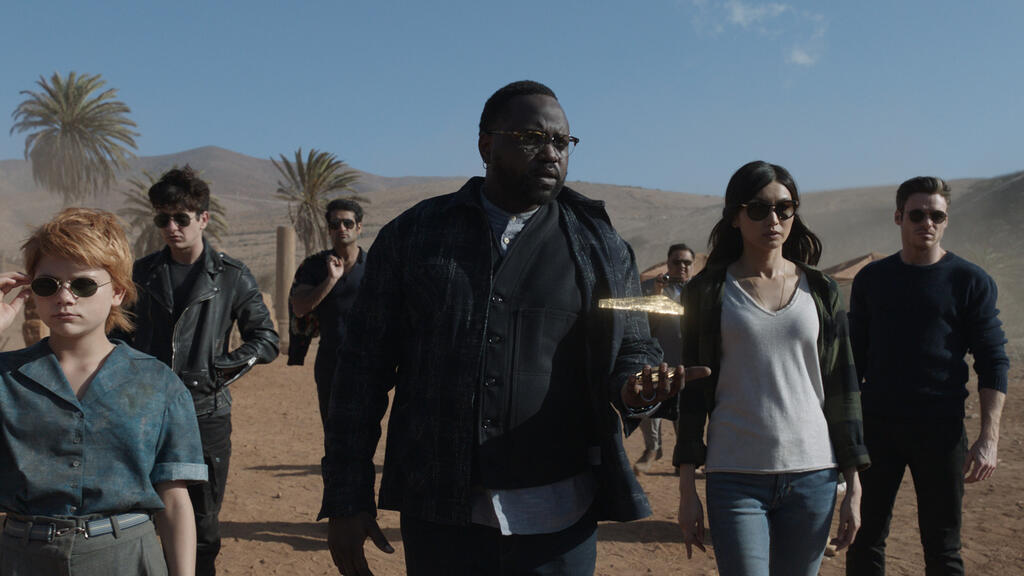
To be fair, there were occasional bright spots. The charming Spider-Man films starring Tom Holland were box office hits. Sam Raimi delivered style and horror in Doctor Strange in the Multiverse of Madness. James Gunn came through with Guardians of the Galaxy Vol. 3. Ryan Reynolds injected anarchic new blood with Deadpool & Wolverine, which also posted impressive box office numbers. But these were exceptions. Most recent MCU films disappointed both financially and in terms of buzz and cultural relevance. At the same time, Marvel’s TV output largely fizzled as well, with a series of baffling or unnecessary projects — with the notable exception of the fresh and inventive WandaVision.
In short, the MCU has been in trouble for about seven years now. Which is why all eyes are on Avengers: Doomsday — a film that, without exaggeration, could save the entire brand. Or kill it for good.
The new mutants: grandparents
Anyone who needed a visual illustration of the panic inside Marvel headquarters got it in July 2024 at San Diego Comic-Con, when Robert Downey Jr. removed Doctor Doom’s mask onstage and revealed that he would be playing the iconic villain in Avengers: Doomsday and beyond. Yes — the actor who launched the MCU with Iron Man in 2008, became its biggest star and whose character was killed off with maximum pathos in Avengers: Endgame — is being brought back to play a different major role.
The equivalent? Imagine Harrison Ford, after finishing with Han Solo, returning to play Senator Palpatine in the second Star Wars trilogy. Ridiculous? Worrying? Smelling strongly of desperation and fear? Yes, yes and yes. Marvel executives called Downey Jr. “the one man who could play Doom.” They might as well have said, “the one man who could save our struggling media franchise.”
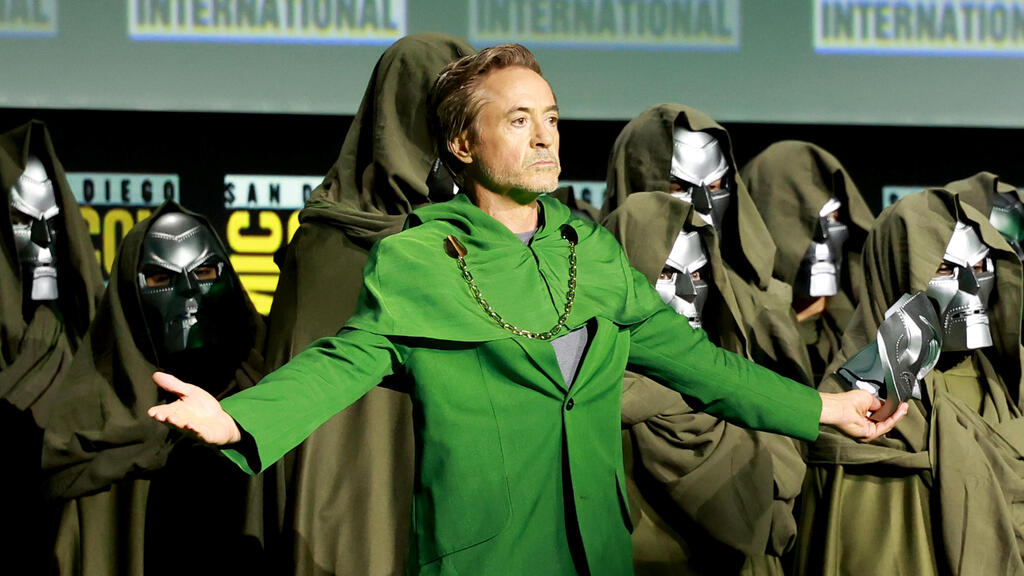
Robert Downey Jr. at Comic-Con
(Photo: Matt Winkelmeyer/Getty Images)
Downey Jr. is not alone. Chris Evans — Captain America himself, Steve Rogers, second only to Downey Jr. as the face of the MCU — is also returning to a franchise he ostensibly wrapped up in Endgame. Audiences discovered this via a dramatic teaser shown before James Cameron’s Avatar: Fire and Ash — and the rest of us learned soon after, once social media exhausted the news to death.
At the same Comic-Con panel where Downey Jr.’s return was revealed, Marvel also announced the return of directors Joe and Anthony Russo, who helmed Infinity War and Endgame. And if it still wasn’t clear just how terrified Marvel is, a long list of legacy heroes is also coming back: Thor (Chris Hemsworth), Ant-Man (Paul Rudd), Loki (Tom Hiddleston) and the Wakandan crew. They could have just called it Avengers: Endgame 2 and been done with it.
But not quite. Because beyond familiar stars and creators, Marvel believes it still has a few aces up its sleeve. Chief among them: the introduction of the X-Men — specifically, the aging X-Men who made their cinematic debut more than a quarter-century ago under Fox, before Disney acquired the studio.
Patrick Stewart, 85, as Professor Charles Xavier, and Ian McKellen, 86, as Magneto, will reportedly arrive on set with walkers and caregivers. They will be joined by Kelsey Grammer (Beast), Alan Cumming (Nightcrawler), James Marsden (Cyclops) and Rebecca Romijn (Mystique) — none of them exactly young, either. While not all returning X-Men have been officially confirmed, the combined age of the franchise’s survivors likely approaches four figures. You are also fully entitled to expect appearances by Deadpool and Wolverine (Hugh Jackman), even if they have not yet been officially announced, given the $1.3 billion-plus haul of Deadpool & Wolverine and their importance to the brand.
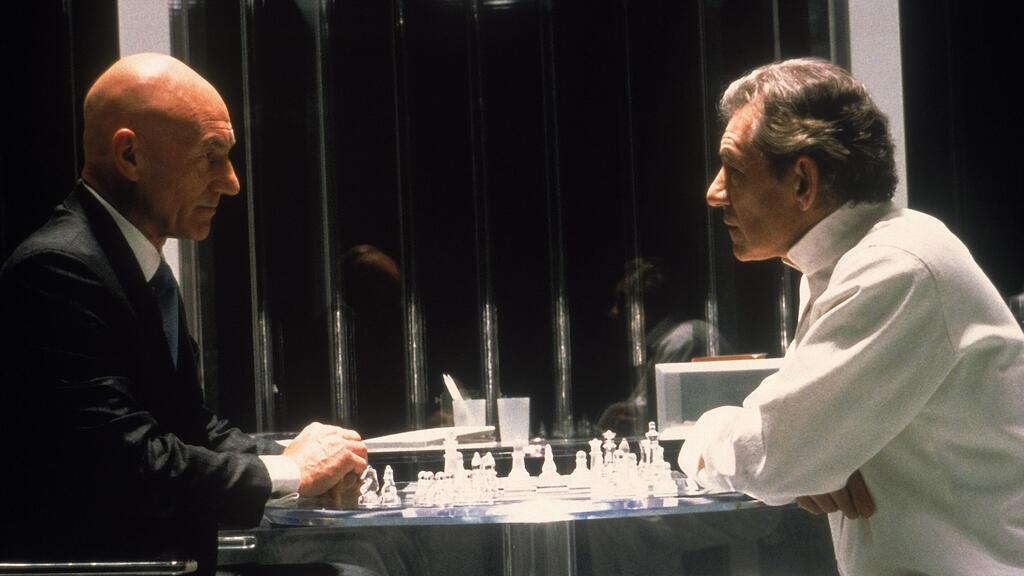
Right: Ian McKellen and Patrick Stewart, from 'X-Men'
(Photo: Courtesy of yes)
Beyond your grandparents, Feige and company have also assembled additional star power in the form of the Fantastic Four — or at least that was the hope before the film’s retro-futuristic, ’60s-inspired reboot fell flat like most recent MCU outings. With revenues of about $520 million against a budget nearing or exceeding $300 million — once marketing and distribution costs and theater revenue splits are factored in — the movie lost money. Still, Pedro Pascal (Reed Richards), Vanessa Kirby (Sue Storm), Joseph Quinn (Johnny Storm) and Ebon Moss-Bachrach (Ben Grimm) will all appear in Avengers: Doomsday. The problem is that hardly anyone seems to care.

From 'The Fantastic Four: First Steps'
(Photo: Courtesy of Film Forum)
And if their participation barely registers, the confirmed appearance of the Thunderbolts characters registers even less. Yelena Belova (Florence Pugh), John Walker (Wyatt Russell), Red Guardian (David Harbour), Bucky Barnes (Sebastian Stan), Ghost (Hannah John-Kamen), Valentina Allegra de Fontaine (Julia Louis-Dreyfus) and Sentry (Lewis Pullman) — if you never heard those names again, you’d probably be just fine. Sentry, maybe — he’s a cool character. But the rest? Snooze. Who really cares that they’ll be in Doomsday? What’s the payoff? More bad Russian-accent jokes from Red Guardian? More hollow swagger from Walker? More anguished close-ups of Pugh’s assassin in existential crisis?
Marvel is betting that nostalgia, familiarity and sheer volume will be enough. The question is whether audiences still want what Marvel is selling — or whether Avengers: Doomsday is simply an extraordinarily expensive death rattle.
Multiverse misfortune
Like it or not, there is no alternative — and apparently Marvel has none either. This massive machine, which peaked with Avengers: Endgame, has continued to sputter in a way that now forces it toward its next decisive turning point: either a rebirth or a final explosion. Too much money has been invested and lost to throw in the towel at this stage, and too much merchandise has been sold — and is still being sold — despite all the problems. You can’t just flip the switch off. Not yet. Not before Doomsday arrives and answers the ultimate question: Is there still real potential left in the MCU, perhaps the most dominant cultural phenomenon of the past decade and a half? Is it still relevant? Because right now, it certainly doesn’t look that way.
And it’s not for lack of effort. On the contrary, Marvel is trying. It’s just failing. Earlier, we accused the studio of timidity, of clinging to worn-out formulas and avoiding bold moves. All of that is true. But Marvel has also genuinely tried to chart a new course for its sprawling enterprise. The seeds of the multiverse — parallel universes and endless narrative possibilities — were planted as early as Doctor Strange (2016). The idea was put into practice in Spider-Man: No Way Home, with the team-up of Tobey Maguire’s and Andrew Garfield’s Spider-Men alongside Tom Holland’s MCU version, and later in Doctor Strange in the Multiverse of Madness (2022) and Ant-Man and the Wasp: Quantumania (2023).
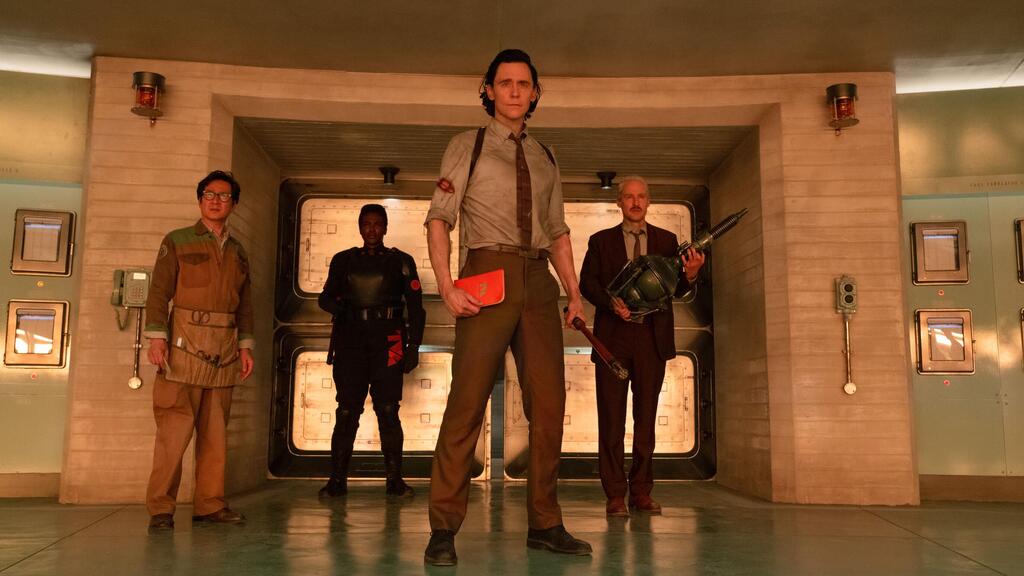
From 'Loki', Season 2
(Photo: Courtesy of Disney+)
At the same time, Marvel continued to milk the multiverse concept on television — Loki, for example — and those “endless narrative possibilities” quickly turned into “endless confused and confusing narratives.” The sprawl only damaged the brand.
There was also a significant element of bad luck in Marvel’s string of troubles. Jonathan Majors, the talented actor cast as Kang the Conqueror — the major villain meant to anchor the next phase of the MCU — was convicted in December 2023 on assault and harassment charges. As a result, Avengers: The Kang Dynasty was scrapped, and the entire project was thrown into a period of anxiety and uncertainty, out of which Avengers: Doomsday eventually emerged.
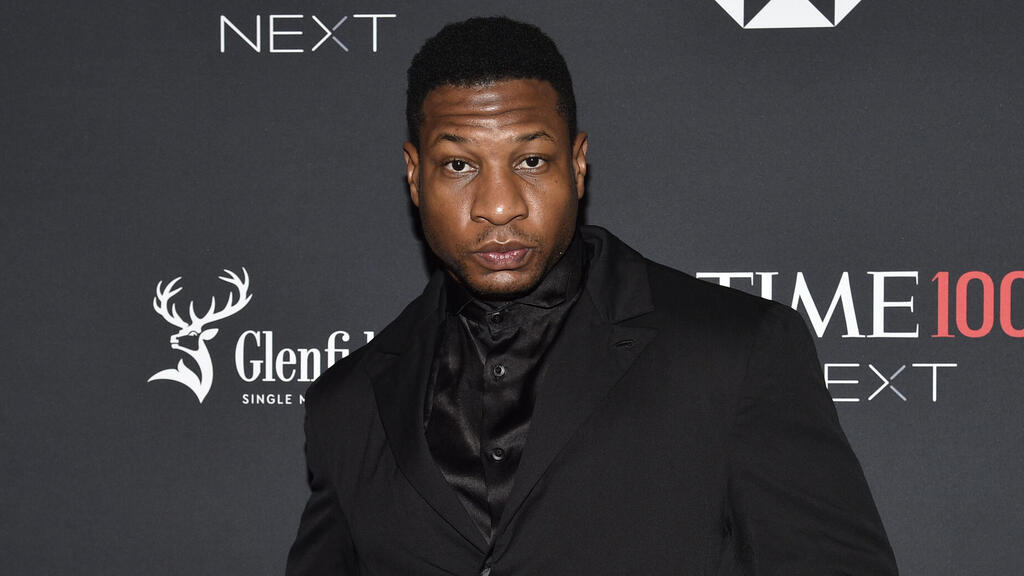
Jonathan Majors
(Photo: AP)
Seen in that light, it becomes entirely clear why Kevin Feige chose regression over progression: a return to the familiar and comfortable embrace of known MCU stars rather than another risky gamble that could prove costly. The inclusion of the X-Men and the Fantastic Four serves the same purpose — to steer the MCU away from uncertainty, minimize risk and instead wrap itself in the warm, familiar blanket of nostalgia.
There’s a reason the X-Men selected for Doomsday are the original, familiar faces — from Patrick Stewart to Rebecca Romijn — rather than newer, fresher actors that might have appeared with a bit more courage on Marvel’s part. And that raises an obvious question: What comes next, dear Kevin Feige? What happens after Doomsday and its planned follow-up, Avengers: Secret Wars, set for December 2027? What do you do with elderly X-Men at that point? Presumably, work is already underway on future MCU films, as it always is, and it’s reasonable to assume that the X-Men will play a major role now that the franchise is under Marvel’s control. But if the recasting opportunity has already been missed by integrating them into Doomsday and its offshoots, what happens then? And what kind of insurance premiums do you pay on an 88- or 90-year-old actor signed on for five more films?
Let’s set that aside for now — having made the point — and wish Ian McKellen and Patrick Stewart health and long lives. Despite the unmistakable scent of desperation and panic surrounding their return, the recruitment of exhausted legacy stars from across the franchise’s history and the growing loss of confidence in Marvel’s ability to deliver a product that truly justifies its enormous expectations and monstrous budgets, Avengers: Doomsday will ultimately stand or fall on its merits as a film.
And even here, the return of the Russo brothers offers no guarantee of success. Aside from the excellent Avengers films they directed — or “conducted,” given how autonomous a director can really be with Kevin Feige perched on his shoulder — and the solid Captain America films (The Winter Soldier and Civil War), their work outside Marvel has been underwhelming at best.
Cherry (2021), starring Tom Holland as a post-traumatic soldier turned addict and bank robber, was a muddled and forgettable project. The Gray Man, their Netflix crime thriller, starred Ryan Gosling, Chris Evans and a $200 million budget. But it was The Electric State that truly demonstrated the Russos may need to go back to film school — or retire. The sci-fi action film, starring Chris Pratt and Millie Bobby Brown, was a colossal disaster by every conceivable measure, reportedly costing around $320 million. Watch it, if you dare, and then reconsider Feige’s decision to bring the brothers back into the Marvel fold. Their return raises serious concerns that, as part of the “let’s go back to everything that once worked, because nothing has worked since” strategy, a major mistake may have been made.
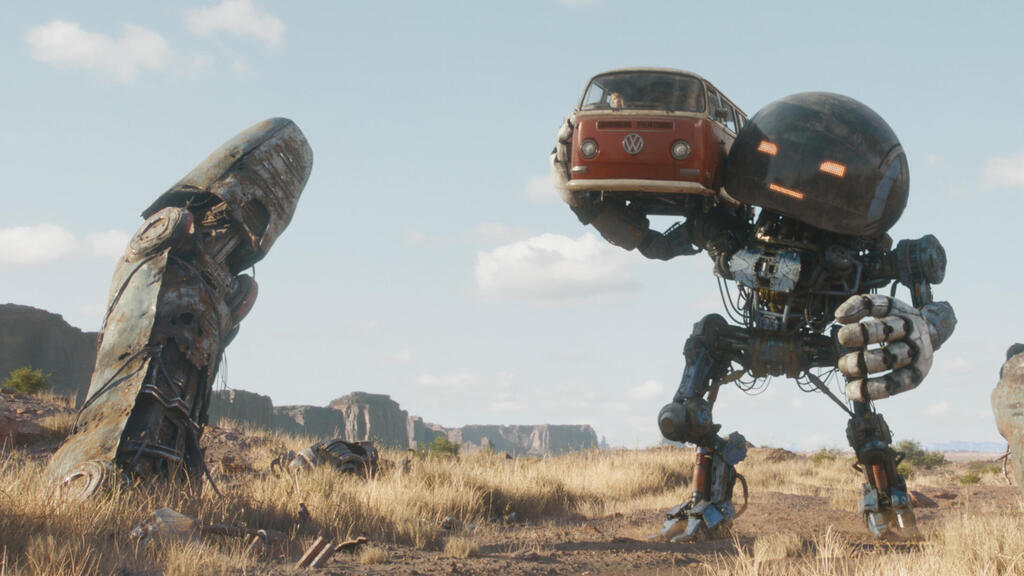
From 'The Electric State'
(Photo: Courtesy of Netflix)
What becomes of us
The big disclaimer is that at this early stage, it’s genuinely hard to know whether we’re heading toward another Avengers-level cinematic event — like The Avengers, Infinity War or Endgame (did you notice how we’ve ignored Age of Ultron so far? Good. Let’s keep it that way). Those three were true game changers, each in its own way. The Avengers showed the world how a narrative spread across multiple films could deliver a thrilling, cathartic payoff. Infinity War showcased breathtaking action and rare genre courage with its bleak ending. And Endgame — even though it partly recycled elements from earlier films — delivered a majestic grand finale.

From 'Avengers: Endgame'
(Photo: Screenshot)
In a better world, Endgame would also have been the final MCU film, turning the entire enterprise into legend and sealing it in memory as one of cinema’s most triumphant curtain calls. But money won, as always, and Disney-Marvel pushed on, steadily cheapening and hollowing out the brand with each new project, on the big screen and the small. If you want to see how the corporation treats another franchise it acquired, look no further than the flood of subpar Star Wars content released in recent years.
At least there, it seems some painful lessons are being absorbed. In recent weeks, reports have suggested that Kathleen Kennedy, the all-powerful producer who heads Lucasfilm, may soon step aside amid the company’s struggles under her leadership. For now, Kevin Feige’s position remains secure.
And so we return to the same looming question: Does the MCU still have a chance? Or is it all over, with what we’re watching now merely the franchise’s last — and very expensive — death throes?
With a flood of teasers trying desperately to tug at our heartstrings by resurrecting heroes we thought we’d left behind, and by assembling even more aging characters for reinforcement, the MCU is working overtime to convince us that the crown can be restored — that we can put Eternals and the franchise’s other misfires behind us. Yet in doing so, Feige and company are failing to do what truly needed to be done: genuinely turn the page, introduce a new generation to the MCU and restore its lost relevance.
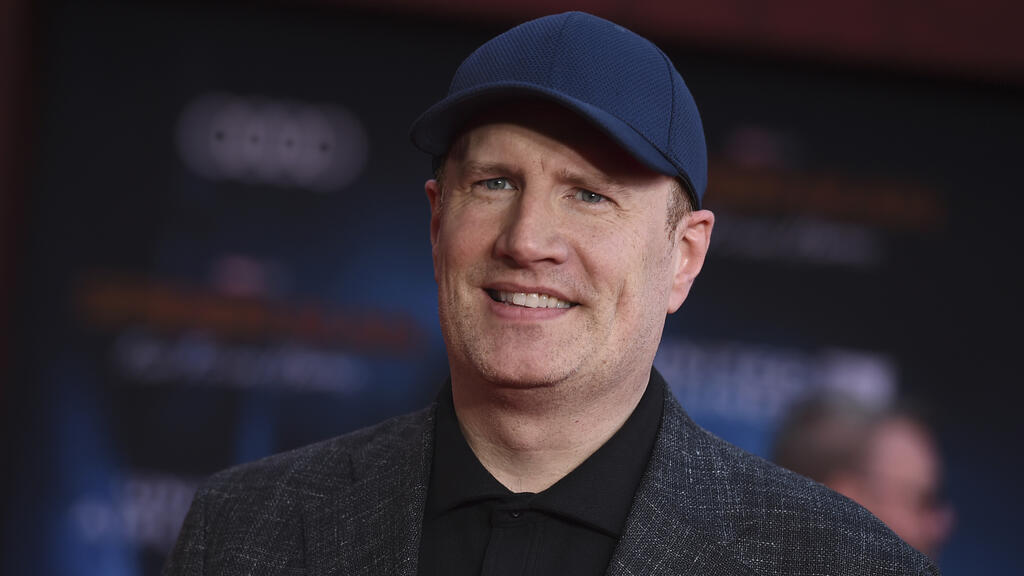
Marvel's boss, Kevin Feige
(Photo: AP)
Instead, the marketing push behind Avengers: Doomsday appears focused on recapturing older fans — those who were 12 when The Avengers blew their minds and 19 or 20 when the darker, more mature Infinity War and Endgame closed the saga. Those fans are now 26. Their ability to suspend disbelief in superhero extravaganzas has weakened. Superhero fatigue — the result of more than a decade and a half of genre saturation — has hit them hard. The sweaty emphasis on nostalgia and “hey, look, a familiar face!” may not help. It may even hurt.
What would help? Simple: Doomsday being good. Really good. A knockout film. And as noted — given the identity of the directors and the MCU’s recent track record — it’s hard to believe a miracle is coming, or that we’ll get something on par with the earlier Avengers films (again: not Ultron). Then again, what are life and cinema without a sliver of hope?
Eleven months. That’s all that remains until we find out. Fingers crossed.