

A new front has opened in Israel’s fiercely competitive auto market as two Chinese car brands—Jaecoo and Chery—face off in what industry insiders say could significantly reshape sales patterns and consumer choices.
On Sunday, Israeli importer Carmobile, which also represents Hyundai and Mitsubishi, quietly launched the Jaecoo 5, a compact crossover available in gasoline and electric versions. The vehicle’s entry-level pricing, starting at NIS 148,000 ($40,000), positions it as a direct rival to Chery’s Tiggo 4 Hybrid, which is expected to be launched soon by Carasso Group, Chery’s Israeli importer.
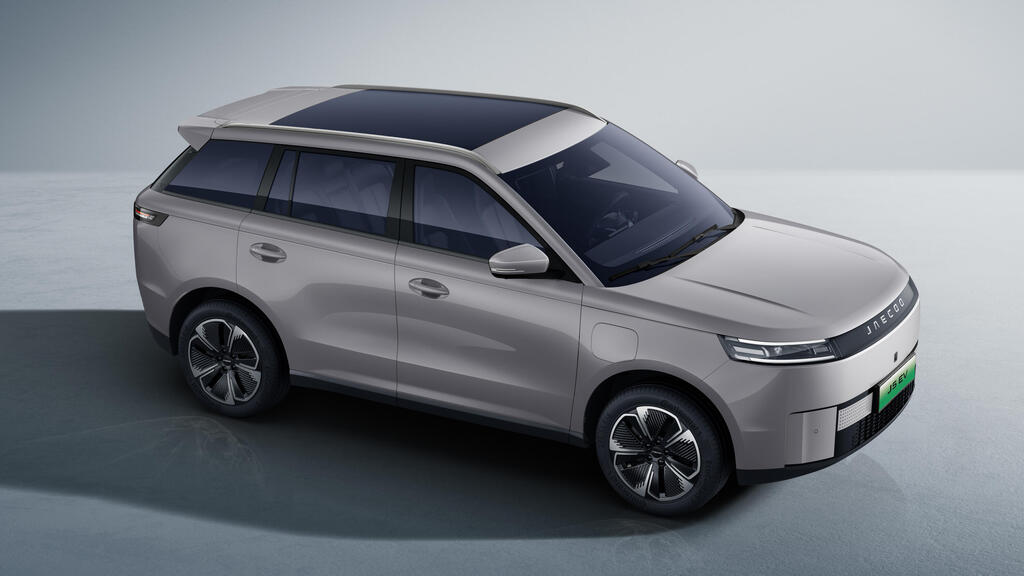
The timing of both launches—each brand pushing models not yet widely available or registered for road use—has fueled speculation of strategic posturing in a market increasingly dominated by Chinese automakers. Both Jaecoo and Chery are owned by Chery Automobile Co. of China, but in Israel, the two are marketed by competing local companies, a situation that has sparked what industry officials describe as an "unofficial war" between the importers.
Carmobile’s subdued rollout of the Jaecoo 5 diverged from industry norms. No press event was held, no test units were registered locally and no formal campaign was launched. Instead, reviews were based on test drives conducted abroad—part of a strategy often used to gather early orders and later claim “overnight” sales spikes.
In the case of the Tiggo 4 Hybrid, Carasso has promoted the vehicle on social media, despite no units being registered in Israel to date. This too suggests the importer is building demand ahead of a physical launch.
Data from the Association of Vehicle Importers shows Chery leading with 10,925 units sold in the first half of 2025, followed by Jaecoo with 8,459. However, Chery’s figures span several models, including the electric FX and the Tiggo series, while Jaecoo’s sales in Israel have so far relied almost entirely on a single model, the Jaecoo 7.
Despite appearances, much of the volume attributed to both brands is believed to come from fleet sales at deep discounts rather than private consumers, a trend common in Israel’s auto sector.
Jaecoo’s new model could disrupt the electric vehicle segment in particular. Its all-electric version is priced at NIS 151,000—under the prevailing rate for Chinese EV crossovers in Israel, typically around NIS 170,000. This aggressive pricing puts it in direct competition with Carasso’s best-selling Chery FX, which retails at NIS 152,000.
Unlike Chery’s FX, which targets cost-conscious buyers with modest range and performance, Jaecoo is positioning itself as a mainstream challenger across segments, signaling broader ambitions.
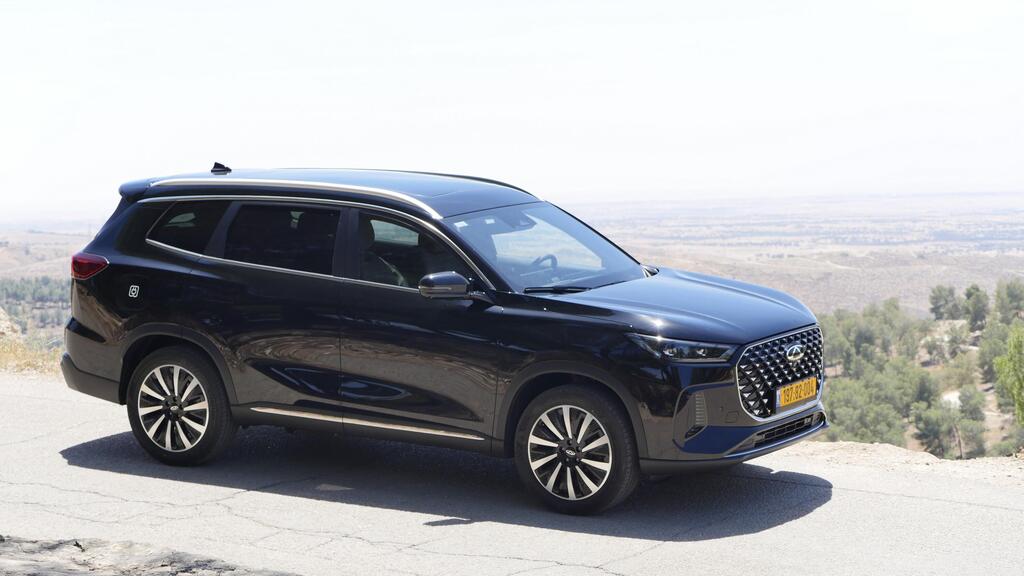
Chery Tigo 8
(Photo: Noam Rhein)
The clash has broader implications. Carmobile is expected to secure additional Chinese brands like Exlantix and already represents Omoda, both Chery subsidiaries. Carasso, meanwhile, treats Chery as a flagship brand despite also importing Nissan and Renault. Analysts say the situation mirrors earlier rivalries such as that between Hyundai and Kia, where Israeli importers aggressively competed despite the brands sharing a global parent company.
Get the Ynetnews app on your smartphone: Google Play: https://bit.ly/4eJ37pE | Apple App Store: https://bit.ly/3ZL7iNv
Industry observers expect the standoff to intensify ahead of Q4. By law, importers must register first-hand vehicles by October for models brought into Israel by the end of the previous year. That pressure, combined with the Jaecoo-Chery rivalry, could push Chinese market share in Israel past 40%. China already accounts for 28% of new vehicle imports in 2025, totaling nearly 46,000 cars in the first half of the year.
What comes next is likely to include increased fleet deals, extensive ad campaigns and price drops across the board—especially for hybrid and electric crossovers. Competitors like BYD, Geely and Lynk & Co. will be under pressure to respond.
For Israeli consumers, the battle may bring welcome relief amid rising car prices. For importers, the stakes are higher: control of the fastest-growing segment in the country’s auto market.