

For Omri Shetach, the distance between Israel’s high-tech industry and the flamenco clubs of southern Spain can sometimes be measured in just a few hours. By day, he works in technology; at night, the laptop closes and the guitar comes out.
It is a double life the 43-year-old musician has maintained for years, moving between the fast-paced, analytical world of Israeli tech and a musical tradition rooted in rhythm, emotion and centuries of Andalusian culture.
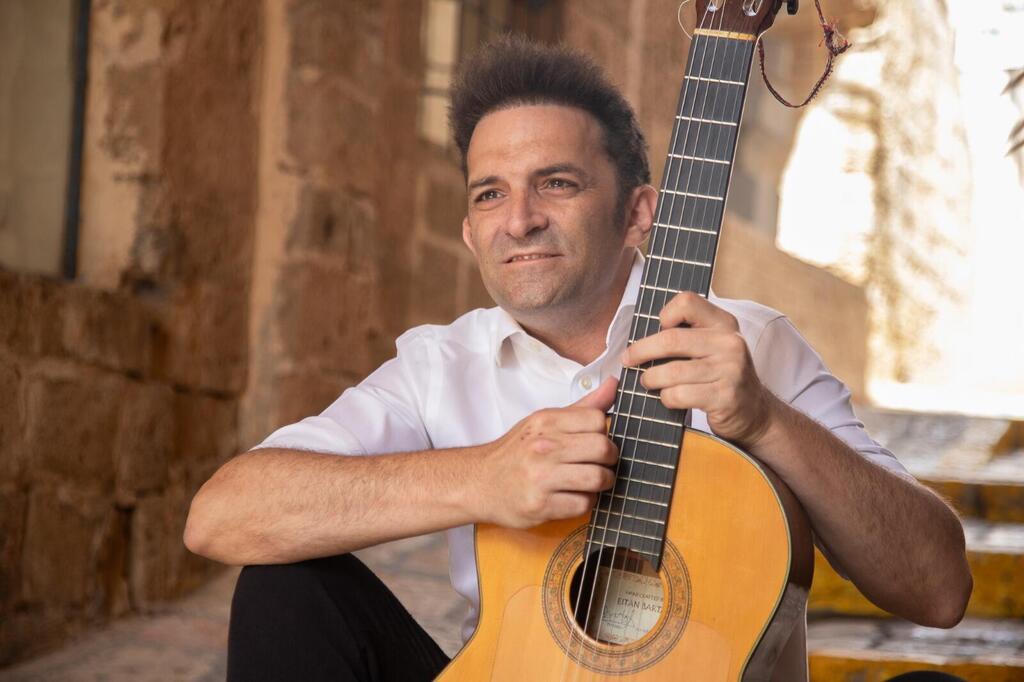
Shetach grew up in a family where a career in technology might have seemed almost predetermined. His father is a senior figure in Israel’s high-tech industry, and Shetach ultimately entered the field himself.
But music had been part of his life long before software. He first picked up a guitar at age 8. What began as a childhood connection to the instrument gradually developed into a fascination with flamenco, and eventually into something much more demanding.
Shetach did not want just to reproduce the sound, but also to understand the tradition behind it.
A graduate of the Department of Musicology at the Hebrew University of Jerusalem, Shetach went on to immerse himself in flamenco, spending extended periods studying with musicians in Seville and Jerez de la Frontera, two of the cities most closely associated with the art form in southern Spain.
For an Israeli musician entering that world, technique was only one part of the challenge.
Flamenco is not simply a repertoire of guitar patterns and rhythms. It is closely tied to place, language, family and cultural memory, elements that cannot be absorbed from sheet music alone.
Shetach spent years studying those layers. He learned the various palos, the traditional forms that define flamenco’s different rhythmic and emotional structures, while immersing himself in the work of guitarists including Paco de Lucía, Tomatito and Vicente Amigo.
He also worked with singers, dancers and other musicians, gradually developing a style that combines melodic influences from his broader musical background with the rhythmic intensity of flamenco.
What had begun as music pursued alongside his professional career slowly became a second career of its own.
From Tel Aviv to Argentina
Over the years, Shetach’s guitar has taken him far beyond Israel. He has performed and collaborated with musicians abroad while becoming part of Israel’s relatively small but devoted flamenco community and maintaining ties with artists from the international scene.
One of the more unexpected stops came in Argentina. In 2024, Shetach appeared on a popular Argentine TV program, a striking milestone for a musician whose path into flamenco began thousands of miles from Andalusia.
In some ways, that international route reflects the history of the music itself. Flamenco remains inseparable from southern Spain, but its influence has long extended far beyond Andalusia, attracting musicians and audiences across Europe, Latin America and elsewhere.
Israel, too, has developed its own flamenco community, and Shetach has become one of the musicians helping connect that scene to the tradition’s Spanish roots.
Yet as his performances and collaborations expanded, one project remained unfinished for years: an album.
Twelve years, one album
Shetach began working on what would eventually become Guías de Corazón in 2014. He could have completed it much sooner. Instead, the project evolved with him.
As his understanding of flamenco deepened, the music he wanted to record changed as well. He studied new rhythms, revised compositions, developed collaborations and reconsidered material that no longer reflected the musician he was becoming.
Rather than capture a single stage in that development, he allowed the album to grow alongside it. By 2022, he decided it was finally time to bring the project toward completion.
The result, Guías de Corazón, or “Guides to the Heart,” combines original instrumental guitar pieces with compositions featuring live flamenco vocals, drawing on several of the tradition’s distinct musical forms.
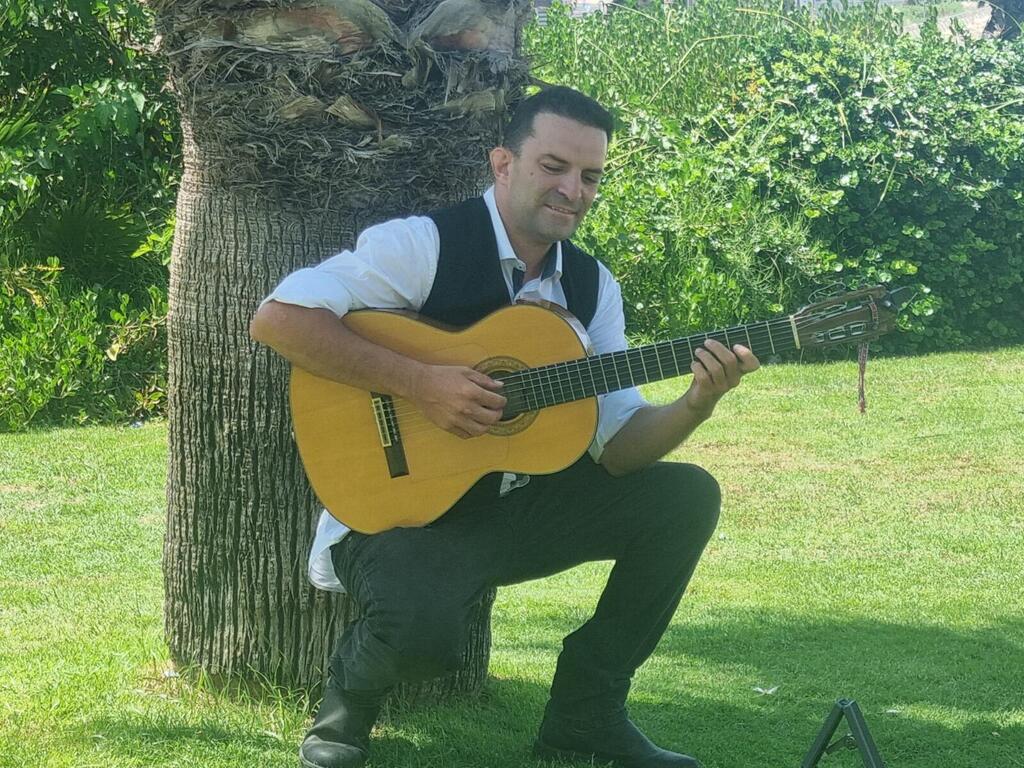
Omri Shetach. Brings Andalusian flamenco into his life in Israel
(Photo: Courtesy)
The album moves between restrained and melancholic passages and pieces driven by speed, percussion and celebration. Classical melodic influences intersect with the rhythmic vocabulary Shetach spent years absorbing in Andalusia.
For an album that took more than a decade to complete, the title seems appropriate.
Behind the music lies a broader tension that has accompanied Shetach throughout his adult life: what happens when the stable career and professional world a person is expected to inhabit represent only part of the life he wants?
For Shetach, the answer was never to abandon one path for the other. He chose to keep both.
Bringing Andalusia to Tel Aviv
On September 5, Shetach will bring that 12-year journey to the stage at Beit HaYotzer in Tel Aviv, where he will present Guías de Corazón live.
The evening is intended to be more than a conventional album-release concert. Instead, the performance is designed to evoke the atmosphere of a Spanish tablao, the intimate venues where flamenco unfolds at close range through the interplay of guitar, singing and dance.
The program will move through contrasting sides of the tradition, beginning with some of flamenco’s deeper and more introspective forms before building toward the energy of alegrías and bulerías.
Shetach’s original compositions will serve as the thread linking those different musical worlds.
Live flamenco singing and dance will be joined by guitars, percussion and flute, creating a performance rooted in tradition while reflecting the musical identity Shetach has spent years developing.
And it may be onstage that the two seemingly contradictory parts of his life make the most sense. For years, Shetach has moved between software and soleá, meetings and rehearsals, Israeli high-tech and Andalusian flamenco.
On September 5, at least for one night, the laptop can remain closed. The guitar gets the final word.