

Heirs of a prominent Dutch Jewish art dealership filed a sweeping appeal Wednesday with the Netherlands Restitutions Committee, seeking reconsideration of four decisions that denied restitution for 222 of 223 artworks lost during the Nazi occupation.
The appeal was submitted on behalf of Bruce Berg, an heir of Benjamin and Nathan Katz, who operated Firma D. Katz, one of the Netherlands’ leading Jewish-owned art dealerships before World War II. The filing was made by attorneys Martin Bienstock of Washington-based Bienstock PLLC and Niv Goldberg of NGM Art & Cultural Property Law in Jerusalem.
The heirs are asking the committee to reopen decisions issued between 2009 and 2018, which resulted in a 99.5% denial rate of their claims. They described that outcome as “not merely improbable, but fundamentally unjust and unfair,” noting that other Jewish art dealers who sold works under similar circumstances to the same Nazi buyers have since received restitution.
By the mid-1930s, Nathan and Benjamin Katz specialized in Old Master paintings and maintained a trading stock of about 400 works. After Germany invaded the Netherlands in May 1940, the brothers were forced into what the appeal describes as systematic cooperation with Nazi art acquisition efforts. That included direct sales to Hermann Goering, one of the most senior Nazi officials and a central figure in Nazi art looting, as well as transactions linked to the Sonderauftrag Linz, Adolf Hitler’s planned Fuhrermuseum.
In prior findings, the Restitutions Committee acknowledged that occupation authorities “linked the uninterrupted protection of the Katz brothers and their families to their willingness to continue putting their expertise at the disposal of” Nazi officials. Benjamin Katz testified after the war: “We were convinced we had little option but to sell to the Germans what they wanted.”
The appeal alleges a pattern of procedural violations and substantive inconsistencies in the handling of the Katz claims. Among the issues cited are the denial of access to the final investigatory report on which adverse decisions were based, the retroactive application of restrictive evidentiary standards to claims filed before those standards existed, and what the heirs call inconsistent treatment of identical Nazi-affiliated buyers across cases.
While heirs of other Jewish art dealers received favorable presumptions of coercion for sales to buyers such as Goering and Alois Miedl, the Katz heirs were required to provide transaction-by-transaction proof of duress, the appeal says.
The filing also points to the loss of a key inventory record known as the “Blue Book,” which documented the dealership’s holdings. The record was entrusted to Dutch authorities after the war and later lost while in government custody. The heirs argue that instead of acknowledging the state-caused evidentiary gap and giving them the benefit of the doubt, the committee treated the absence of the document as evidence against their claims.
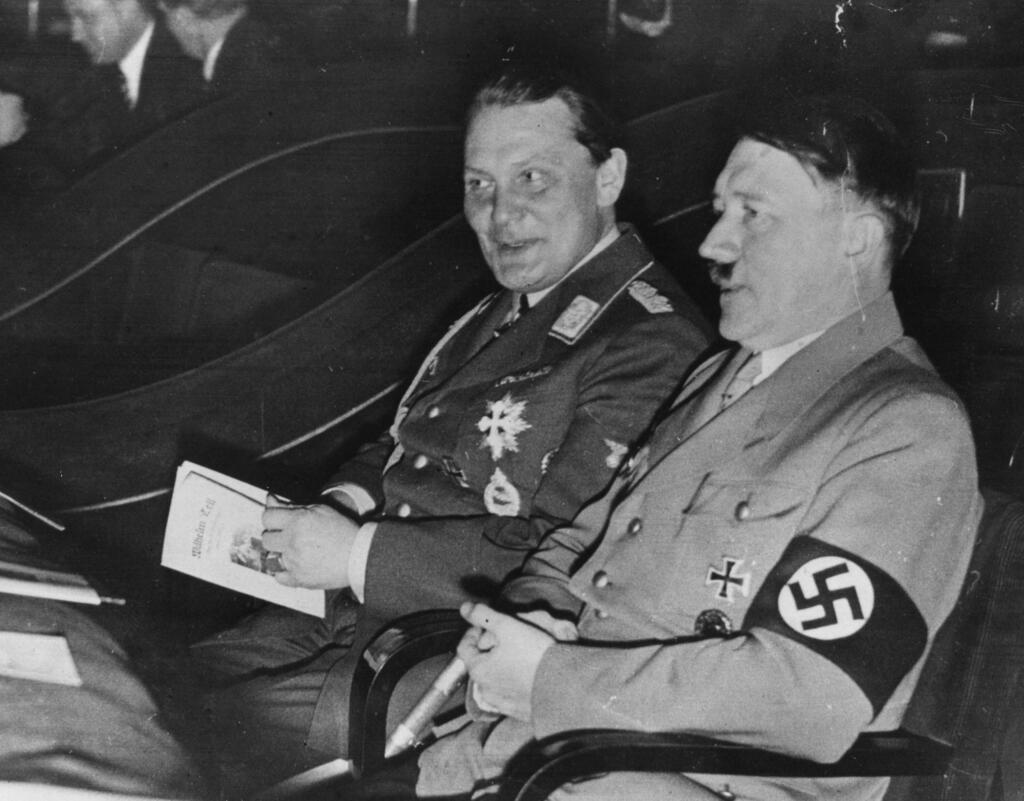
Hermann Goering and Adolf Hitler
(Photo: Central Press / Getty Images)
The appeal relies in part on reforms adopted in 2021 following the Kohnstamm Report, which criticized earlier restitution decisions as “formalistic, bureaucratic and cold” and established a retroactive presumption that sales by Jewish owners between 1933 and 1945 were involuntary.
Recent committee rulings, including the Hiegentlich II case in September 2024, the Nijstad case in January 2025 and the Cramer case in March 2025, applied those revised standards to other Jewish art dealers in circumstances the Katz heirs describe as nearly identical, granting restitution where earlier claims had been denied.
“The Katz heirs were subjected to a process that moved the goalposts after they filed their claims, withheld key evidence from them, and held them to standards that were never applied to other families in virtually identical circumstances,” Bienstock said in a statement. He called the appeal an opportunity for the committee “to correct a decade-long departure from its own principles.”
Goldberg said recent rulings confirmed the family’s longstanding position that Jewish dealers lacked genuine commercial freedom when selling to senior Nazi officials. “The 2021 reforms were designed to prevent exactly the kind of result that befell this family,” he said.
The heirs are requesting that the committee exercise its authority under Article 4(2) of the 2021 decree to reopen the four Katz cases — RC 1.90-A, RC 1.90-B, RC 4.168 and RC 1.132-B — apply current ethical and legal standards retroactively, disclose previously withheld investigatory materials and issue new recommendations for restitution or equitable compensation.