

When Christian Mercuri signed on as a producer of Obsession, it looked like a remarkably small gamble by Hollywood standards: a reported $750,000 production from a relatively unknown 26-year-old filmmaker whose previous feature had been made for just $800.
Mercuri had no idea just how extraordinary that gamble would become. Obsession went on to take in more than half a billion dollars worldwide, turning a low-budget independent film with largely unfamiliar faces into one of the year's biggest box-office sensations. “I'd be lying to you if I expected the film to make over $500 million around the world,” Mercuri says. “We knew we had something special. You just never know to what level.”
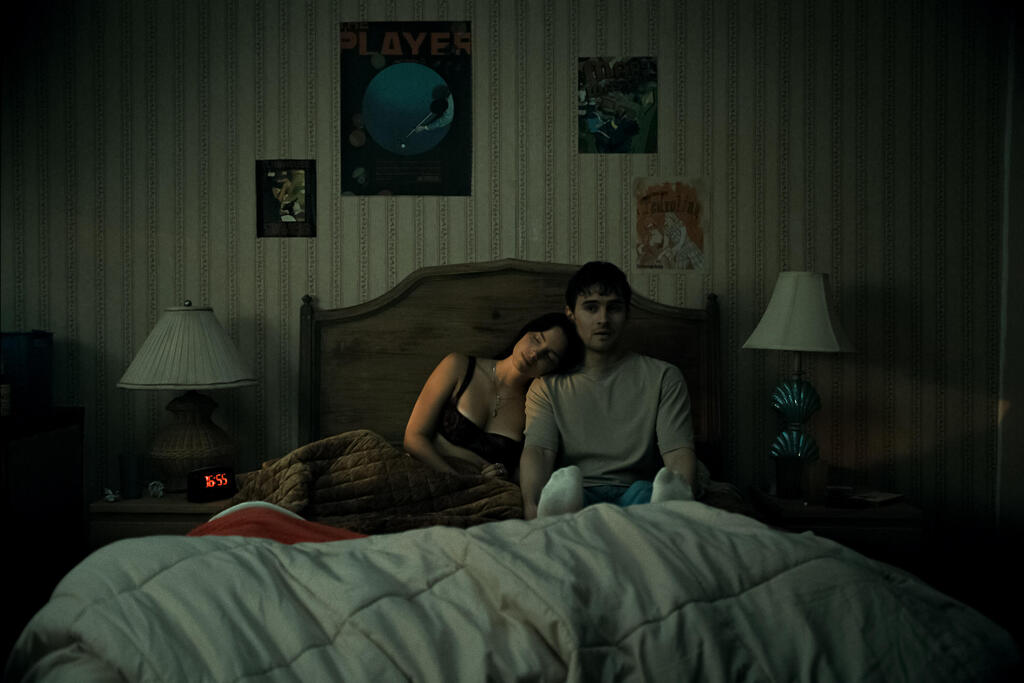
Even when the numbers began climbing, Mercuri couldn't bring himself to believe the more ambitious predictions. When someone online suggested that Obsession could eventually make between $250 million and $330 million, his reaction was blunt: “I think he's absolutely crazy.”
The prediction turned out to be remarkably conservative, and the film changed Barker's life—and that of his leading actress, Inde Navarrette, who became an overnight sensation. Navarrette has since been cast as Rogue in Marvel's upcoming X-Men film.
Mercuri's path to becoming a producer began on the sales and distribution side of the film business. He spent his early career at Nu Image/Millennium, working with Avi Lerner and Danny Dimbort, and eventually became president of international sales and distribution at Millennium Films.
“They really gave me an opportunity,” Mercuri says. “I started in sales, and Danny was a father figure to me. He was my mentor, and I will always be indebted to him. He and Avi mean the world to me. They taught me the business. Without that school, I wouldn't be where I am today, and I always try, as much as I can, to give them that tribute.”
Mercuri eventually moved into producing, and in 2017 founded Capstone, a film financing, production and international sales company.
Over the course of his 26-year career, he has been involved in more than 300 films. That experience gave him a well-honed sense of which projects were worth taking a chance on. Still, when he came across Curry Barker, a 26-year-old filmmaker who had made only one feature, there was no way to know that the low-budget film they were about to make would become a worldwide phenomenon.
Barker had more going for him than his limited feature-film résumé suggested. He had built an audience of roughly 1.5 million YouTube subscribers with his comedy and horror content, and his first feature, the found-footage horror film Milk & Serial, had been made for just $800. Despite its shoestring budget, the film showcased Barker's ability to make an effective, fully realized horror movie with almost no resources.
“I don't consider Curry a YouTuber,” said Mercuri in an interview with ynet. “I consider him a filmmaker. He had made a feature film, and he had all this content up on YouTube for me to watch. If you watch his feature, it's really rather impressive. That feature is what really convinced me. When he told me that he could make this film for certain for one million dollars, it made sense because he did have the know-how. He effectively put his résumé online for anybody to see.”
What do you think made Obsession so appealing to audiences and critics alike?
“I think it's originality. I think it speaks to the times a little bit. A lot of young people, or anybody really, can relate to some of the themes—loneliness, toxic relationships, friend-zoning, all those simple things.
“At the end of the day, it's very well done, very well acted, and it's just fun, which is what we've been trying to do: complement what's out in the world and make films that are original and provide an experience.”
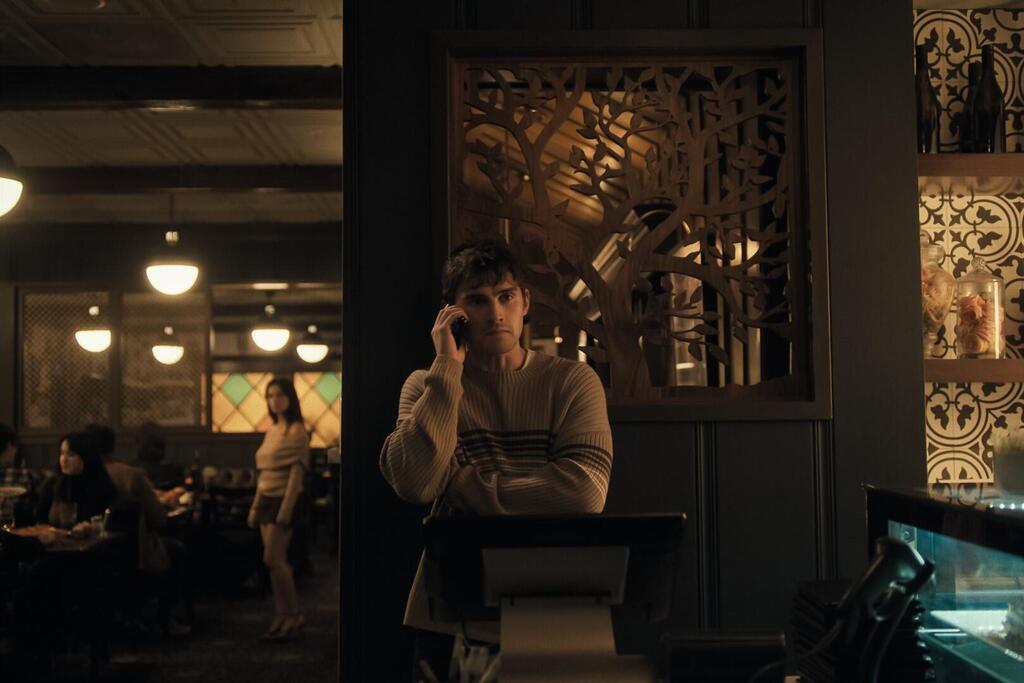
From Obsession
(Photo: Courtesy of Tulip Entertainment)
You have proven that a film doesn't need recognizable stars to attract an audience. Do you think the success of Obsession could change the way producers think about casting?
“That was absolutely this philosophy of ours. It happened about five years ago. I would say without the movie Fall, there's probably no Obsession. We're about to release Fall 2. We felt that Fall was cinematic and an experience, something unique. From that, we knew that if we do these things right, and they bring a fun experience, some thrill, some horror, but not the same old, same old, you don't need a big-name cast. It worked on Fall, and obviously it worked tremendously on Obsession.”
“I said this in an interview recently: I would definitely tell everybody that you need to find original voices. You need to find original projects, original ideas, and make original content. I think that always holds true.
“That doesn't mean that having a star actor doesn't have value. Of course it does. Stars still resonate, but it's not the only thing, and we have proven that.”
When you take on a project, how much do you consider its commercial potential versus its artistic potential?
“You're running a business, right? But I would say Curry is a little bit of an auteur-type director, but he had written a commercial piece. So the question is, how much can you lose? And we also go into it saying, listen, if you don't lose some, sometimes you're not trying. Obviously, we try to contain losses, but of course I went into Obsession knowing very well that if it didn't execute because it had no cast, because it was original and different, we could lose money, but I accepted it.
“It's easier to accept when the film wasn't going to cost you millions of dollars. It was probably the least I've ever spent on a production. So you have to take chances and we do. I just try to balance that.”
I imagine it's much more stressful when a film has a huge budget and there's a lot more on the line.
“All films are stressful when you're financing them. There's that aspect, of course. You sign up for it, so you make the best you can. The Wolf of Wall Street was the most expensive film I did, and Obsession was the least expensive film I did—and these are the two films I'm most known for.
“It’s been a stressful business, I'm not going to lie, but it's also a great business. And it's pretty magical to team up with so many people to make these films. So yes, it's our money and we take risks, and sometimes it's great and sometimes, not so much. But I'm always excited to get out of bed in the morning.”
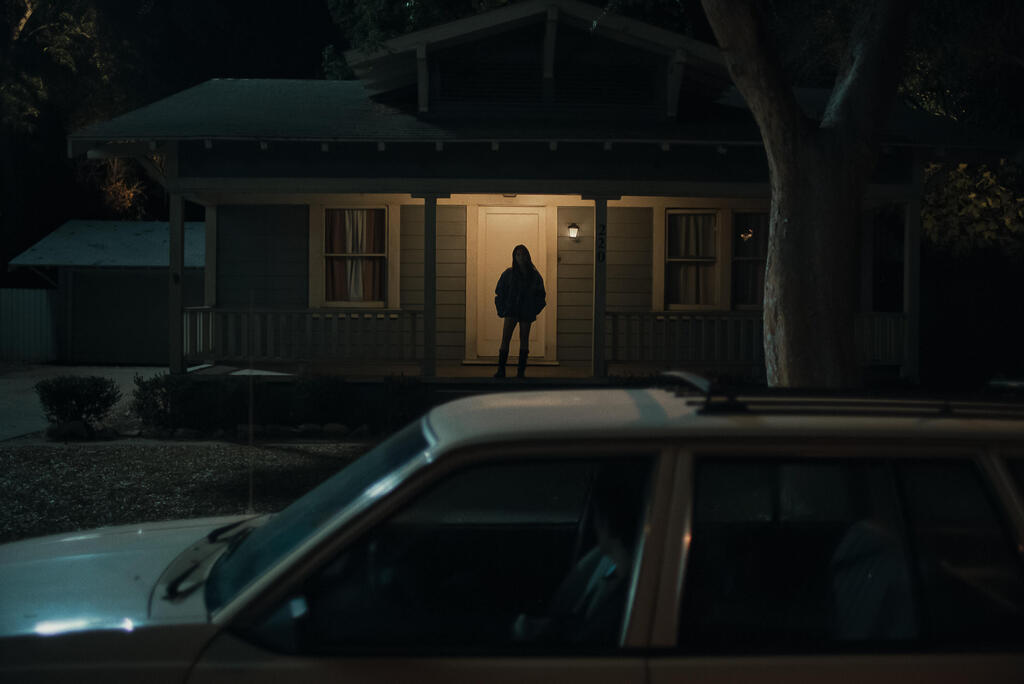
From Obsession
(Photo: Courtesy of Tulip Entertainment)
Is Obsession 2 already in the works? Do you see the potential for it to become a franchise?
“We are working on the second, so there's not much to speak about right now. But what's magical is that its core concept can be replicated, and you can make many of these.”
Since the success of Obsession, what are you most proud of building at Capstone, and how has the company evolved?
“The thing I'm most proud of is what we've built beyond a specific film. We've really built up our distribution in the U.S., and we announced that recently. We're a year into it, and it's become very successful.
“As a studio, with English-speaking distribution and the ability for Curry or some of these talented filmmakers in this space, we can make the film that they want. That's what I'm most proud of.
“Sometimes a film like Obsession is in the hands of the movie gods, but our ability to do it right—to do a really good job, influence the film both creatively and financially, and do all those things to get it from the start line to the finish line—and to be flexible about how we want to distribute it and partner at the right time, all of those things, that's what I'm most proud of. We keep growing in a tough market.”