


Tim Curry played many memorable characters over a long career, but none carried the cultural weight of Dr. Frank-N-Furter.
For generations of queer viewers, The Rocky Horror Picture Show was not simply a cult movie, and Curry was not simply its star. His performance offered something far more powerful: a vision of a person who ignored the rules governing gender, sexuality, appearance and desire, and seemed completely uninterested in apologizing for it.
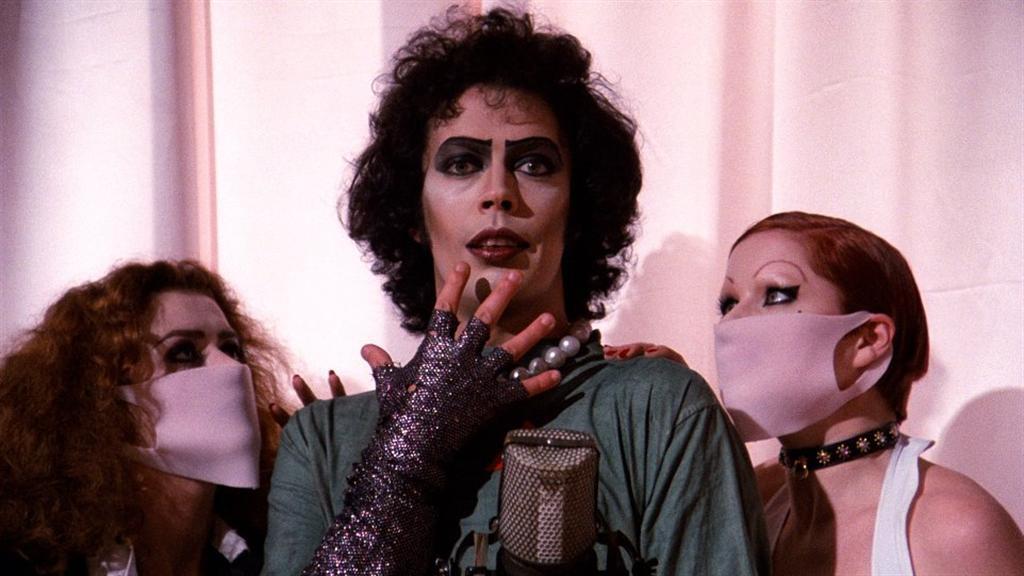
When The Rocky Horror Show opened in London in 1973, and later became the 1975 film, mainstream culture still treated most forms of non-heterosexual desire as deviant or dangerous. Into that world walked Curry in lipstick, corset and fishnets, singing, flirting and seducing with absolute confidence.
Frank-N-Furter was exaggerated, camp and deliberately outrageous, but Curry never played him as merely a joke. He made him seductive and vulnerable, commanding and ridiculous, masculine and feminine all at once. The character dismantled conventional expectations about how a man was supposed to dress, move, sing or express desire.
That mattered.
For young viewers who had grown up being told that sexuality had to look one particular way, Frank suggested an entirely different possibility. Desire could be messy, theatrical, bisexual, excessive, playful and proudly visible.
Curry’s performance gave physical form to the film’s most enduring message: “Don’t dream it, be it.”
The power of that line was never simply about sex. It was about refusing to live according to somebody else’s definition of normal.
That is one reason Rocky Horror became such an important ritual for queer audiences, goths, geeks and other outsiders. Midnight screenings developed into communal events where people dressed as the characters, shouted lines at the screen and found one another in the dark.
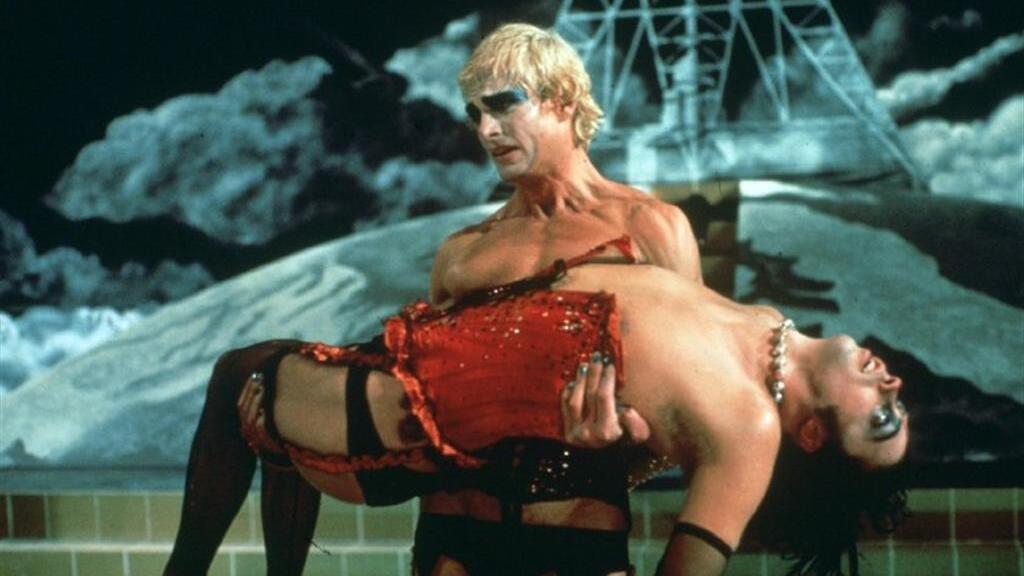
For many, attending a screening was less about discovering a movie than discovering a community.
Curry stood at the center of that experience. When he enters singing “Sweet Transvestite,” Frank does not ask Brad, Janet or the audience for approval. He invites them into his world and expects them to adjust.
That reversal was crucial. The supposedly respectable heterosexual couple are the frightened outsiders. Frank is the one who appears free.
By the standards of 2026, much of Rocky Horror no longer feels as shocking as it once did. But that is partly because culture changed around it. Ideas about gender expression, bisexuality and sexual fluidity that were once pushed to the margins have become far more visible in mainstream entertainment.
Curry’s Frank-N-Furter helped make that visibility imaginable.
The character also allowed viewers to see flamboyance not as weakness but as power. Curry’s Frank could be vulnerable, needy and emotionally exposed, yet never surrendered the sheer scale of his personality. He demonstrated that femininity and theatricality did not diminish a male character’s charisma. They amplified it.
For queer viewers who spent their adolescence trying to suppress precisely those qualities in themselves, that could be transformative.
The irony is that Curry himself fiercely protected his private life. He never encouraged audiences to treat Frank-N-Furter as a confession about his own sexuality and consistently maintained a separation between his characters and his personal identity.
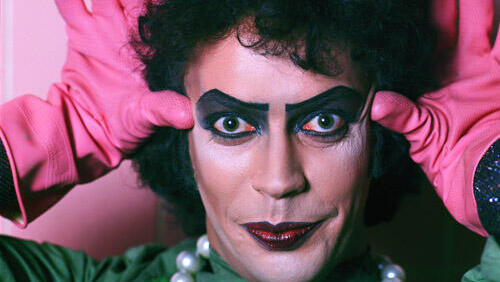
He also admitted that the role could be professionally limiting. Frank became so iconic that escaping him was almost impossible, despite Curry’s acclaimed theater work and memorable performances in Amadeus, Clue, Home Alone 2 and Stephen King’s It.
But for queer culture, that very permanence is part of the point.
Frank-N-Furter survived because the character provided something audiences were not getting elsewhere. He was not respectable representation. He was not designed to reassure mainstream viewers. He was sexually aggressive, morally chaotic, gloriously excessive and impossible to domesticate.
That made him liberating.
Most queer teenagers encountering Rocky Horror for the first time were probably much closer to Brad and Janet than to Frank: anxious, uncertain and terrified of what might happen if they crossed the boundaries they had been taught to respect.
Curry made crossing them look thrilling.
Decades later, that remains his defining contribution to queer culture. He did not simply play a flamboyant character. He made millions of outsiders feel that being too much might not be a flaw at all.