

Madeira, the stunning Portuguese island in the Atlantic, is often described as one of the most beautiful places on Earth. Towering basalt cliffs meet crashing ocean waves, rare birds and lizards roam freely, and the sunsets are nothing short of breathtaking.
But for many soccer fans, Madeira is known less for its natural splendor and more as the birthplace of one of the greatest players in history — Cristiano Ronaldo, the man with more Instagram followers than anyone else in the world.
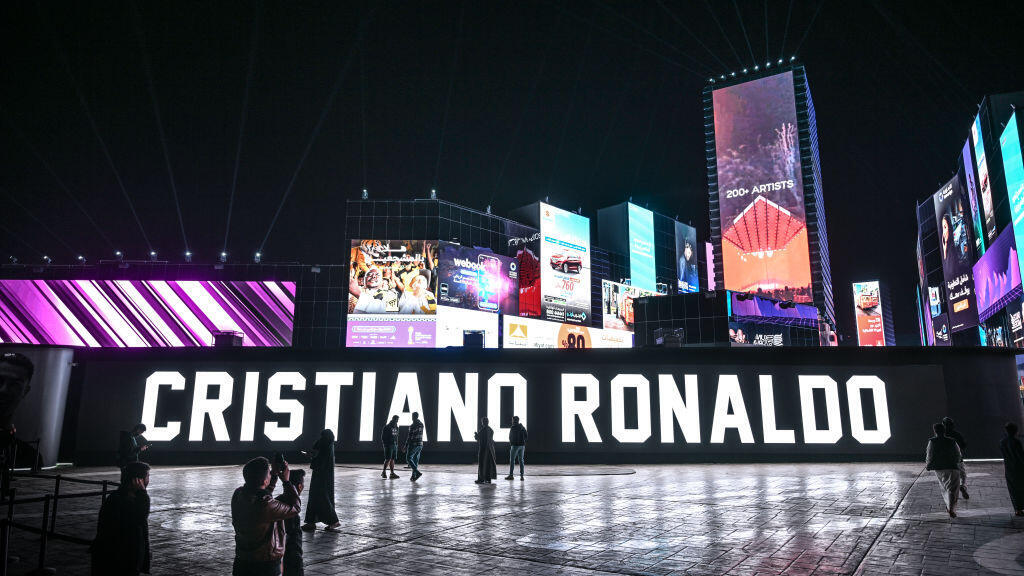
The island’s devotion to its most famous son is evident the moment you land. Madeira’s airport is named after Ronaldo — a rare honor for someone still living — and a statue of the player greets visitors just outside. The infamous original bust that gained global ridicule has been removed, replaced by a more neutral version that, while still not a perfect likeness, is at least less disturbing.
In Funchal, the island’s capital and Ronaldo’s hometown, there’s an entire district dedicated to him. The CR7 Square hosts the CR7 Hotel, CR7 Bar, and — perhaps most practically — the CR7 parking lot, a necessity in a city where parking is scarce.
The centerpiece is the CR7 Museum, dedicated entirely to Ronaldo’s career. For €5, visitors can walk through a space showcasing many of the trophies he’s won — both replicas and some originals. From Premier League titles with Manchester United to Champions League trophies with Real Madrid, and, of course, his Ballon d’Or and Golden Boot awards — all secured behind glass. Surprisingly, the most touching item may be a small cup displayed on a shelf: Ronaldo’s very first trophy, won at age eight while playing for a local youth team.
Alongside the silverware, the museum includes artwork, drawings and sculptures of Ronaldo at various career stages. A bronze statue stands proudly outside the museum, a favorite selfie spot for tourists, though not the most flattering depiction.
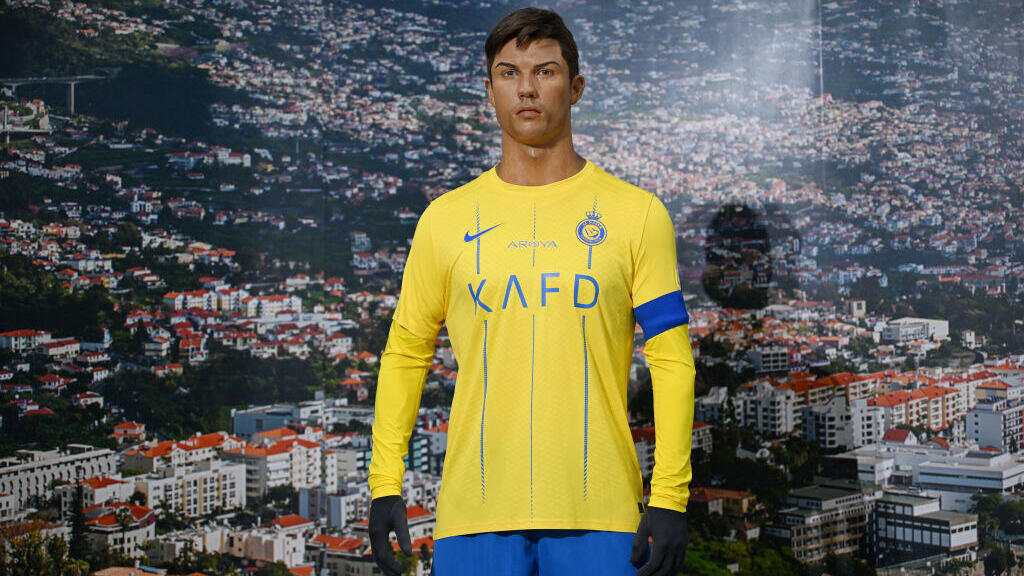
Inside the museum
(Photo: Michael Regan/Getty Images)
One particularly charming corner of the museum is dedicated to handwritten letters from children around the world. Some include colorful drawings, while others feature heartfelt notes calling Ronaldo the best player in the world and asking him — if he ever finds the time — to visit their countries. On a screen nearby, a highlight reel of his greatest moments with Portugal’s national team plays on loop.
However, for all its fanfare, the museum lacks depth. The small space offers little insight into the man behind the myth. This is disappointing, considering Ronaldo’s extraordinary rise: born into poverty on a remote island, with a father who battled alcoholism and a mother who once considered terminating her pregnancy — a decision a local doctor ultimately refused to carry out. These humanizing, even dramatic details are largely absent from the museum’s narrative, possibly out of fear that lengthy texts might bore casual visitors.
The result is a shallow experience — more shrine than story — and leaves one questioning the basis of the island’s overwhelming admiration for Ronaldo beyond his athletic achievements. If you find yourself in Madeira and are tempted to stop by, consider skipping the CR7 Museum in favor of the island’s Banana Museum. You might just learn something new.