

Three weeks ago, Katseye member Sophia Guevara Laforteza announced that she was taking a break from the hugely successful girl group to focus on her mental health. So what has she been doing with that time? “She goes to Disneyland every day,” her mother, actress Carla Guevara Laforteza, told Vogue Philippines.
Anyone who has visited the park, especially in summer, knows it is hardly a secluded retreat. Crowds are relentless, and celebrity sightings rarely go unnoticed. If this really is how the 23-year-old is decompressing from the pressures of fame, it raises an obvious question: just how exhausting must life inside the Katseye machine have become?
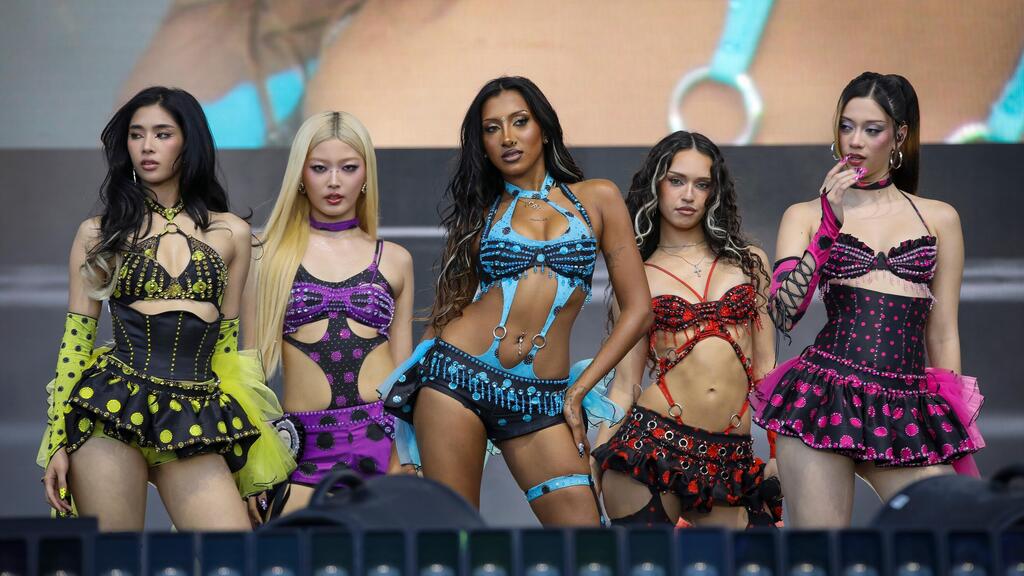
The group released its new EP, Wild, 11 days ago, but much of the conversation around Katseye has less to do with the music than with the experiment itself. What happens when six very young women, the youngest of them, Yoonchae Jeung, just 18, are dropped into the most hyperactive corner of global pop, at a time when every fan has an opinion about how they look, dress and behave, along with a platform to broadcast it instantly?
The group dynamic only intensifies the scrutiny. Katseye did not emerge from six childhood friends who decided to sing together. It was assembled through a reality competition connected to Netflix and developed as a highly controlled global pop project.
So far, the results have not been especially reassuring. In February, Hybe, the entertainment corporation behind Katseye, announced that Swiss member Manon Bannerman was taking a “temporary break” to “focus on her health and well-being.”
As the group prepared for its much-hyped Coachella appearance, it became clear that the break would continue and Manon would not perform. Then she showed up at the festival anyway, first as a spectator and later onstage during a PinkPantheress performance.
That immediately fueled speculation that the issue was not simply “health” and “well-being,” but something less comfortable happening behind the scenes. Since then, Manon has made several other public appearances, though not with Katseye.
A few months later came Sophia’s announcement, again framed around “personal health and well-being.” The timing only intensified the questions. Her leave was announced four days before the release of the group’s EP and a documentary about Katseye, two projects she had already participated in. Whether temporary or permanent, the absence of two members, one-third of the original lineup, has turned every movement by the remaining four into an event.
Recently, Megan Skiendiel missed promotional appearances and felt compelled to reassure worried fans that she had not left the group. She simply had a cold and took a day off. Among Katseye’s fanbase, known as Eyekons, even that was enough to trigger a full day of speculation online.
Squeezing the machine until nothing is left
It is easy to mock the frenzy that erupts every time a Katseye member sneezes, but the phenomenon is hardly new.
What is more revealing is the way the industry now manages these moments, and what that says about how pop has changed under the pressure of social media, constant surveillance and a growing public awareness of mental health.
The attempt to engineer pop careers is as old as Elvis Presley and the Beatles. It has always carried a price: loss of privacy, manipulation by powerful industry figures and relentless pressure to keep generating money, often at the expense of the artist.
As the business became more dominant and pop culture learned that a three-minute music video could conquer the world, while the lives of stars became increasingly visible, the breakdowns became more public too.
Britney Spears shaving her head. Amy Winehouse appearing onstage while visibly intoxicated. Justin Bieber seemingly killing time onstage rather than performing. From the outside, the reaction was often the same: someone needs to stop this before it gets worse. But the people running the machine have historically preferred to keep squeezing until there is nothing left.
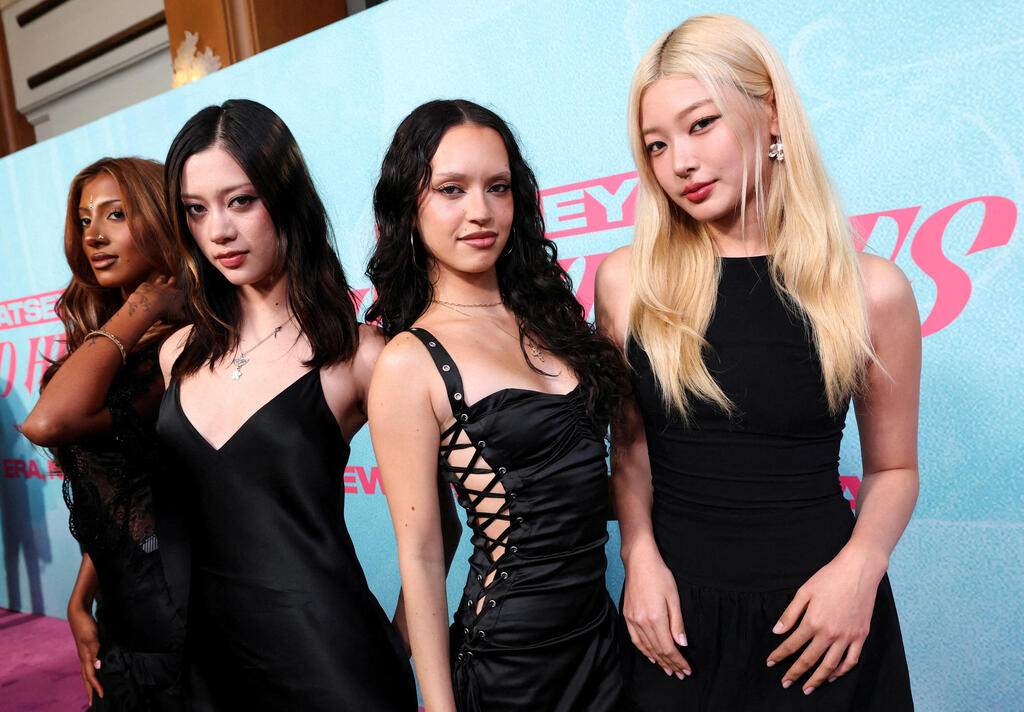
Six became four
(Photo: Reuters)
Katseye, and to some extent Ariana Grande, suggests that the mechanism behind major stars is adapting. The industry now operates in a world that simultaneously has far greater awareness of mental health and almost no expectation of privacy.
The fact that a star at Grande’s level can cancel major commitments, including a West End production, reflects a shift in the balance of power between talent and the machinery behind it. If she does not want to perform, she simply does not, and someone else absorbs the cost.
Groups are different. Ariana Grande cannot simply be replaced by another singer performing her songs. Pop groups, however, can survive a departure or lineup change. That makes things both easier and more complicated. Groups like Katseye, and many K-pop acts in particular, are built around distinct personas. Each member has a carefully defined identity and, often, a dedicated fan community.
Katseye’s multinational makeup adds another layer. The idea is positive in principle: represent as many cultures and identities as possible. But it can also create new vulnerabilities, particularly when toxic sections of fandom turn racial abuse against individual members, as happened in the British group Little Mix.
That comes on top of the usual pressures faced by young women who become fixtures on teenage playlists worldwide: harassment, invasive attention, obsession with their weight and endless scrutiny of their appearance.
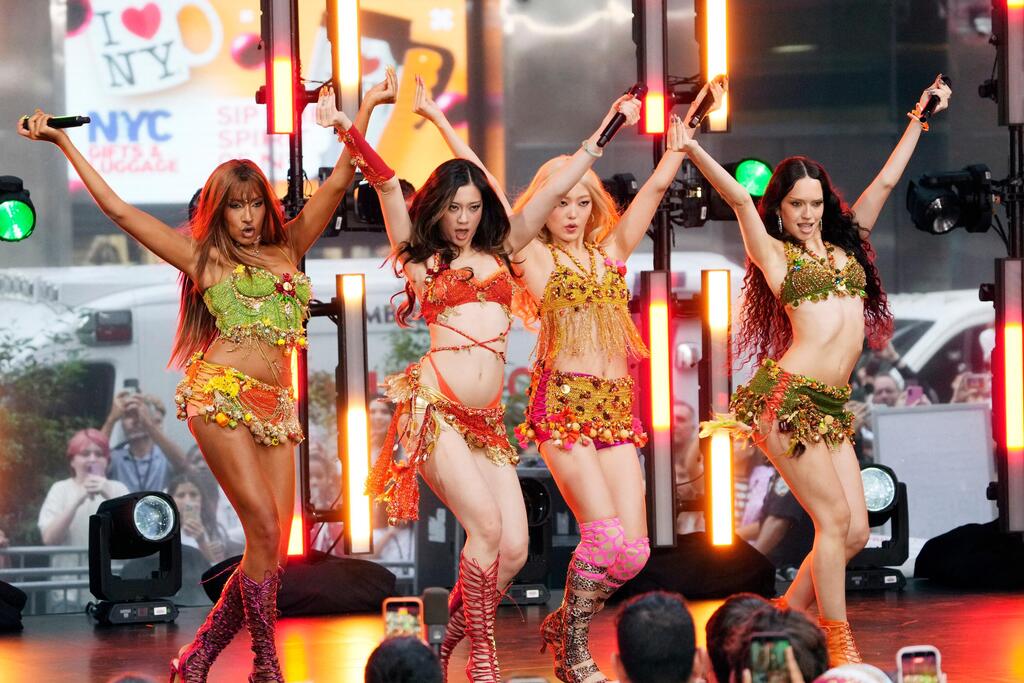
Katseye
(Photo: Charles Sykes/Invision/AP)
Katseye appears to be trying to have it both ways. On one hand, the people managing the group want to acknowledge the importance of mental health and avoid looking exploitative. On the other, they reveal very little about what is actually happening. That vacuum inevitably fuels speculation and conspiracy theories online, hardly the ideal environment for anyone supposedly seeking peace of mind.
The fact that Katseye is one of the most engineered corners of contemporary pop does little to inspire trust. It is difficult to imagine that a corporation like Hybe is motivated simply by a desire to see Manon or Sophia happy and relaxed. The darker suspicion among fans is that even the gossip surrounding their absence has become part of the buzz.
Very few people know the truth
Curiously, the one place largely untouched by the turmoil around Katseye is the music itself. Wild is about as personal as an airport boarding announcement. That does not mean it is never entertaining. Tracks such as Pinky Up and Hootie Fruttie can be catchy in a deliberately silly, irritating way.
But anyone looking to the record for clues about what Katseye has been going through in recent months is unlikely to find much. There is one striking exception. Animal, written by Ed Sheeran and produced in part by Omer Fedi, opens with the line: “You’re the boss, you run the circus.”
The accompanying video, which amassed 67 million views in a month and features Demi Moore, shows the five members dancing inside an isolated room while versions of themselves, dressed as stern executives, watch from outside.
Are Katseye the animals in the cage, or the people running the circus? Very few people actually know. And the people who do seem determined to keep it that way.