

I remembered that somewhere deep in the closet should be my Walkman player. Yellow. Big. Indestructible. You could drop it from the fourth floor and it would be fine, protected by rubber padding on all sides, including the buttons.
It was built to play cassettes forever. Its maker, Sony, really accounted for every possible scenario, every danger, every potential malfunction, except one:
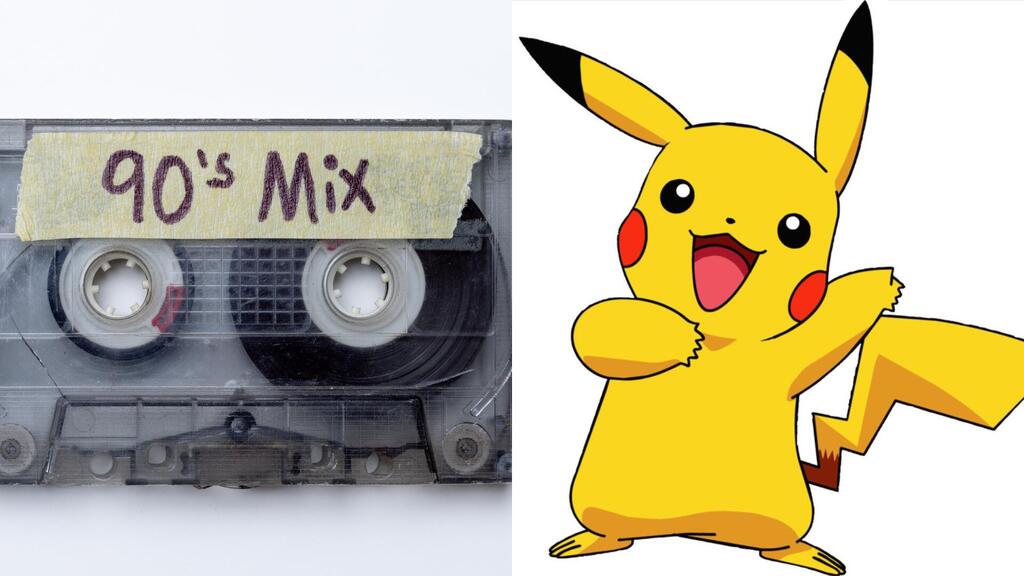
That the cassette itself would become extinct.
And that the CD would be gone after it.
And that the devices holding all the music ever created via streaming would also fail. Damned mobile phones. No one has patience for them anymore.
An entire generation is saying goodbye. A generation labeled Gen Z, born sometime between 1997 and 2012 into a world of constant connection, links, documentation, selfies and notifications, now wants, at least occasionally, to take a step back.
They are turning to the 1990s out of nostalgia for the last analog era in human history, which they can only imagine: a time of "Sex and the city", "Friends", "Will and Grace", extreme female body standards embodied by Naomi Campbell, Kate Moss and Victoria Beckham, clean fashion stripped of logos now nostalgically labeled “Y2K aesthetics,” and above all a time when you could end a phone call definitively by snapping your phone shut. That is far more satisfying than a casual swipe on a screen.
Gen Z’s documented nostalgia for the 1990s goes beyond typical cycles in pop culture. Studies show this is the most nostalgic generation ever. A quick scroll reveals TikTok trends like “Mom, what did you do in the ’90s?”, the return of brands such as Fila, New Balance and Nike’s retro lines, the resurgence of low-rise and baggy jeans, crop tops, platform shoes, everything Jennifer Aniston would wore on “Friends,” everything Elaine Benes wore effortlessly and therefore made iconic.
You see them crowding Urban Outfitters stores in major Western cities, lining up with items identical to what their parents once bought in the same places in the ’90s. They are buying vinyl records and film cameras because “it’s really hard to take poor-quality photos with a phone, and that’s the goal,” as fashion journalist Shelly Gross puts it. She says she is raising two children, ages 20 and 23, who have fallen deep into the time warp.
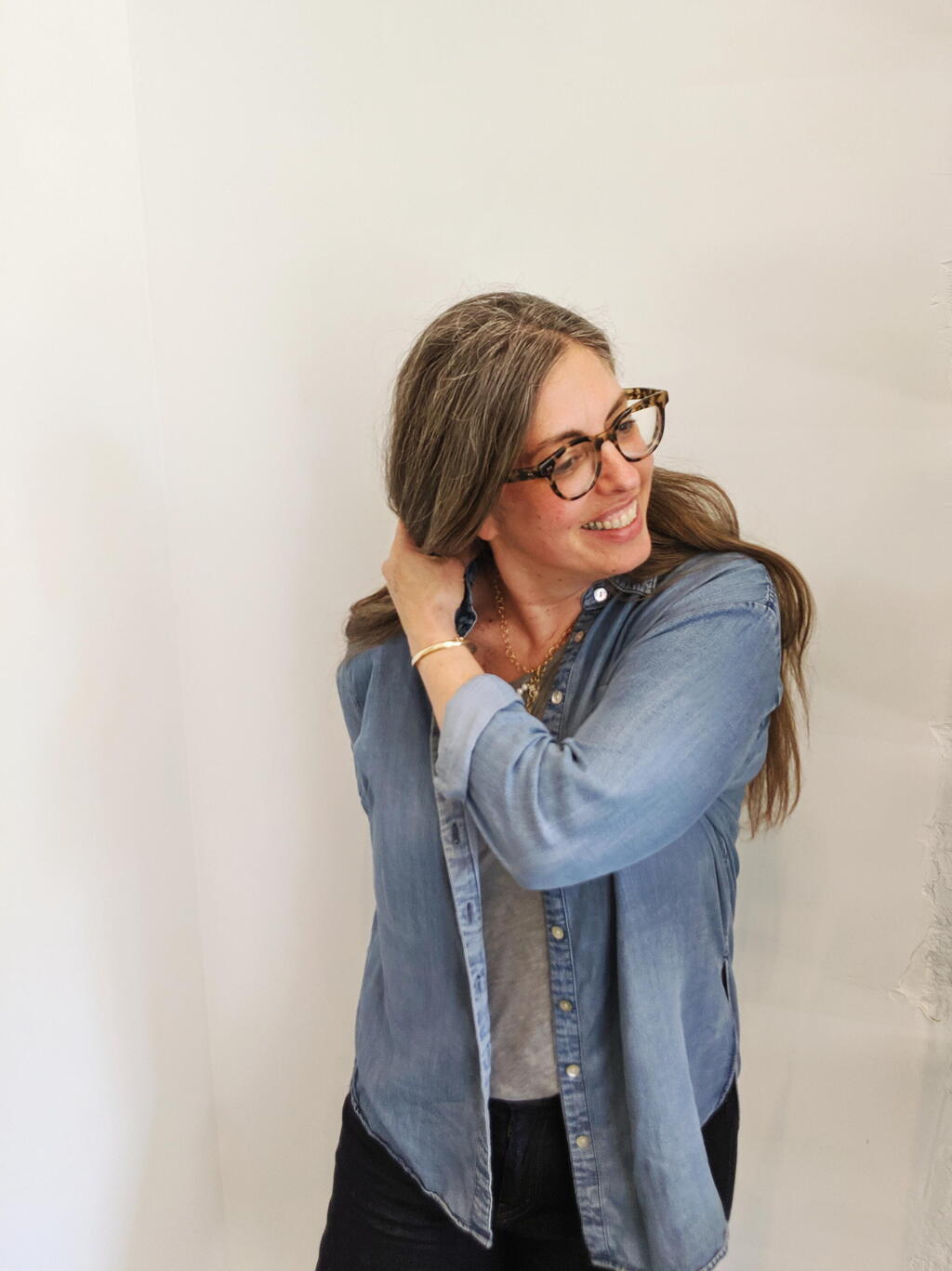
Shelly Gross
(Photo: Nirit Gur-Karby)
“My son just came back from Amsterdam with a Walkman and two cassettes,” she says. “It’s expensive and we’re paying for it. We kept some vinyl but not cassettes. Buying cassettes now is insane. He also has a Casio watch. It fits a broader trend of returning to analog watches. In Israel, anyone who served in the army knows the advantages of an analog watch, but later they develop taste.”
Yes, the Israeli version of the global trend is different, but the idea is the same: people who were not even planned in the ’90s, a decade that focused on the next rave, the next music video, the next short film, are nostalgic for a world they never knew but believe they would have loved. Unrecorded outings without selfies, smoky clubs, tight American Apparel clothes and overly loose jeans, unexpected knocks on the door from friends inviting you out, and above all the ability to live without constantly documenting yourself living. “I think about my past in the ’90s and there is no evidence, and that is something worth missing,” Gross says.
Are you nostalgic for the ’90s?
“I don’t miss being in my 20s, but I do miss the rent prices of the ’90s. I’m glad I was there and stuck there, because I’m like a stopped clock and now the world meets me again.”
Vinyl record
(Photo: Sasha Chornyi/Shutterstock)
The world that never experienced it firsthand imagines the ’90s as calmer, more spontaneous, less connected. And there is some truth to that. The internet existed, but it was less intrusive, and life moved more slowly. Even connecting online required waiting for the modem to finish its distinctive screeching sound. Today’s life does not wait. Constant connection, endless stimulation, no pauses. You blink and you miss it. Infinite scrolling leaves no room for reflection.
People born not long ago find themselves trying to step back and understand where, if anywhere, there is still space to be themselves. “Everyone has basically the same iPhone model, but when I was a kid there were Motorola and Sony Ericsson, and there was more of a connection,” says Mia Druckman, 26, editor, presenter on Kan 88 and Reshet Gimmel and a DJ in her free time. “I used to put stickers on my phone and felt unique. Today we have to look harder to find something that makes a difference.”

Mia Druckman
(Photo: Meital Izbicki)
She misses “things I grew up with, even the Tumblr era of 2010, and the early blog aesthetics, when people were real bloggers, not influencers.” She also misses “the lively color in music my parents listened to, which I returned to. Eurodance, Ace of Base, ‘Happy Nation,’ and TikTok edits of ’90s shows and characters bring us back there. ‘Sex and the City,’ ‘Gossip Girl,’ ‘The Sopranos,’ these are cultural staples you have to watch.”
Yes, this is a generation that absorbs the ’90s through TikTok and YouTube Reels, in bite-sized fragments of songs and film scenes, 20 seconds at a time. But that is enough to fuel obsession. After Olivia Rodrigo appeared at the White House in a Chanel suit inspired by “Clueless”; after cassette sales in the United States surged more than 200% in a single quarter in 2025, and Taylor Swift and Billie Eilish released new albums on cassette; after the series “Love Story” revived ’90s aesthetics of minimalism, straight hair and clean styling in the spirit of Carolyn Bessette Kennedy; and after “Trainspotting,” a distilled essence of the ’90s, returned to theaters and became a West End musical, it is clear the world is trying to return to the womb, to a fictional innocence of less control and less documentation. And that womb, for Gen Z, Gen Alpha or even remnants of millennials, was active mainly in the ’90s.
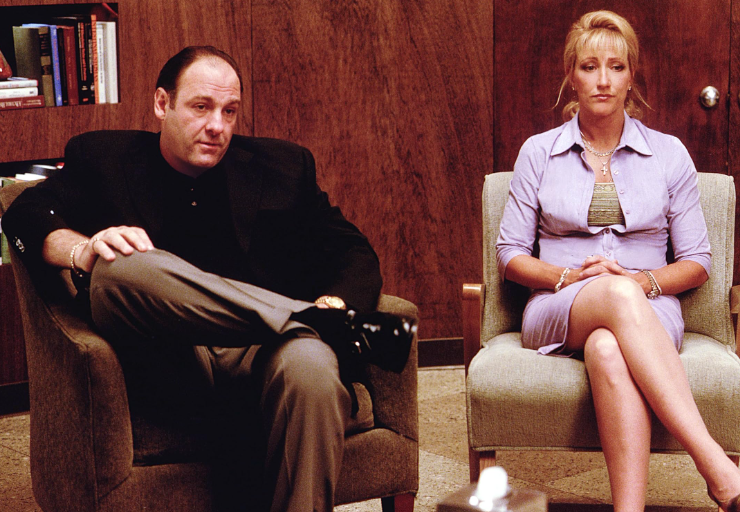
From 'Sopranos'
(Photo: IMDB)
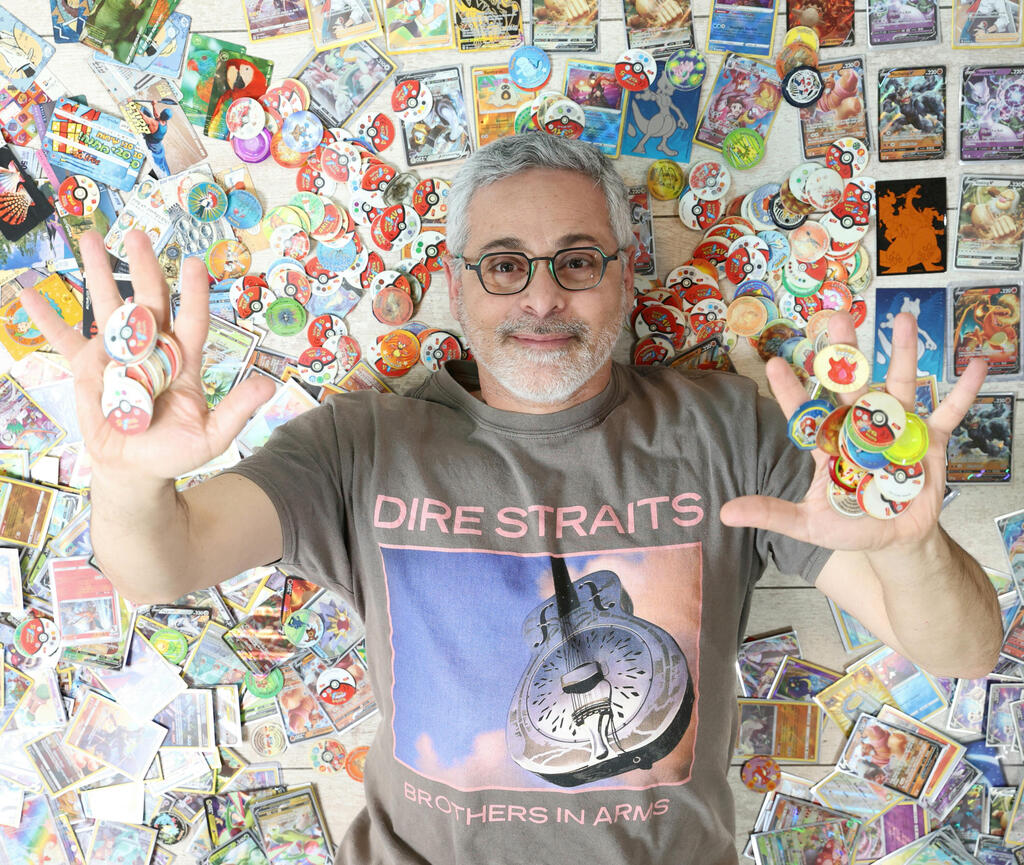
“Every person misses their childhood,” says Mordi Alon, former journalist, founder of the Glory publishing house and, trying to explain why someone would “pay hundreds of dollars for a Supergol” soccer trading cards.
Alon now makes a living, in large part, by identifying Israeli nostalgia for the ’90s. Not only from Gen Z but also from those who grew up then. “People in their 40s are collecting what we once had and threw away. Just yesterday I was sorting through a pile of Supergol cards. I used to see them in flea markets and ignore them. Today I know they can sell for 2,000 to 3,000 shekels per album.”
What else is in demand from the ’90s?
“Almost anything electronic: Game Boy, Pokémon, which started in 1995, and of course Pogs. Some Pogs sell for $300 to $400. One of the rarest is from ‘The Comedy Store’ series, with a mad professor and a machine and a caption that says ‘a machine that enlarges your penis.’ Parents protested and the manufacturer censored it, so first editions are now worth hundreds of dollars.”
Mordi Alon
(Photo: Elad Gershgorn)
He adds that cassette tapes are also making a comeback. “A cassette of Mashina’s (Israeli pop rock band) first album can sell for 1,000 shekels. A year ago I wouldn’t have paid ten.”
Accordingly, he also sells relics like “Chabura Zevel” cards and “Zbeng” comic series by Uri Fink. “A Zbeng notebook goes for 300 to 400 dollars even if it’s scribbled in. These objects tell a story about the ’90s more than TikTok videos ever could.”
One of the most sought-after items is the “Bombers 97” football sticker album, which promised a prize of a quad bike for completion, except one card was never found. “People come to me in tears offering 10,000 shekels. I tell them: it doesn’t exist.”
But even Alon knows that today’s collectors are not digging through flea markets. They are “keyboard collectors,” searching online catalogs and Facebook groups. It is ironic: a generation using smartphones to romanticize a less connected era, then buying it online.
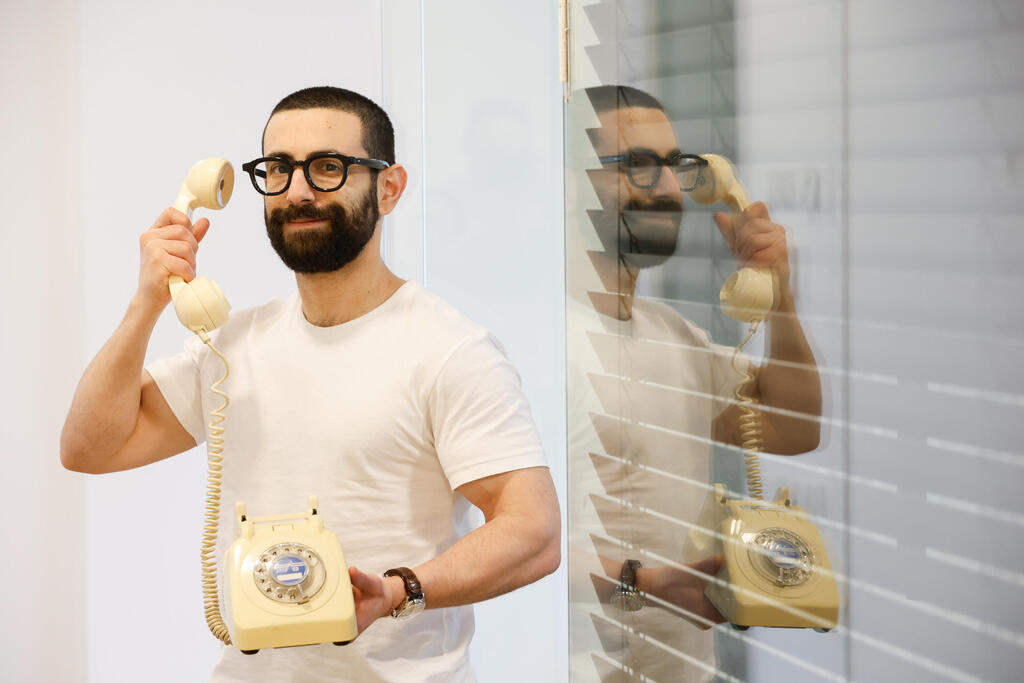
Some try to bridge the gap. Yoav Maor, 37, a creative director at an advertising agency, bought a “dumb” Nokia phone to avoid constant distraction.
Yoav Maor
(Photo: Nimrod Glickman)
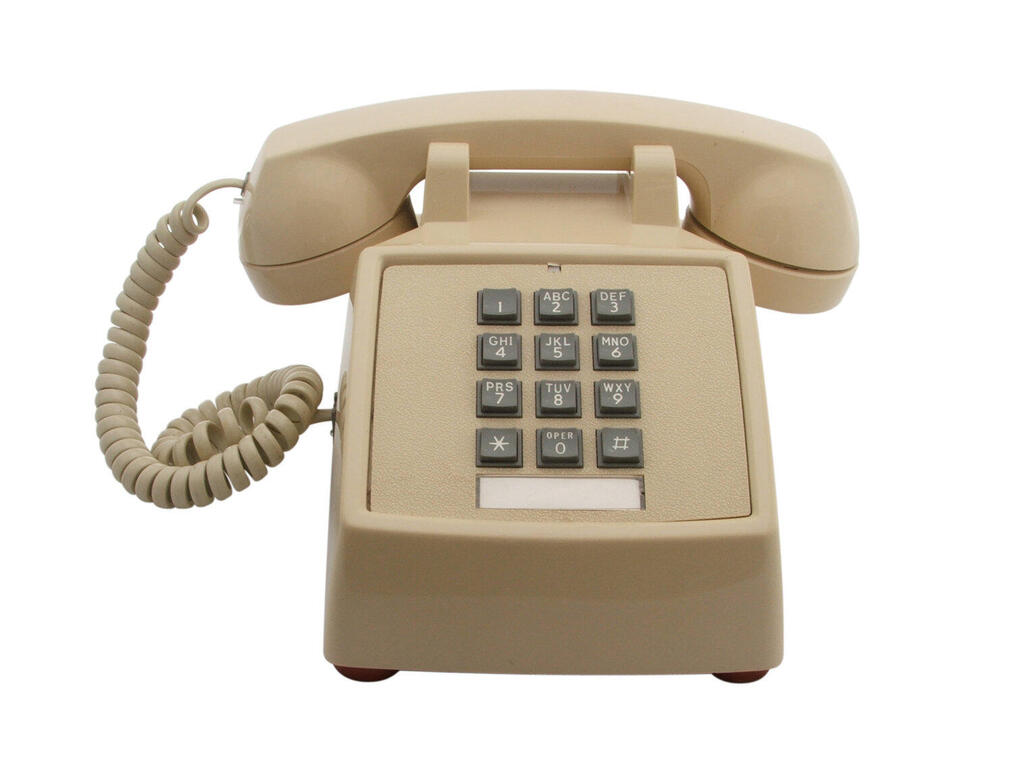
“I realized checking WhatsApp and social media was an endless loop,” he says. “I wanted to be more present.” He also keeps a rotary desk phone in his office and listens mainly to Israeli ’90s music. He wears New Balance sneakers “like my father used to.” He calls it “regression” but says, “I want to renew myself through the old.”
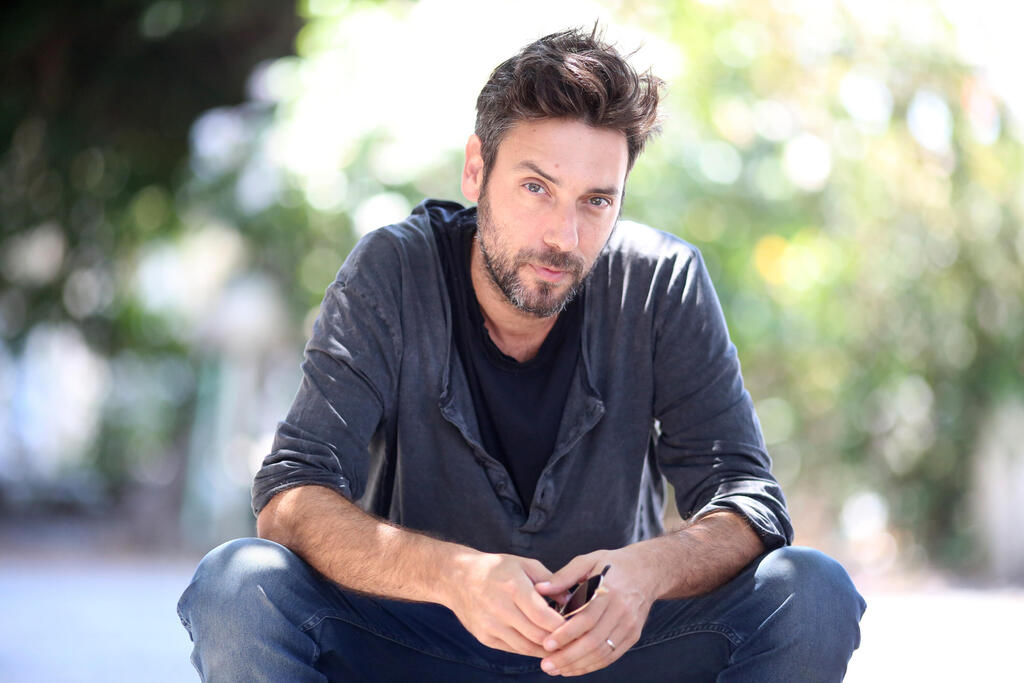
Football fans are also searching for original 1990s team shirts. Designer Yaron Shilon says demand is growing. “In the ’80s anything with a shirt was authentic. In the ’90s brands like Diadora flooded the market. Now small details determine authenticity and prices can reach thousands of shekels.”

From 'Pokemon'
(Photo: PR)
So how does nostalgia for a place you never experienced arise? Looking at today’s world, it is not hard to imagine why people feel earlier decades were better. The present is fast, saturated, exhausting. Even a brief exposure to today’s music culture or reality TV personalities raises the question of whether things were more genuine in the era of rock bands, clubs and pre-digital fame.
Music editor Eran Litvin says younger audiences light up when discussing the ’90s. “Rock was thriving then. Today hip-hop and pop dominate. People miss what they don’t have. When older albums are reissued on vinyl, like Eifo HaYeled or HaMakhshot, young listeners go crazy.”
Landline phone
(Photo: Troy Kellogg/Shutterstock)
He adds: “It’s about longing for what you weren’t part of.
The cycle of nostalgia is shrinking. The ’90s are the distant edge, but now people are already nostalgic for 2016. Sociologists may describe this as cultural stagnation and corporate recycling of past ideas, but it may also reflect a longing for authenticity.
The ’90s themselves were not purely innocent. They included homophobia, racism, sexism and Harvey Weinstein-era power structures that existed before widespread accountability mechanisms. In Israel, the nostalgic version of the decade arguably lasted only a few years between the Gulf War and the assassination of Yitzhak Rabin.
Yaron Shilon
(Photo: Tomariko)
So the longing is not for the real ’90s but for a curated mythology: a simpler time without constant documentation or digital overwhelm. As Shelly Gross puts it, “’90s fashion is basically normcore. Jeans, a black T-shirt and black shoes work in any decade.”
It is likely the ’90s will keep returning. They produced objects designed to last. Eventually I found my old yellow Walkman in the closet. Slightly scratched but still working. Two AA batteries, an old cassette, press play, and it still runs.
I would take it jogging if I could find simple foam headphones and if it could, of course, receive calls.
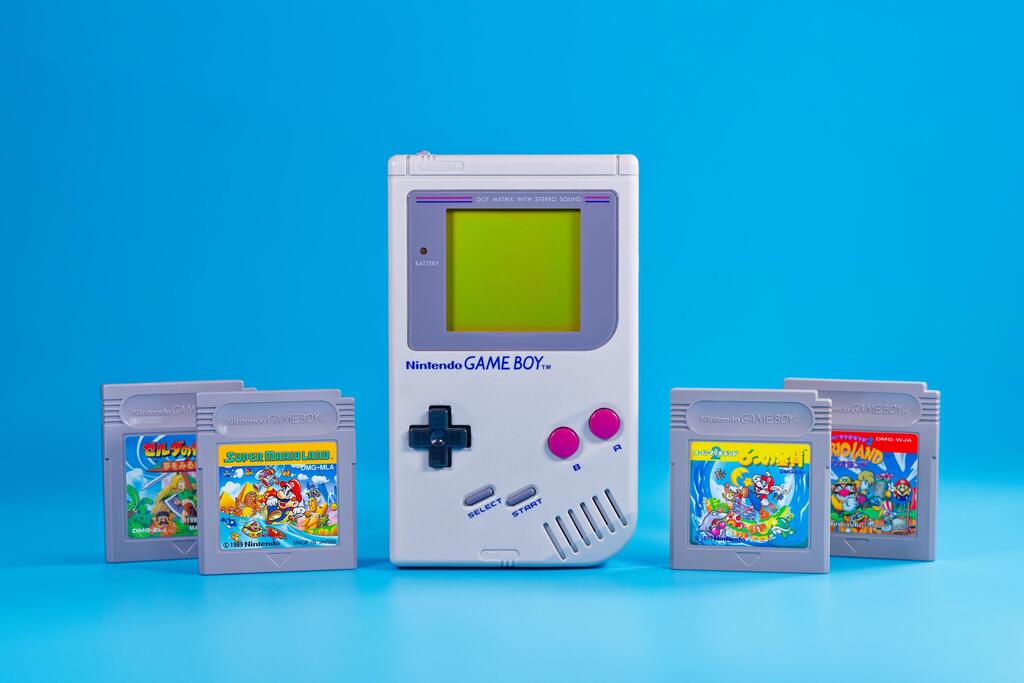
Game Boy
(Photo: Matthieu Tuffet/Shutterstock)