

The first trailer for “The Social Network” is a small masterpiece, no less perfect than the film itself. Its opening, under a minute long, does not touch Facebook’s origin story, Zuckerberg, Harvard, or any of that jazz. It is a simple montage of smiling, sad, lonely faces, a smiley emoji, and an “add friend” button. Over it, plays one of the most overplayed songs of our lives, Radiohead’s “Creep,” in an a cappella version. In any commercial this montage would be peak schmaltz, yet here the emphasis lands on lyrics that became an anthem of a lost generation long before the internet: “I want to have control, I want a perfect body, I want a perfect soul.” We want a perfect body, a perfect soul, and above all, control over our lives.
When the trailer dropped in July 2010, no further explanation was needed. Facebook, the website in a browser for most people who did not yet know what an app was, was barely six years old and spreading like wildfire. In the two crucial years before the film’s release, 2008 to 2010, it quintupled its users and crossed the half-billion mark. Everyone knew what it was. People found friends on Facebook, started relationships on Facebook, and debuted a Facebook persona. A scan of the period’s newspaper archives shows that any story looked better if it ended with the word “on Facebook.” TikTok did not exist, Twitter was for mega hipsters, and Instagram launched six days after the film opened. Back then, “social network” meant one thing only. And early on, many also understood what it did and what damage it could cause.
When the movie hit theaters exactly 15 years ago, minus a day, on Oct. 1, 2010, audiences discovered it was not really about the network, loneliness, consequences, or bottomless sadness. It was about the man who built it, Mark Zuckerberg. At the time he had yet to turn 30 and was already Time’s Person of the Year. He was a revered entrepreneur, living proof that American capitalism, and the Jewish genius, were not myths. He was also a walking “Revenge of the Nerds,” showered with praise everywhere except one small place: the film about his life.
A biopic about a living person is rare. A biopic about someone not yet 30 and still at the dawn of his career is some kind of record. A biopic about a cultural hero that opens with dialogue as caustic and cruel as the one in this film’s first scene, ripping off his mask from the start, is almost unimaginable.
“The Social Network” opens with a bravura scene, six minutes in a Massachusetts bar in 2003. Two not-especially important students sit together: Mark Zuckerberg, played by Jesse Eisenberg, and his fictional girlfriend Erica, played by Rooney Mara. They trade barbs until the resounding breakup. Erica quietly tells poor Mark what she thinks of him, and what the film thinks of him: “You’re probably going to be a very successful computer person, and you’re going to go through life thinking that girls don’t like you because you’re a nerd. And I want you to know, from the bottom of my heart, that won’t be true.” Close-up. “It’ll be because you’re an asshole.” Ouch.
You can wonder what drove the three creators, not exactly known as softies themselves , screenwriter Aaron Sorkin, director David Fincher, and producer Scott Rudin, to open a movie about the year’s most talked-about figure, a young striver who had barely seen the world, with such bitter accusations that many would call unfair and ugly. It is lucky Sorkin and Rudin are Jewish, or we could add one more unpleasant layer. Hollywood films are said to sand down reality, flatter the lowest common denominator, and celebrate fearless American heroes. Yet in the first 10 minutes, and throughout the remaining 110, there is more meanness toward a protagonist framed as a villain than in many misanthropic films by Michael Haneke or Lars von Trier.
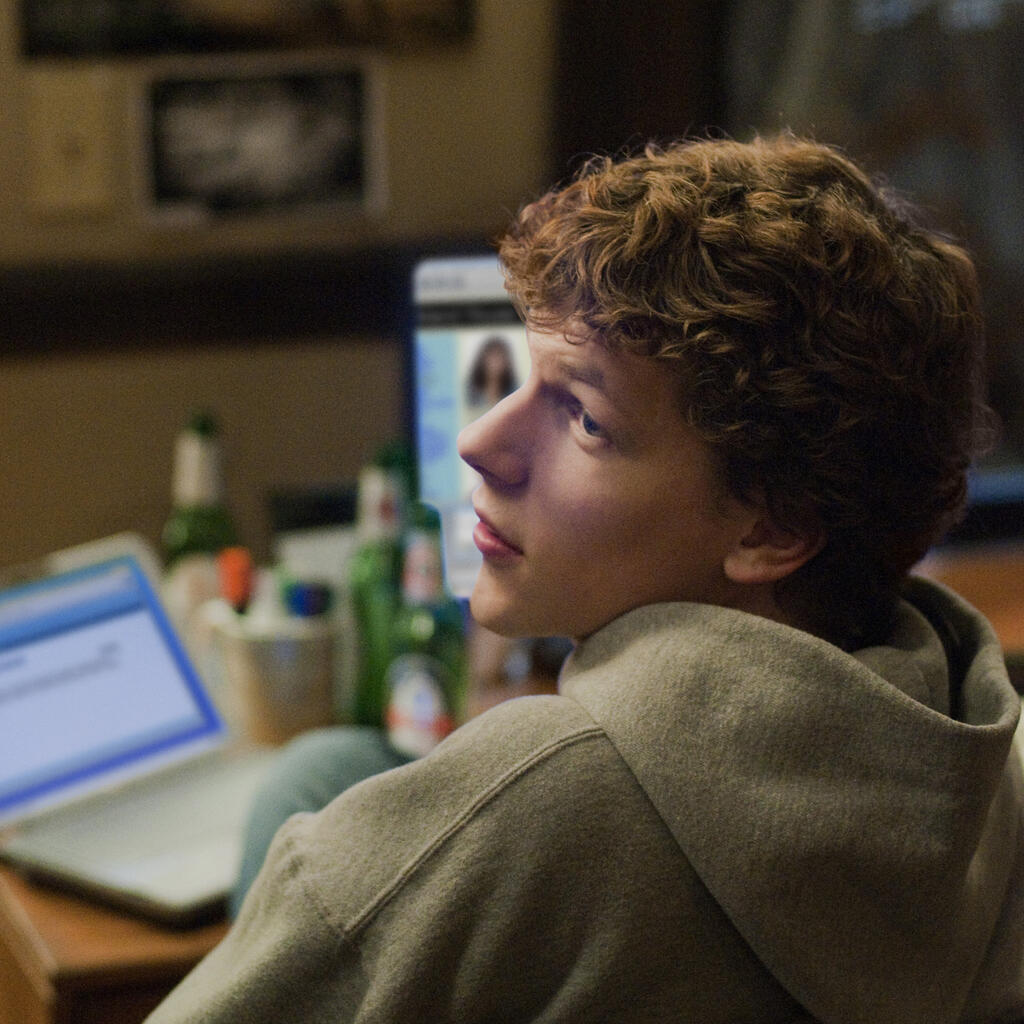
Jesse Eisenberg as Mark Zuckerberg in "The Social Network"
(PR)
Why push so hard? Here is one idea. At least two of the gifted trio clearly harbor a very dark streak. Fincher made “Se7en” and “Fight Club,” enough said. Rudin, one of Hollywood’s great producers, from “Clueless” through “The Truman Show” to “No Country for Old Men,” was later canceled when, among other allegations, an assistant died by suicide after enduring his serially abusive behavior. Maybe they wanted to tell us what the film was truly about, which is also about themselves. It is not about social networks, loneliness, Radiohead songs, cute nerds, and girls. It is not even about rapacious or inspiring capitalism. It is about assholes.
Just like William and Harry
So what is the film about on its surface? A reminder: “The Social Network” is based on a nonfiction business book, exploitative to be honest, Ben Mezrich’s “The Accidental Billionaires,” published a year before the movie. That was a first. Studios always chase New York Times bestsellers, but books about lawsuits between founders, control stakes, and tax shelters were not exactly top of the list. “The Social Network” changed that. Afterward came “The Big Short,” “BlackBerry,” and the Steve Jobs movie that we will get to in a moment.
Though labeled nonfiction, Mezrich deserves credit for writing supposedly boring material as a twisty story with heroes and villains. The plot does sound boring on paper. The film centers on two separate lawsuits against Zuckerberg by three people who claimed their share of Facebook’s creation was no smaller than his: the Winklevoss twins, played in a terrific double turn by Armie Hammer, and Zuckerberg’s betrayed friend Eduardo Saverin, who eventually regained the credit “co-founder of Facebook.” Andrew Garfield played Saverin, winning the Spider-Man suit thanks to this role.
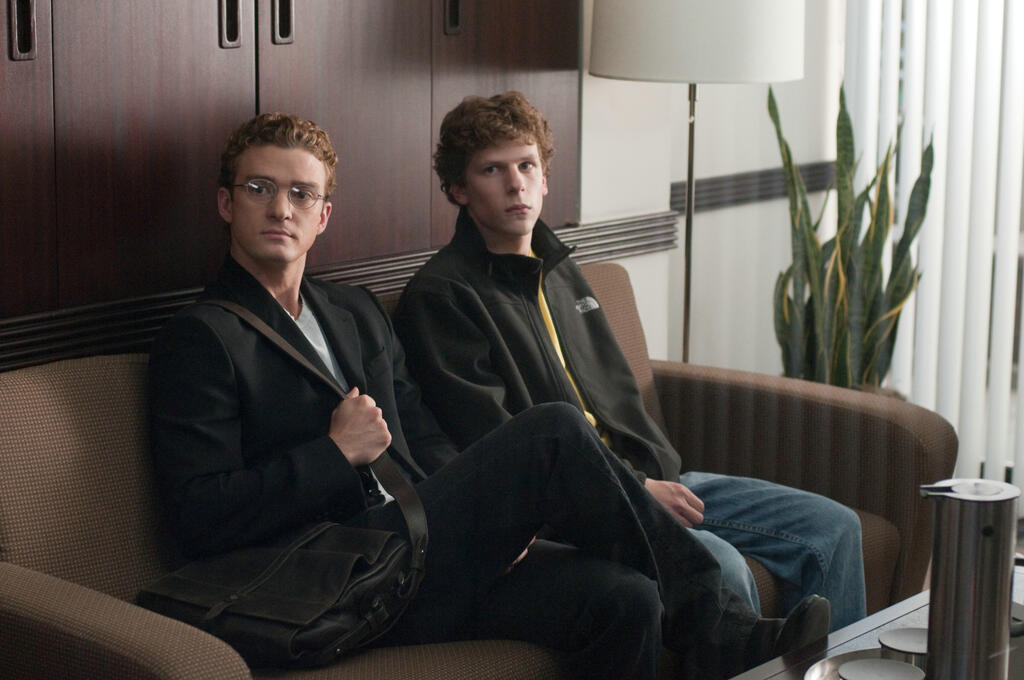
It sounds boring. It looks boring- but it isn’t. From The Social Network
(Photo: PR)
Unsurprisingly, Saverin was the principal source for the book and the movie, while Zuckerberg refused to sit for interviews from the start. So it is easy to say the project is first and foremost a score-settling from the friend turned rival, with a very partial point of view. There is another notch in the film’s ledger of unfairness. There is a hero. There is a villain. Garfield is much more dashing than Eisenberg. And we hear only one side.
Assuming Zuckerberg’s wounded honor is not your main concern, the film contains a genuine cinematic insight. At its core, “The Social Network” is a love story and a breakup movie. Platonic, straight, between friends, yet still a painful separation. Zuckerberg’s defining trait throughout is his capacity to cut off friends. The way he handles Napster founder Sean Parker, played by a very good Justin Timberlake, is telling. Parker is a mentor for a minute who instantly becomes someone to be disposed of, gangster-movie style.
That is not the only cinematic coup. The litigation scenes, set in gray Massachusetts offices that every screenwriting class would flag with a “run away” warning, become the film’s highlight in Sorkin and Fincher’s hands, with razor-sharp lines still quoted today. “You have part of my attention. You have the minimum amount.” On craft alone, it is hard to overstate what Fincher and Sorkin, both fond of showing off — think the kinetic dialogue of “The West Wing,” or the swaggering sequences of “Fight Club” and “Se7en” — do here by seemingly doing the opposite. It plays like a self-imposed exercise to prove to themselves and everyone else that they are still the smartest people in the room even if you tie them to an office chair and bore them with technicalities and bureaucracy. A little like Zuckerberg himself.
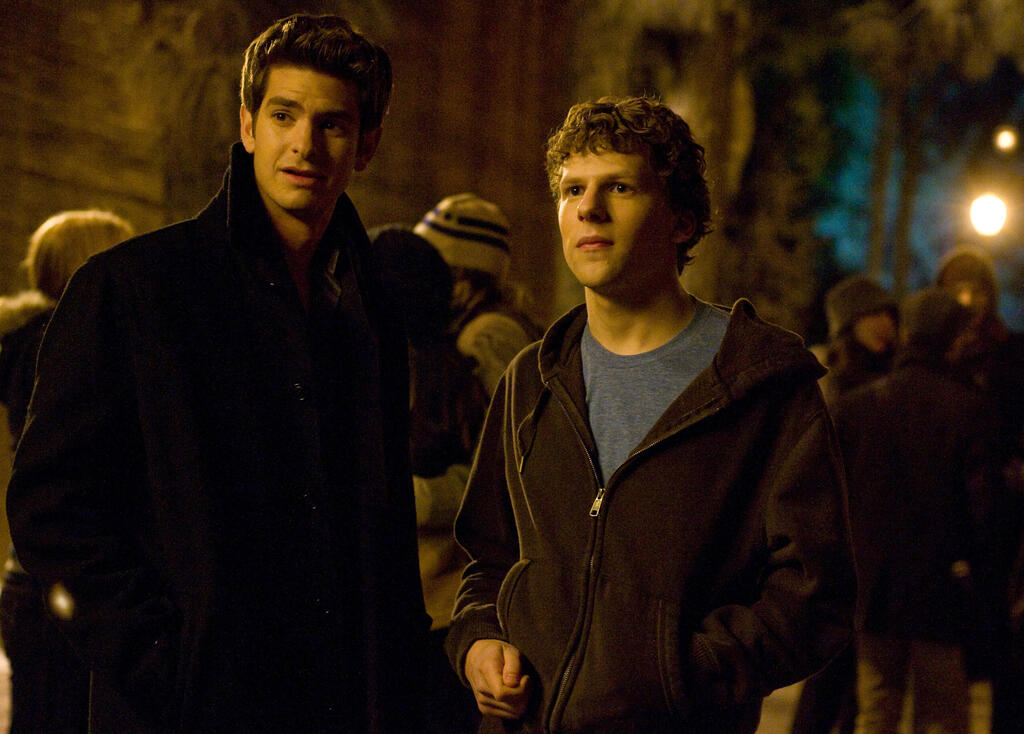
It’s really a love story. Jesse Eisenberg and Andrew Garfield in "The Social Network"
(Photo: yes)
There is really one quintessentially Fincherian set piece near the end, full of movement and music, the rowing-crew race that functions as an on-the-nose metaphor for the Winklevoss brothers being left in the wake by Zuck. The rest is intentionally trapped in offices and college rooms. Trent Reznor and Atticus Ross, the Nine Inch Nails members making their first major film score, set the tone. On its face, it is a small, drab story about unsociable, possibly autistic people in an unglamorous setting. In practice, it contains a world.
Ross and Reznor won the Oscar for that groundbreaking score, credit to the Academy for recognizing it. Sorkin did too, because honestly, how do you dodge that virtuosity. Who got snubbed were the film and Fincher, who has been chasing his Oscar ever since. Who won instead? The dreadful “The King’s Speech,” a film that plays like a parody of the most banal Hollywood biopic. It is propaganda for a rich man, sandpapering the dark edges of its hero, an indolent king who favored appeasing Hitler and was no great admirer of Jews, then in the finale magically becomes the man who single-handedly wins World War II with a silly speech. It is a film irrelevant to our world, certainly compared with “The Social Network,” which now looks prophetic and precise, even regarding the British royal family. What are William and Harry if not British versions of Eduardo and Mark, close brothers who split loudly and turned into petty assholes. They resemble Jesse Eisenberg more than their great-great-grandfather.
From Tony Stark to Lex Luthor
Fifteen years after “The Social Network,” its prophecy not only came true, it turned so unsettling that you might wonder if David Fincher is a robot sent from the future. Zuckerberg took part in Donald Trump’s second inauguration, alongside the chiefs of Google and Apple and Jeff Bezos of Amazon, another figure who fits the film’s template. They came to kiss the ring of the newly restored emperor, the king of jerks whose rise was vaulted by their social networks in the previous decade, then banished from the garden and blocked when convenient, and then, ahead of the last election, helped again by algorithms that favored him because his return aligned with their business plans.
Above them stands Elon Musk, the ultimate tech bro, the world’s most admired tech entrepreneur who turned his assholery toward everyone — immigrants, trans people, rivals, and his own employees — into a badge of pride. Of course there were monstrous business leaders long before Zuckerberg and Musk, people who abused workers and stabbed close friends in the back. Hi, Steve Jobs. Most hid it under sweet talk, tales about the company as a family, charitable donations, and patron-of-the-arts laurels. Zuckerberg still tries at times, when he is not posting bizarre tuxedo-and-flag videos that embrace his jerk-lord persona. Musk does not bother.
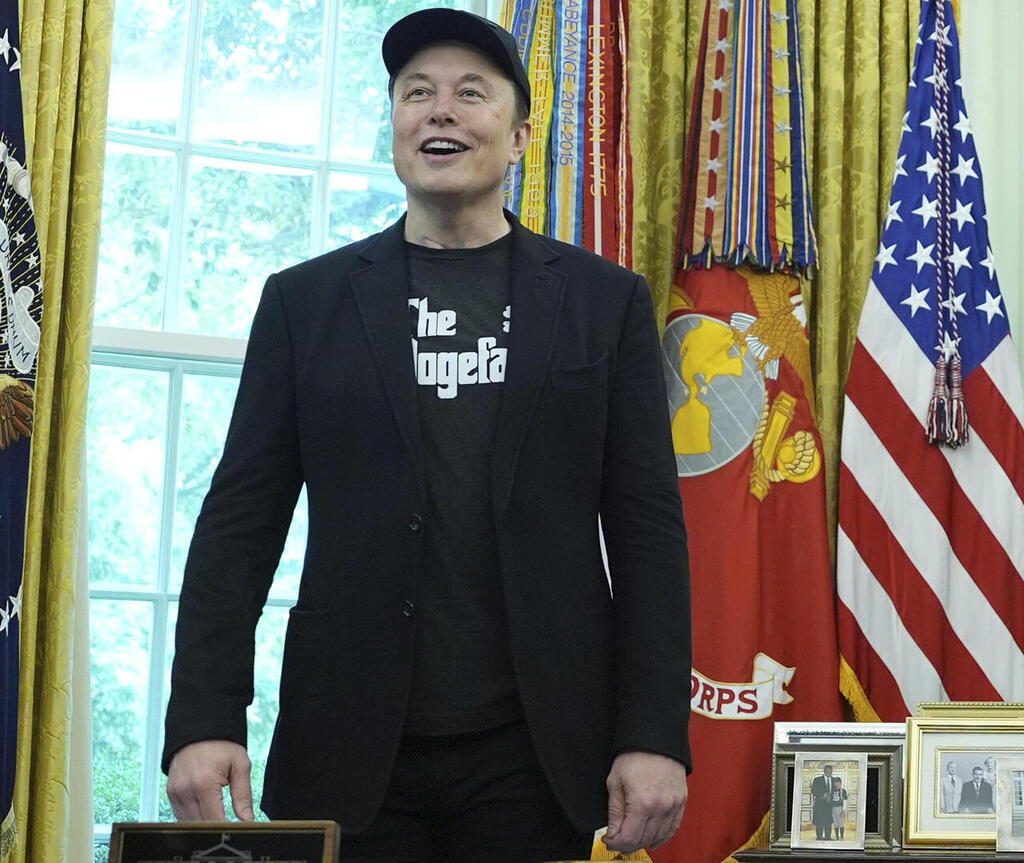
The ultimate tech bro. Elon Musk
(Photo: Evan Vucci/ AP)
“Tech bros,” a phrase coined a few years after the film, describes that world the movie refuses to lionize: a cadre of nerdy men building startups, haunting faculties and Silicon Valleys, preening as disruptors. In its negative sense, the term points to the industry’s under-discussed problems, including sexism, boys’ club entitlement, and a willingness to do anything to win. “The Social Network” does not check every negative box. Zuckerberg’s attitudes toward women are still framed as old-school nerd shyness rather than something darker. But it set a tone that kept seeping into cinema and culture. The tech bro became the new villain.
Exhibits, your honor. Start with the hit show meant to be the anti-“Social Network” yet shares much of its worldview, “Silicon Valley,” which ran from 2014 to 2019. The hero is a young, brilliant, hyper-nerdy founder who looks exactly like Zuckerberg, curly hair included. He quits a soulless tech behemoth led by a legendary, dictatorial founder who babbles new-age bromides and cultivates a North Korea-style personality cult, basically Steve Jobs. If season one tries to cast its hesitant, autistic hero as the little guy pitted against the evil conglomerate, the show and its lead grow more nihilistic as they go. Richard Hendricks, sorry, not Zuckerberg, turns out to be an asshole with a long record of stabbing his closest friends, who slowly become the people the audience truly loves.
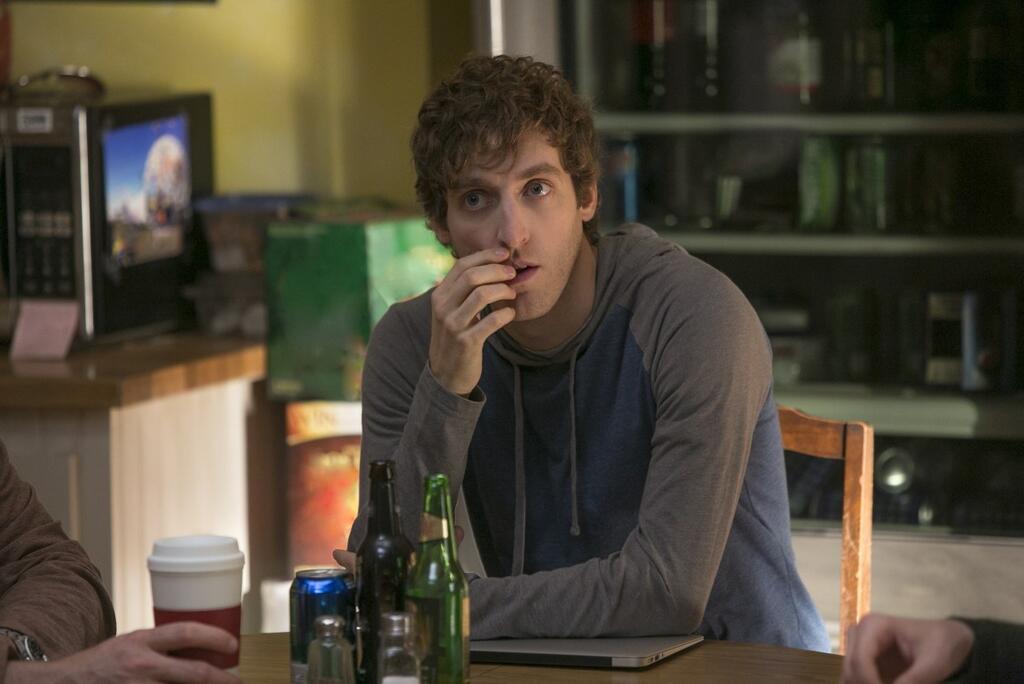
A Zuckerberg lookalike? Thomas Middleditch in "Silicon Valley"
( (Photo: HBO PR))
The movies are less nuanced. Every third thriller and superhero film now trots out a Musk-like villain, an “inspiring” businessman revealed to be plotting world domination. See “Venom,” “Free Guy,” “Spider-Man: Far From Home,” “Glass Onion,” “Don’t Look Up,” and “Ex Machina.” In the new “Superman,” Nicholas Hoult’s Lex Luthor commands an army of monkeys that smear Superman on social media, literally.
It is amazing to recall that 17 years ago, two years before “The Social Network,” the Marvel Cinematic Universe launched with “Iron Man,” a film that introduced Tony Stark as a benevolent tech billionaire, preferable to feckless governments and militaries. However Marvel spins it today, Stark as played by Robert Downey Jr. drew obvious inspiration from Musk, who was then the “good billionaire,” handsome enough and preternaturally talented. Musk even cameoed in “Iron Man 2.” Tony Stark is dead now. Elon Musk is very much alive, on screen and in our reality.
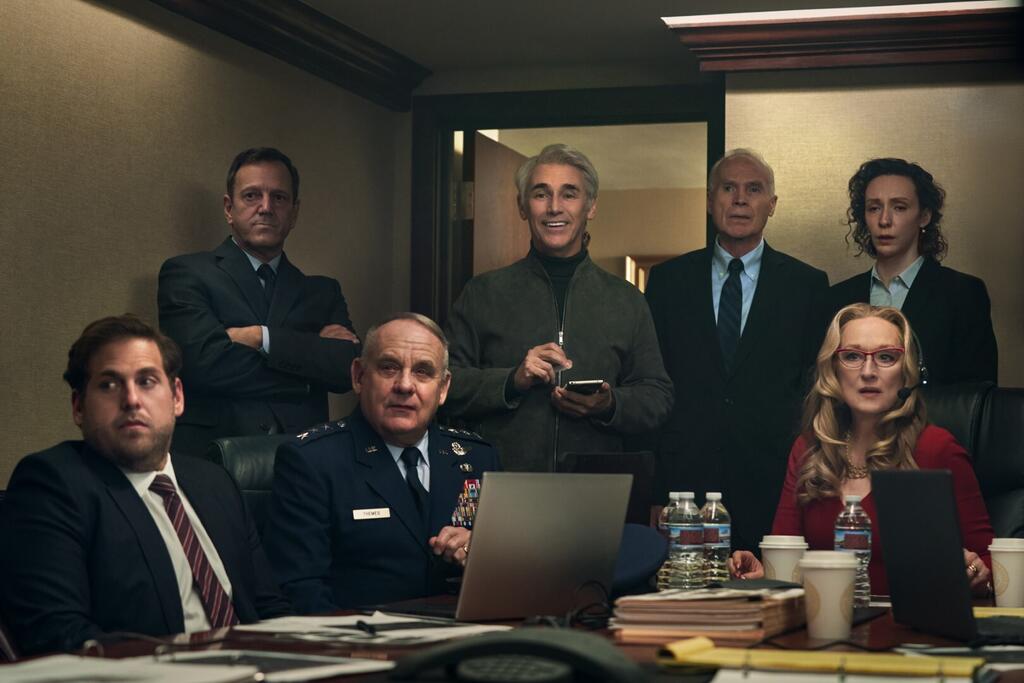
A villain in the Elon Musk mold? No problem! Center: Mark Rylance in "Don’t Look Up"
(Photo: Netflix)
Direct cinematic attempts to return to tech and the Valley have fared worse. “Steve Jobs” from 2015, again written by Sorkin, is an excellent film in this writer’s view, yet flopped critically and commercially. The official reason was fatigue. Audiences were tired of hearing about Jobs, especially after that even more embarrassing Ashton Kutcher vehicle. The real reason is different. In “The Social Network,” Sorkin and Fincher never hesitated to tear Zuckerberg to pieces. “Steve Jobs” strains to be dual and nuanced about its sainted, late hero, partly out of politeness. Sorkin’s Jobs, played by the excellent Michael Fassbender, is still a jerk who shivs friends twice a week, but he is truly inspiring and, most of all, a good father. That last part does not convince, which is why audiences did not buy it.
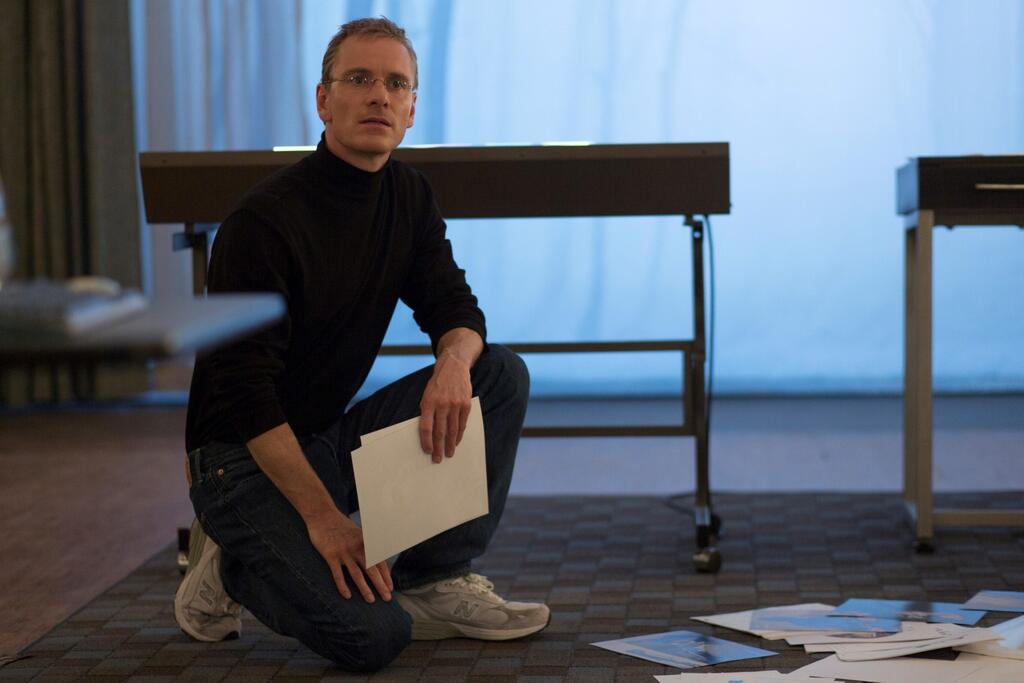
A jerk, but an inspiring one. Michael Fassbender in "Steve Jobs"
(Photo: Yes)
There was also the hokey thriller “The Circle,” with Tom Hanks having fun as a Jobs-Zuck figure who drones at product launches while workers die on their breaks, and the terrific indie “BlackBerry,” which did not catch fire and is now streaming on Netflix. Riveting viewers with stories set in tech corridors is a trick precious few can pull off. Yet the film’s impact spread anyway if you widen the frame to “businessperson movies” in general, which became central to American cinema in the 2010s, a clear outcome of the 2008 financial crisis and a national reckoning with capitalism’s kinks. Think “The Wolf of Wall Street,” “The Big Short,” “Margin Call,” and of course the immortal series “Succession,” with Suits along for the ride. These are about well-tailored dealmakers, nominally the bros, who spend long minutes betraying and shivving the people who were their best friends five minutes earlier. The genre supplanted the gangster film in a clear way. You no longer need a pistol and a plastic bag to whack an annoying partner. You have a smartphone and a sharky attorney on standby. “The Social Network” helped kick that off.
Only the villain remains
Zuckerberg, to his credit, behaved like a gentleman toward the film, or at least took advice from smart crisis handlers. During the 2010–11 awards season he did not launch a smear campaign, did not send proxies digging for Fincher’s skeletons, and said the bare minimum. He reportedly took Facebook’s headquarters staff to a screening in a spirit of if you cannot beat them, join them. The peak came shortly before the Oscars when Zuckerberg popped up on “Saturday Night Live” during Jesse Eisenberg’s monologue. The real Zuck and the movie Zuck got ovations, signaling to America that everyone was cool. When Sorkin accepted his Oscar for the screenplay, he tried to correct the impression and delivered a half-apology that finally praised Zuckerberg as a businessman.
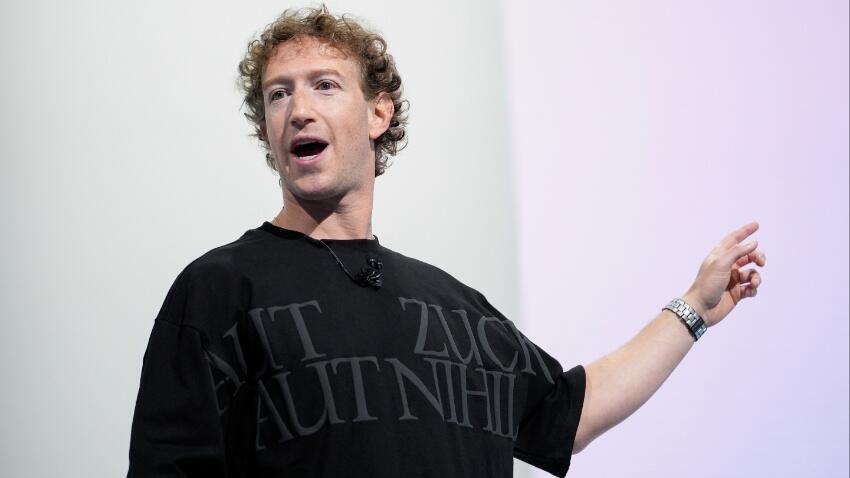
Only in 2014 did Zuckerberg admit the film had gotten to him. “It was very hurtful,” he said. “They just made up a bunch of stuff about me.” Except the gray T-shirts, he conceded, which they nailed.
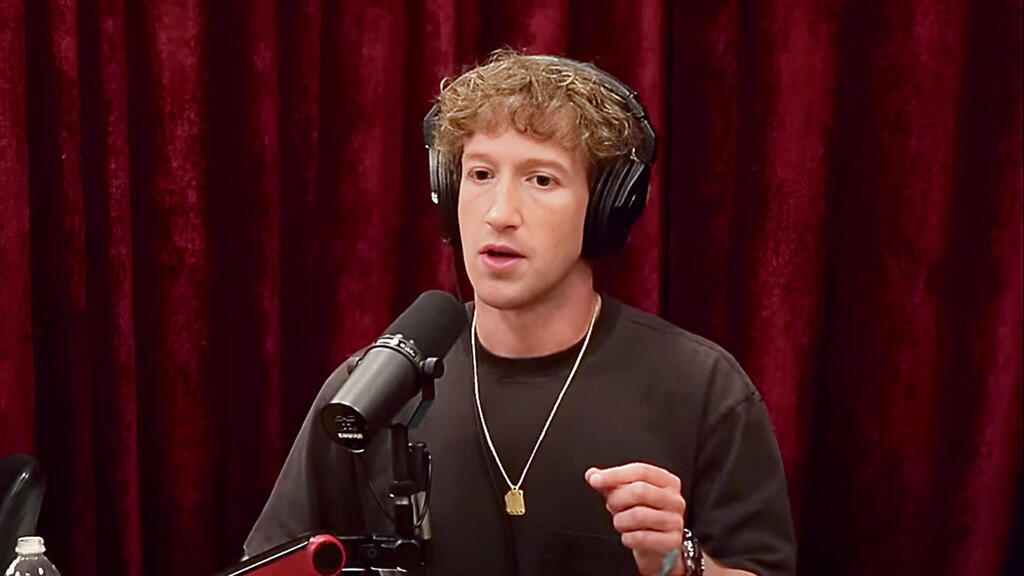
Don’t worry, you’ve got style to spare. Mark Zuckerberg
(Photo: Screengrab)
You can wonder how he will feel about the sequel now in development. Details leaked this month. “The Social Reckoning” is scheduled for October 2026. Sorkin is writing again and this time directing. A decade and a half later, the cast must change. Jeremy Strong, the master of the gangsters-in-suits genre after “Succession,” now plays Zuckerberg instead of Eisenberg, signaling a take that is far less interested in tagging Zuck as a sad nerd. The real protagonists are Mikey Madison, the Oscar winner for “Anora,” as a corporate whistleblower, and Jeremy Allen White of “The Bear” as a Wall Street Journal reporter who helps her expose Zuckerberg. The film will tackle head-on Facebook’s harmful impact on teenagers, the spread of fake news, and the general degradation of the world. Sorkin did not take his Oscar-night speech to heart. The title alone, “The Social Reckoning,” makes the direction clear.
Zuckerberg in “The Social Network” was already the villain, but he was also the hero of the movie and of the world. Now, at least in the movies, only the villain remains.