

A routine afternoon at a playground turned into a life-threatening emergency for a 14-month-old boy, leading to the discovery of a rare and dangerous brain tumor.
Elliott had just handed his son, AJ, a bottle of water when something suddenly changed. Within seconds, the toddler’s face froze and his body stopped responding. He was not breathing.
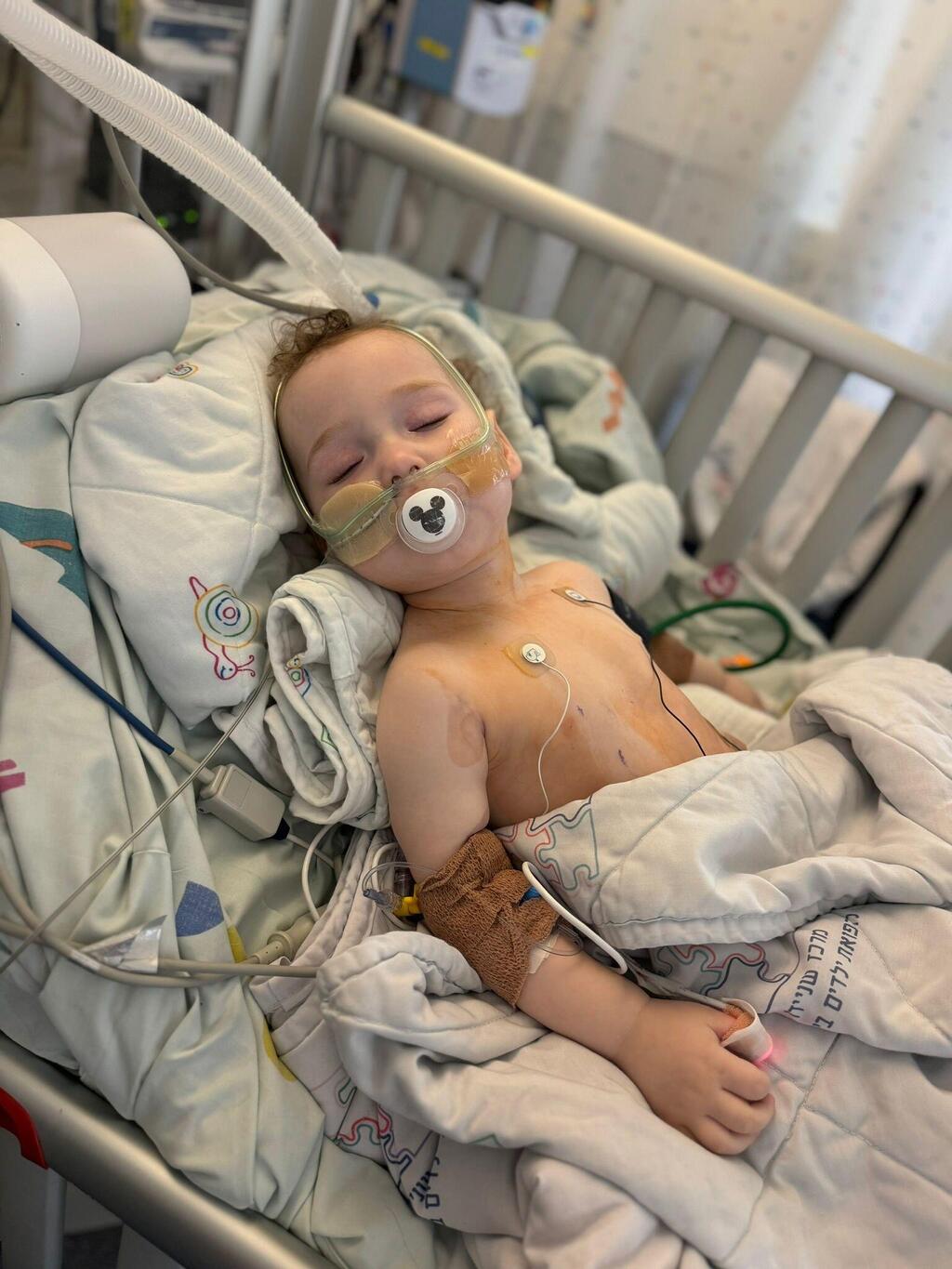
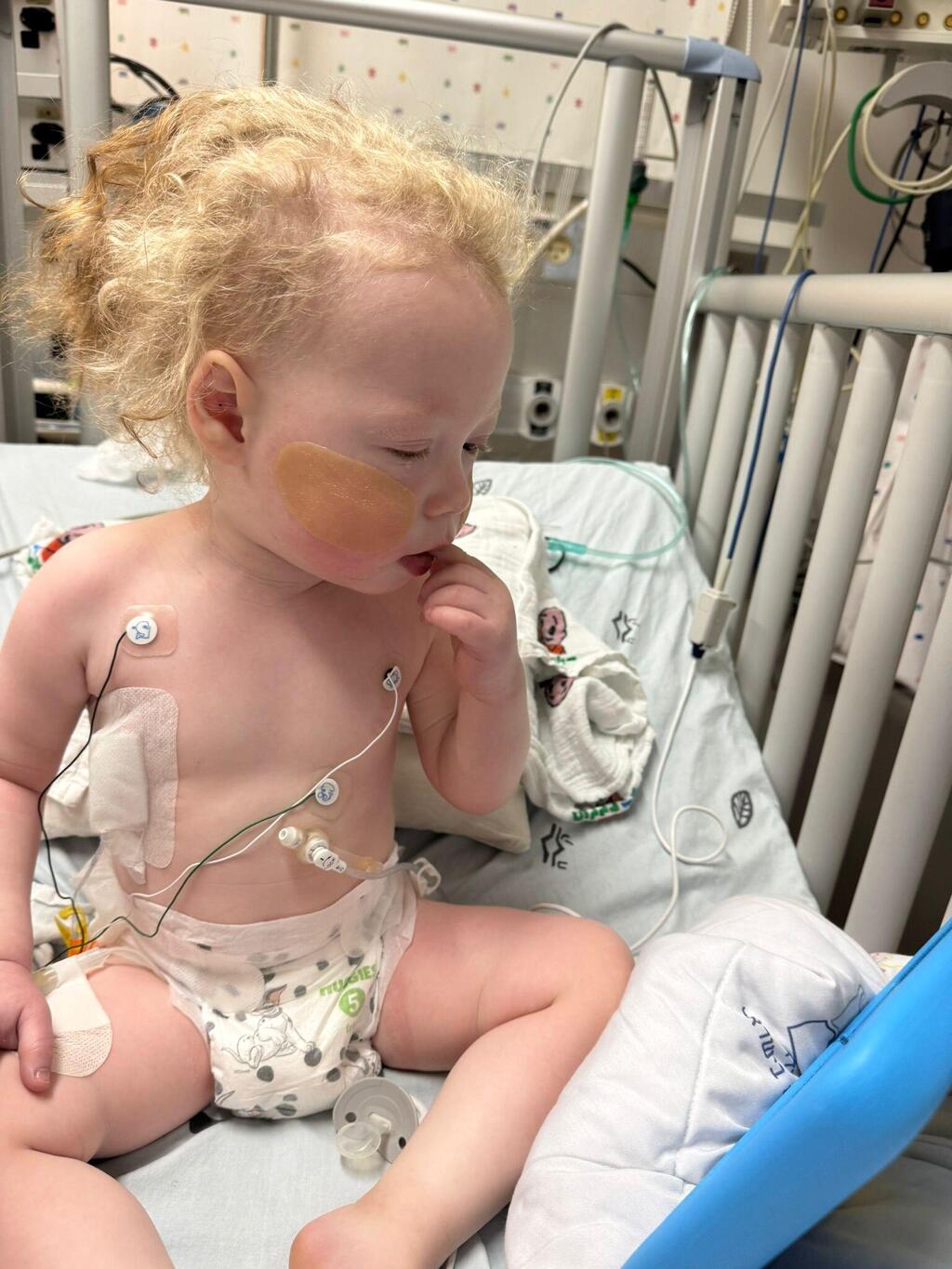
AJ sits up in his hospital bed during treatment
(Photo: Courtesy)
Elliott immediately began performing CPR, shouting for help as he fought to bring his son back. Moments later, AJ started breathing again and was rushed to the hospital.
At first, doctors believed it might be a temporary condition, something not uncommon among young children. But the following morning, an MRI scan revealed a devastating diagnosis: a large tumor located in the brainstem, one of the most sensitive and high-risk areas in the human body.
That same night, AJ suffered another respiratory arrest. There was no time to wait for further consultations. Doctors made an immediate decision to perform emergency open brain surgery in an attempt to save his life. The operation took place just as the Passover holiday began.
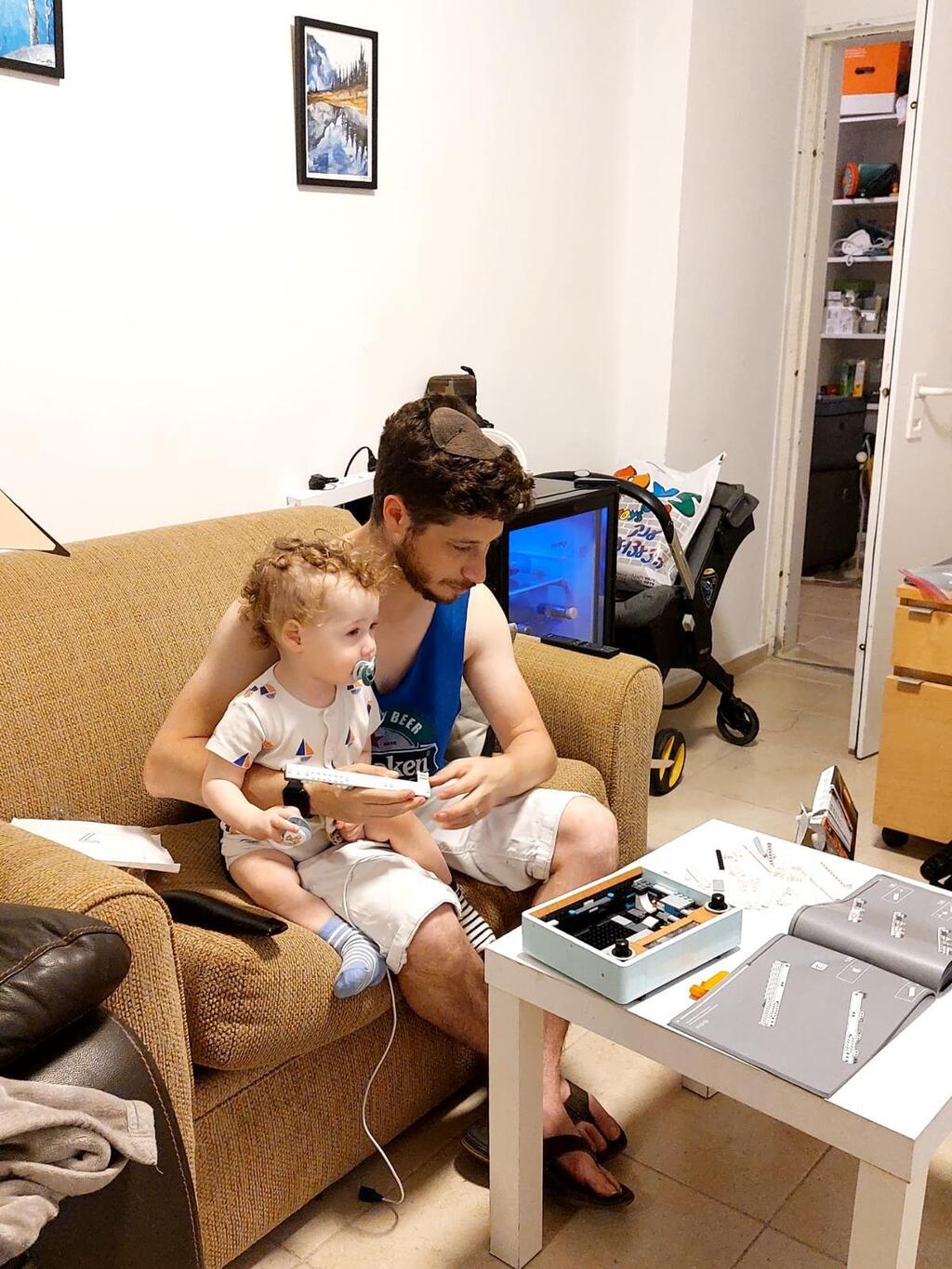
Elliott sits with AJ while assembling a LEGO set at home, where building sessions became a source of calm during the toddler’s treatment
(Photo: Courtesy)
The surgery marked only the beginning of a long and uncertain journey. AJ spent the next three months in intensive care, while doctors struggled to determine whether he would recover and what his long-term condition might be.
For Elliott, life as he knew it came to a complete stop. Before the incident, he served as a vice president of sales at a major tech company, managing teams, targets and high-pressure performance. Within days, none of that mattered. After exhausting his sick leave and vacation days, he made a decision that would redefine everything. He resigned.
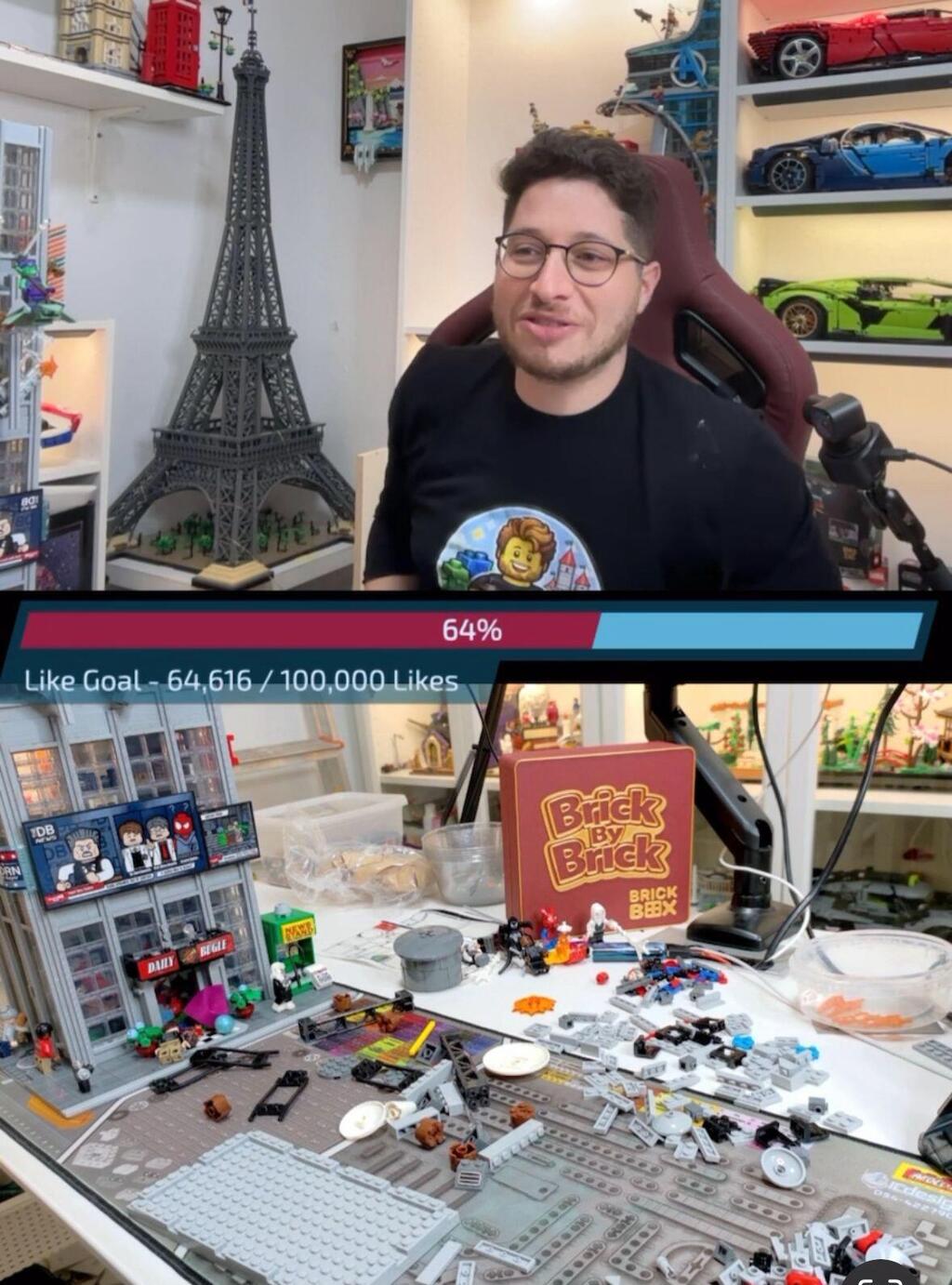
Elliott appears during a livestream from his home studio, where LEGO building became part of the family’s routine after AJ was diagnosed with a brain tumor
(Photo: Courtesy)
There was no longer a career, no routine, no backup plan. Only one focus remained: his son.
AJ’s daily reality became intense and demanding. His treatment included up to seven sessions per week, feeding through a tube, oxygen support during the night and extreme sensitivity to sunlight.
At the same time, life continued moving forward. A newborn baby, Rafi, joined the family while Elliott’s wife was recovering from a complicated childbirth.
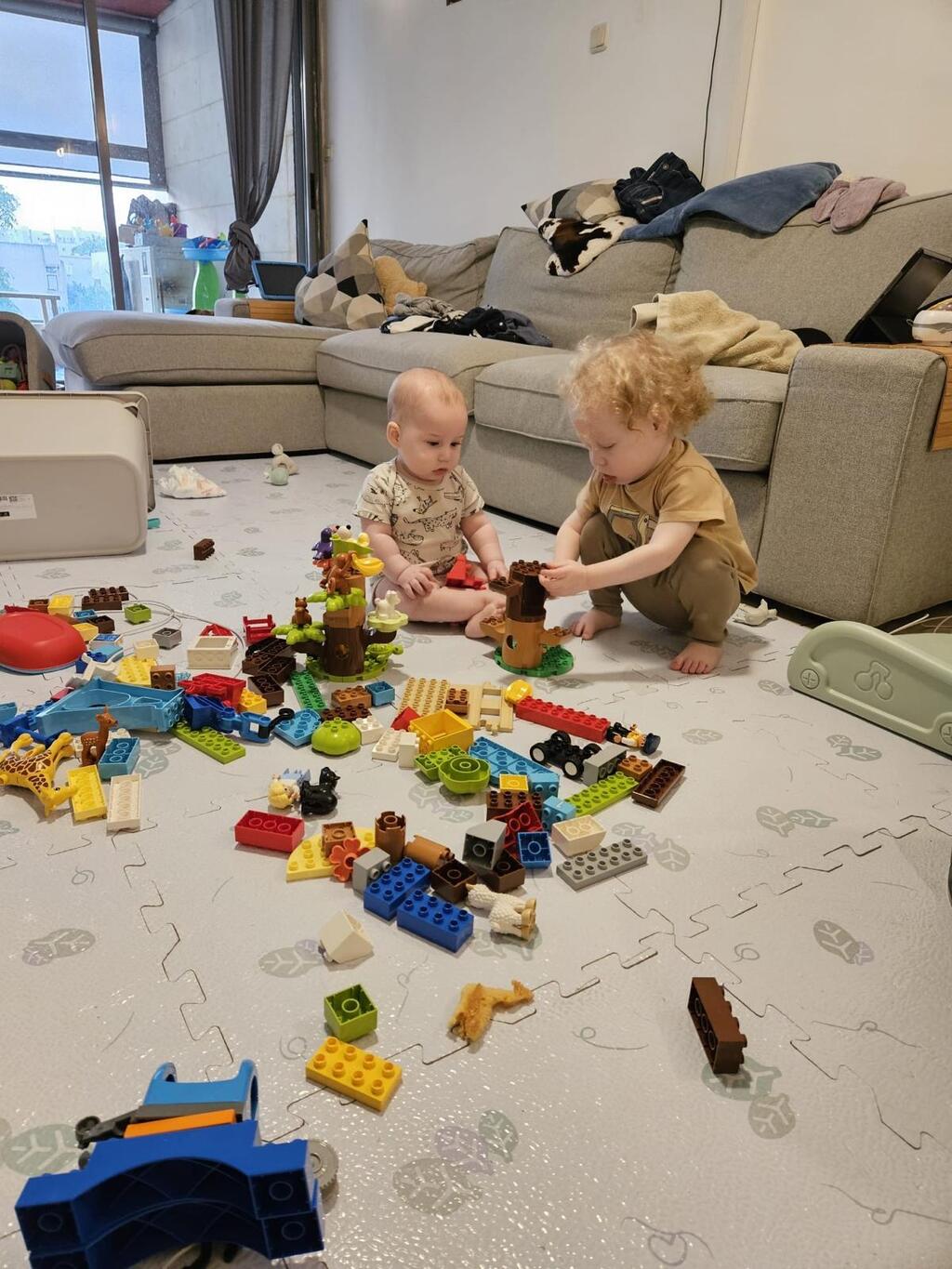
AJ, right, plays with his brother, Rafi, among scattered LEGO pieces at home as he continues treatment and rehabilitation after emergency brain surgery
(Photo: Courtesy)
Elliott found himself carrying multiple roles at once: caregiver, father and the central support system of the household.
Finding quiet in small pieces
In the middle of the chaos, something unexpected provided a moment of calm — Elliott began building LEGO.
What started as a simple way to pass time gradually became a daily anchor. “It was the only moment in the day where my mind was quiet,” he says. “Just me and small pieces coming together into something whole.”
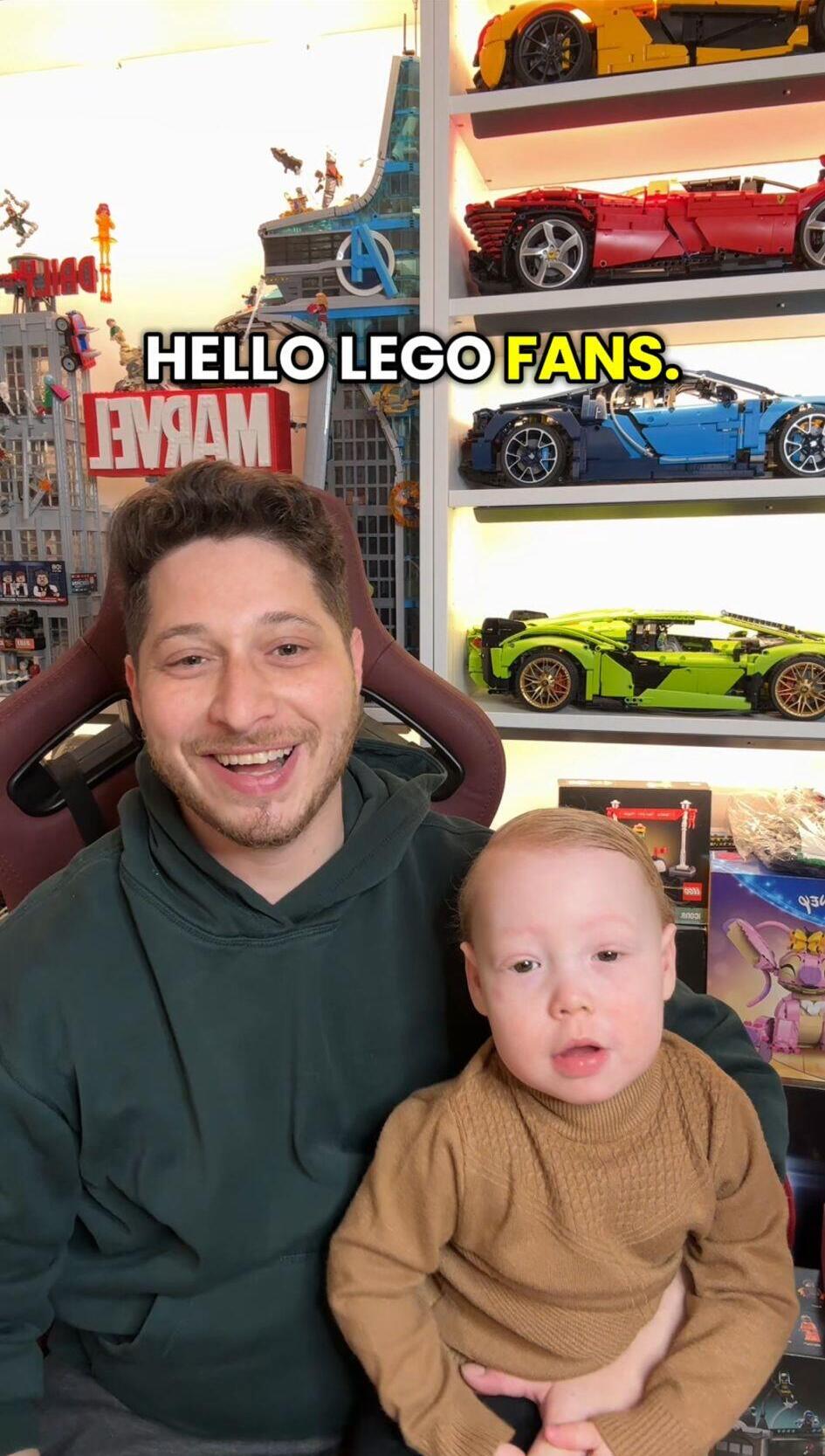
Elliott holds AJ in the family’s LEGO-filled studio in an image from one of his social media videos documenting their journey through the toddler’s illness
(Photo: Courtesy)
AJ did not actively build, but he was drawn to it. He watched his father, followed LEGO videos and connected to something simple and consistent in a reality filled with uncertainty.
Without a clear plan, Elliott opened a TikTok account to document the process. Initially intended for AJ, it quickly grew into something much larger.
Every evening at 8 p.m., he goes live—a camera, LEGO pieces and honest conversations.
Within months, the account attracted millions of viewers. In a single week, his videos reached over 3 million views, and in total, more than 8 million people have followed his journey.
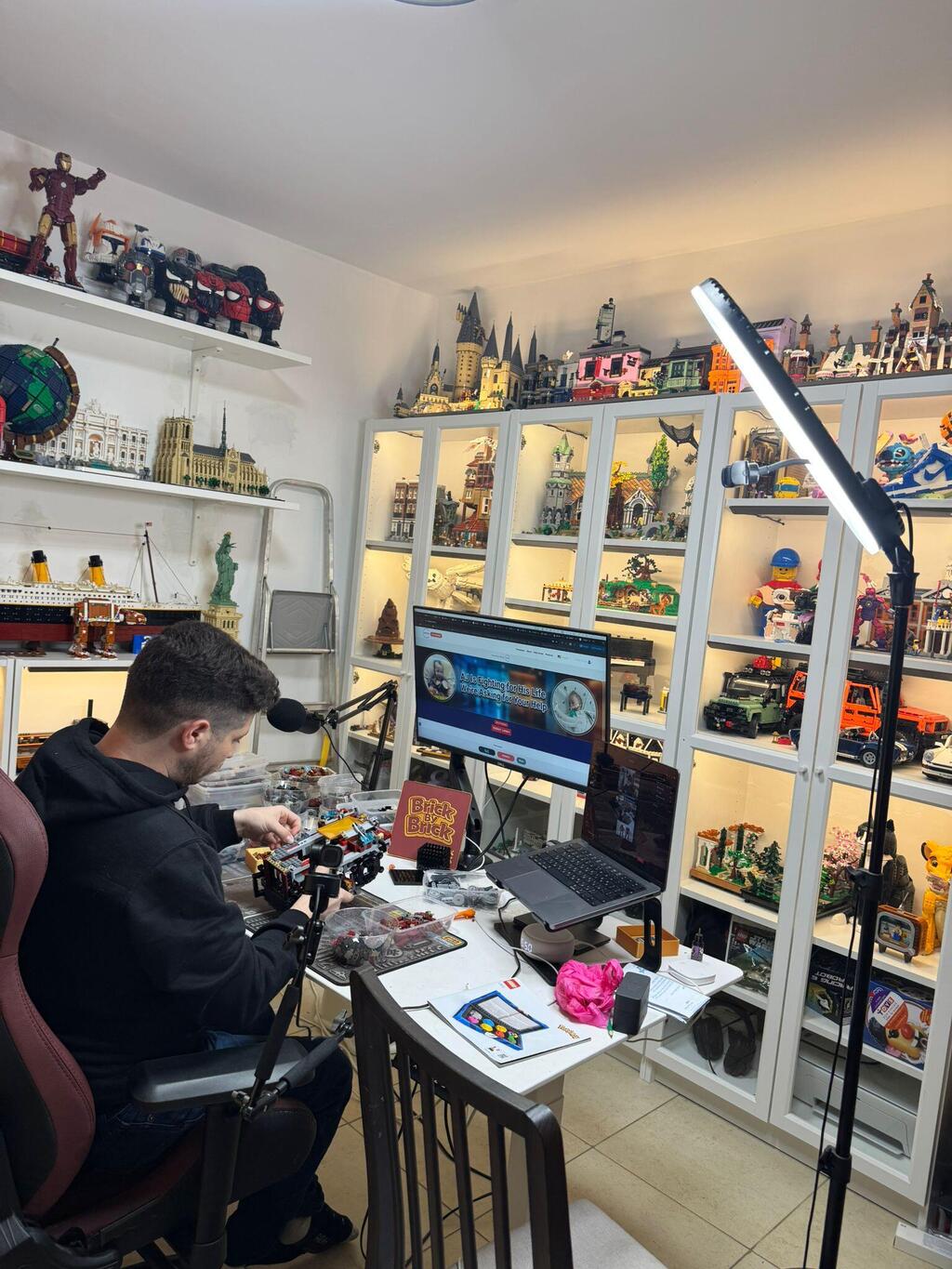
Elliott works on a LEGO build in his home studio, where he documents daily sessions online while caring for his son, AJ, during the toddler’s recovery
(Photo: Courtesy)
Alongside the growing online community, AJ began receiving experimental treatment. Over the course of six months, doctors observed a significant development: the tumor shrank by approximately 50 percent.
Within the medical team, a word rarely used in such cases began to surface — miracle.
Today, one year later, AJ continues to fight. His condition is gradually improving, but the journey is far from over. Ongoing treatments and rehabilitation remain complex and demanding.
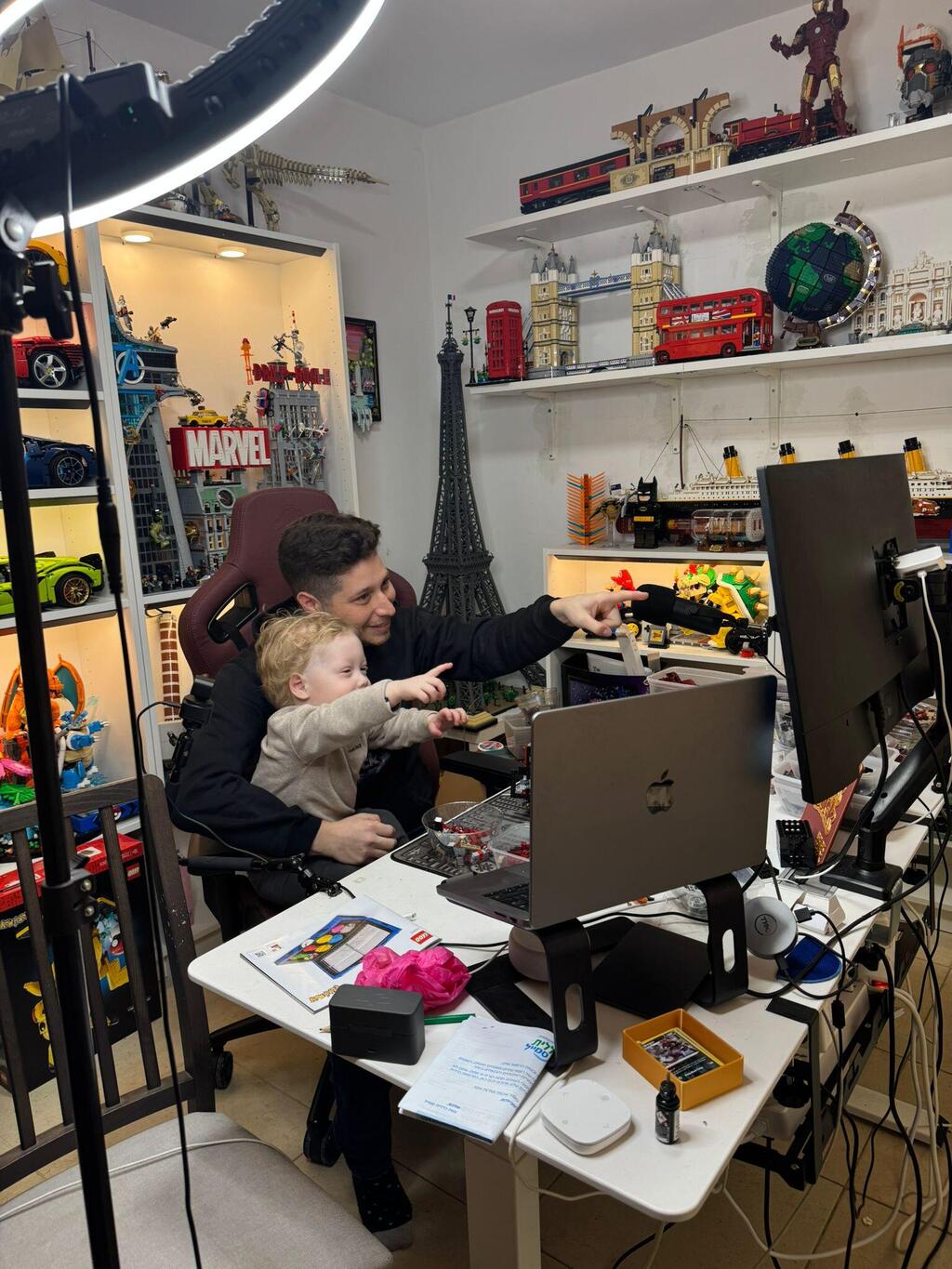
Elliott and his son, AJ, point toward a screen in Elliott’s LEGO studio, where he began livestreaming builds during AJ’s treatment for a rare brain tumor
(Photo: Courtesy)
Elliott still builds LEGO every day. But what once served as an escape has become something more. It is now part of how he stays strong for his son.
The family now faces not only a medical challenge, but also a significant financial burden due to the long-term treatment.