

Nearly three decades after Tupac Shakur was gunned down on a Las Vegas street, one of the most enduring mysteries in hip-hop history is finally reaching a courtroom.
Jury selection began Monday in Nevada in the murder trial of Duane “Keffe D” Davis, the 63-year-old former gang leader accused of helping orchestrate the 1996 killing of the rap icon.
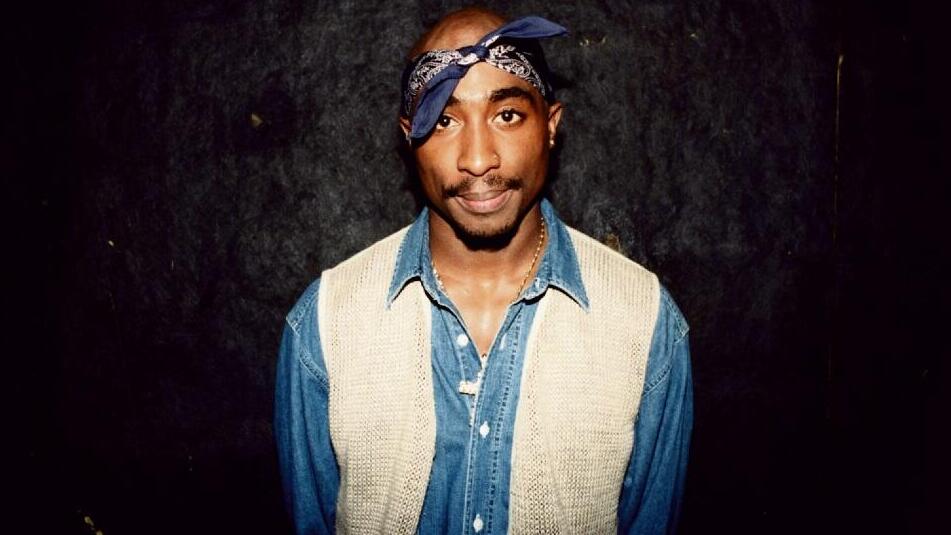
Davis, who was arrested in September 2023, has pleaded not guilty. He faces a charge of murder with a deadly weapon with the intent to promote, further or assist a criminal gang. The trial in Clark County District Court in Las Vegas is expected to last about a month.
Prosecutors are not accusing Davis of firing the shots that killed Shakur. Their case is that he helped plan the attack, obtained the weapon used in the shooting and passed it to others inside the car from which the shots were fired.
That distinction is central to the case against Davis, the only person ever arrested in connection with Shakur’s killing.
On Sept. 7, 1996, Shakur was riding in the passenger seat of a black BMW driven by Death Row Records co-founder Suge Knight. They were heading to Club 662, where Shakur was due to perform, when a white Cadillac pulled alongside them and someone inside opened fire.
Shakur was struck several times. Knight survived. Shakur died from his wounds six days later at age 25.
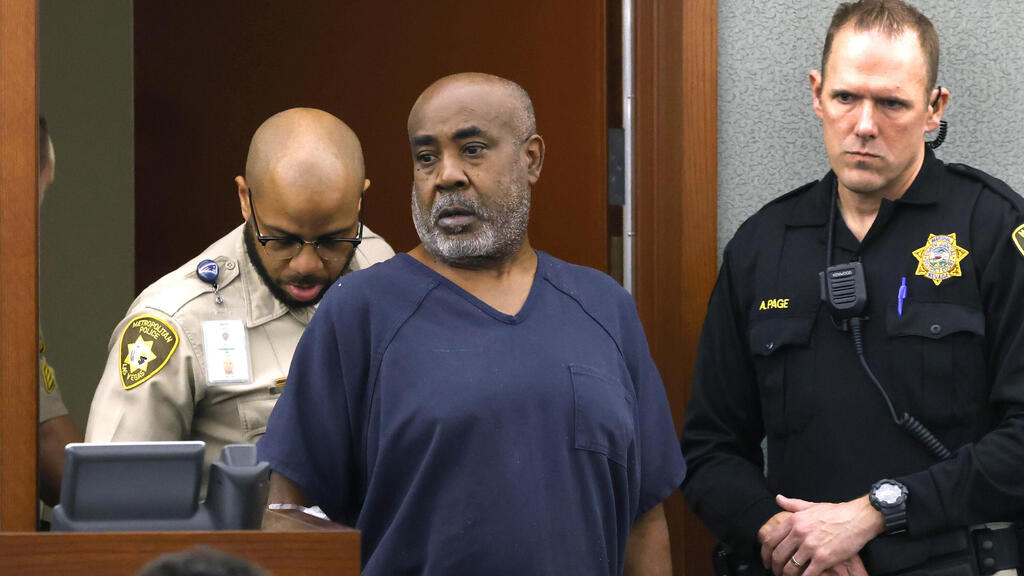
Duane ‘Keffe D’ Davis
(Photo: AP)
For years, the killing remained unsolved and generated countless theories, documentaries and speculation about the violent East Coast-West Coast rivalry that defined part of the hip-hop world in the 1990s.
The investigation eventually turned back toward Davis, a self-described former leader of the South Side Compton Crips who had spoken publicly about his involvement in the events surrounding the shooting.
In his 2019 memoir, Compton Street Legend, Davis wrote that he provided the gun used in the attack. Prosecutors have treated those statements as a significant part of their case.
Davis has since distanced himself from the book, arguing that statements in it were exaggerated or false and intended to generate attention and sales.
His attorneys have challenged the prosecution’s reliance on those accounts.
“We’re putting way too much credence and value and weight on statements that are made for entertainment purposes only,” Davis’ legal team said last month, according to The New York Times. “Not a confession to a priest, not a confession to a police officer, but rather to promote a book, to sell a product.”
Who pulled the trigger?
For years, Orlando “Baby Lane” Anderson, Davis’ nephew, was widely suspected of being the gunman. Anderson was never charged in Shakur’s killing and died in a gang-related shootout in Compton in 1998.
The other two men believed to have been in the Cadillac that night, DeAndre “Freaky” Smith and Terrence “Bubble Up” Brown, are also dead.
But testimony expected in the case could complicate the long-established narrative about who actually fired at Shakur.
Devonta Lee, who had ties to the Crips, previously told a grand jury that Anderson was not positioned to shoot Shakur and alleged that Smith instead took the gun and opened fire. According to that account, Davis directed the operation and passed the weapon to Anderson, who then handed it to Smith.
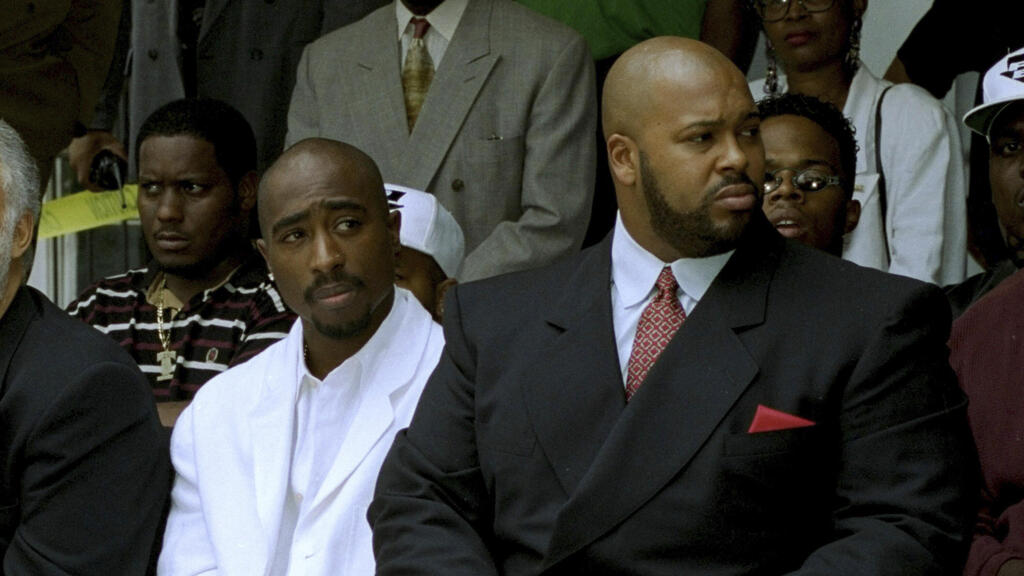
Tupac with Suge Knight, 1996
(צילום: AP)
That version is expected to become part of the larger battle over what happened inside the Cadillac and how much responsibility prosecutors can place on Davis even if he did not pull the trigger.
Dozens of witnesses
Prosecutors are expected to call between 35 and 45 witnesses, though not everyone named on preliminary lists will necessarily testify.
The potential witnesses include members of Shakur’s family, former police officers, gang experts, people connected to Death Row Records and individuals who were with the rapper on the night of the shooting.
One key witness is expected to be Leonard Jefferson, a California resident who happened to be near Shakur’s car shortly before the shooting and photographed it. The image is considered the last known photograph of Shakur before his death.
Reggie Wright, who grew up in Compton and later worked in security for Death Row Records, is also expected to testify.
But two much bigger names hover over the case: Suge Knight and Sean “Diddy” Combs.
Will Suge Knight testify?
Knight was sitting beside Shakur when the shooting occurred and is believed to be the only surviving person who was inside either of the two vehicles directly involved in the confrontation.
He is currently serving a lengthy prison sentence in California over an unrelated fatal hit-and-run case.
Knight has repeatedly said he does not intend to cooperate with authorities in Davis’ prosecution.
“This trial has nothing to do with me and if somebody brings me there, it’s gonna hurt whoever brings me there,” Knight recently told ABC News.
Still, the possibility of Knight appearing has continued to hang over the trial.
Davis’ attorney, Michael Sennett, has suggested that if Knight does testify, his account could ultimately help the defense.
Why Diddy’s name could surface
Sean “Diddy” Combs is not accused in Shakur’s killing and has repeatedly denied any involvement.
But his name has been connected to the case for years because of the broader rivalry between Bad Boy Records and Death Row Records and because of claims made by Davis himself.
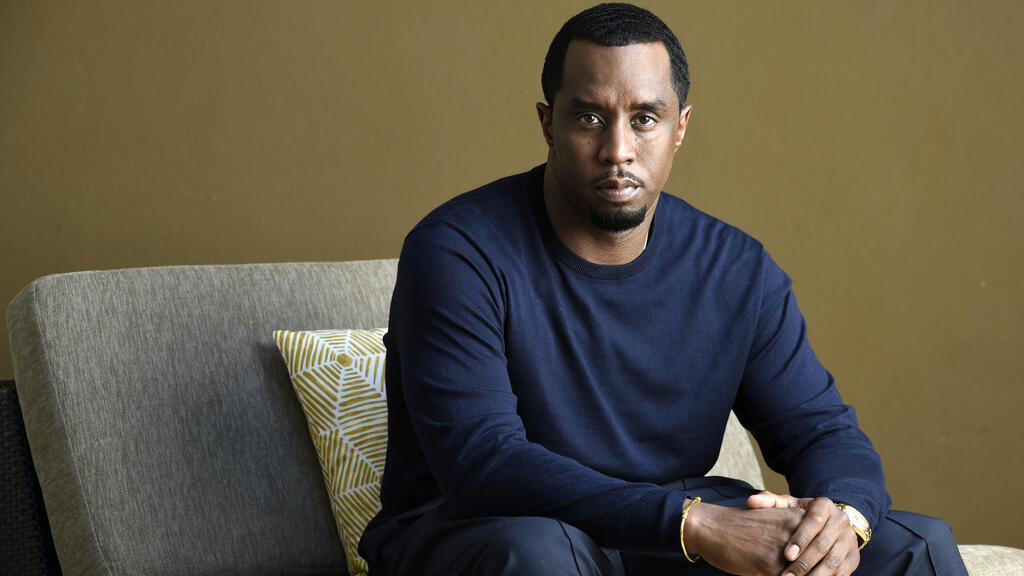
Sean 'Diddy' Combs
(Photo: Chris Pizzello/Invision/AP)
Death Row, where Shakur was signed, had ties to members of the Bloods, while Bad Boy’s orbit was alleged to have links to members of the Crips.
In his memoir, Davis claimed Combs wanted Knight and Shakur dead and had offered money for their killings. Combs has consistently denied those allegations.
Combs, who is serving a 50-month prison sentence on prostitution-related charges, is not listed as a witness and there has been no indication that he will appear in court.
Nevertheless, prosecutors and witnesses may revisit Davis’ claims about him as they reconstruct the gang and music-industry rivalries surrounding the killing.
A case built partly on Davis’ own words
Davis had long been regarded as a person of interest, but the investigation accelerated after he began speaking more openly about what happened.
Las Vegas police searched a property connected to him in July 2023, and he was arrested two months later.
Prosecutors argue that his public statements, interviews and memoir amount to important evidence showing that he was directly involved in organizing the attack.
The defense is expected to argue that those statements were made for publicity, money and entertainment rather than as reliable confessions.
That dispute could become one of the central questions for jurors: whether Davis’ own stories about Tupac’s murder are evidence of guilt or decades of self-promotion surrounding one of the most famous killings in music history.
Outside the courthouse, Shakur’s relatives and supporters gathered as proceedings began.
His cousin Kendrick Lesane said he hoped the trial would finally bring accountability.
“Whoever was connected to this, whoever planned this and whoever had a part in this needs to be in prison,” he said, according to AP.
Jury selection is expected to take several days before opening statements begin. If convicted, Davis faces life in prison.