

From the moment it decided to transform itself from a neighborhood sandwich stand into a fine-dining restaurant, the words “Every second counts” have hung on the wall of “The Bear.” The phrase is also uttered, more than once, in every episode that depicts service. It would have been easy, then, to imagine that the constant preoccupation with the importance of seconds was part of the show’s DNA.
In practice, few series have been as extravagantly generous with other people’s time as “The Bear,” and that is one reason for its decline in stature since around the third season, to the point that the fifth and final season, which premiered today on Disney+, arrives not with an increased appetite but with the oppressive feeling of being overfed.
But since “every second counts,” it is best to get straight to the bottom line: Almost all seven episodes sent for review — the season has eight in total — make little effort to sweeten the problematic aftertaste “The Bear” leaves behind in its award-laden life. Despite scaling back the pretentious montages and the glut of showy guest appearances, the series does not bother to reinvent itself for its final meal, refresh the fairly repetitive formula that drives it — problems, shouting, improvised solutions, more problems, more shouting, more solutions and so on — or engage with ideas more original than those it has already exhausted over the previous four seasons.
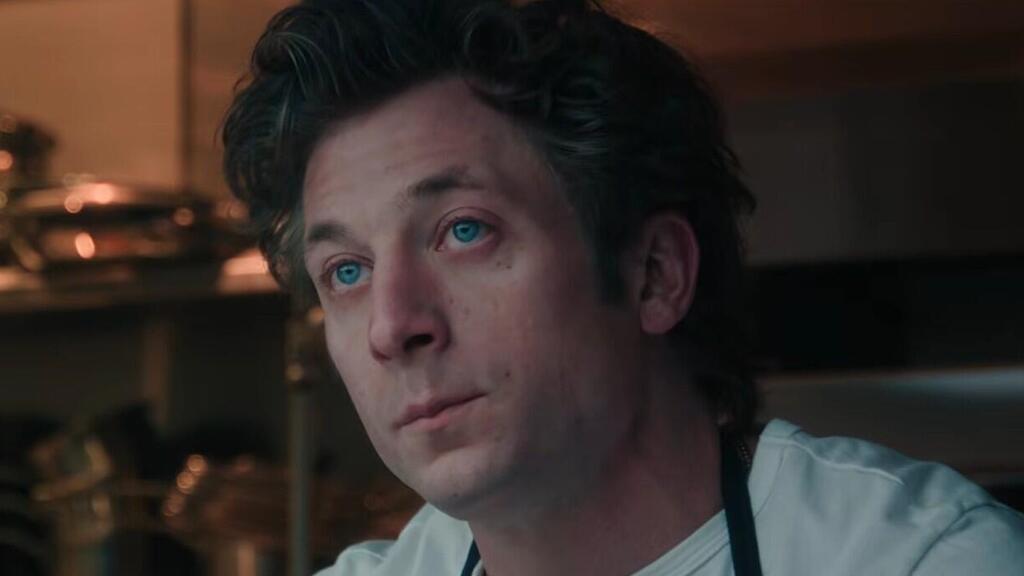
The exceptions are the sixth episode and especially the seventh, which is also longer than its predecessors. There, at long last, the decisive service the team has been preparing for over the previous five episodes finally begins. Only then does the oven start to burn, the new power dynamic between chef Carmy (Jeremy Allen White) and chef Sydney (Ayo Edebiri) is put to the test rather than merely discussed to death, star maître d’ Richie (Ebon Moss-Bachrach) faces both anxiety and impulsiveness, and the question of whether the building will crumble on top of the Michelin Guide representative who comes to visit injects a tension and alertness that had been badly missing earlier. And once things begin to move, it is possible to enjoy the show’s celebrated talent for staging beautiful scenes of intimacy, humor and growth. For instance, it is doubtful you ever imagined you could be moved, even choked up, by caramel sauce being drizzled over a dessert.
In fact, unless you truly need more of the same heart-to-hearts between the characters about their poor communication — which instantly turns into articulate insight worthy of Zen sages — or more of the unhinged dynamic among the junior waitstaff, and of course plenty of variations on “fuck” at the volume of a concert in Yarkon Park, you will not miss much by settling for the first episode as exposition and the sixth and seventh for the action. Everything in between is a bit like filling up on bread: nice at first, then not entirely unsatisfying, until at some point the question arises of whether this is really why we came all this way.
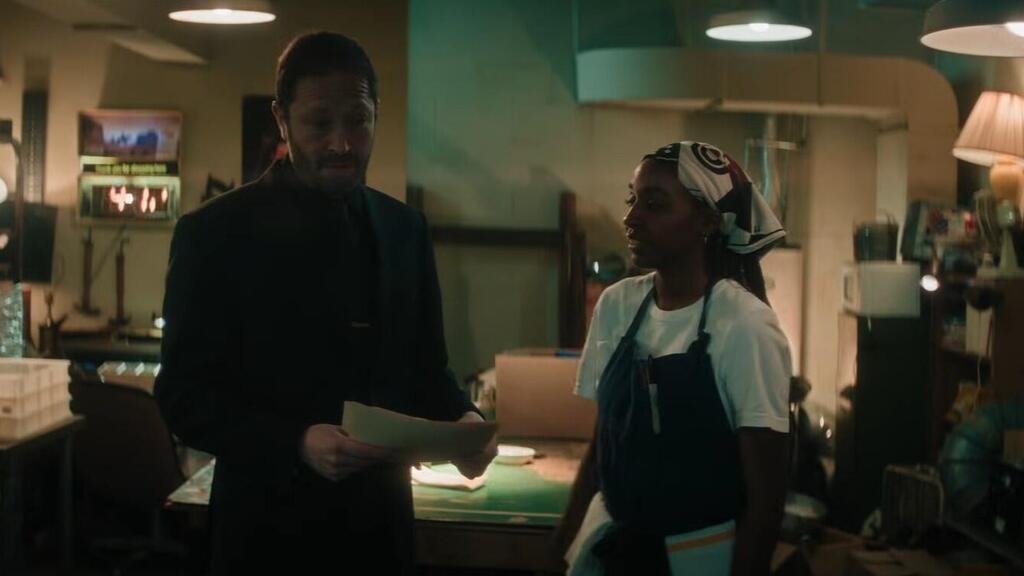
From 'The Bear'
(Screenshot, YouTube)
Now that the joint is closing and everyone has paid the bill, it is also possible to look back and identify the great missed opportunity of “The Bear”: not only the gap, symbolic enough in the context of restaurants, between the facade and the substance, but the distance between characters who inspired empathy and identification and a plot that drowned them in thin sauce. Sydney, Richie, Nat (the excellent Abby Elliott), Marcus (Lionel Boyce), Tina (Liza Colón-Zayas) — all of them quickly became people it would have been very nice to know a little better. Some of them — ahem, Richie — could even lead a spinoff of their own, provided that this time it is understood that they are the story and that no close-ups of pea cream and shrimp are needed.
“This building is not the foundation,” Sydney tells Marcus, as part of the endless motivational workshop the characters take turns conducting for one another so they do not collapse under pressure. Had “The Bear” conducted itself as though that were the correct order of priorities, it would not have had even a single wasted second.