

Christopher Nolan is no longer Hollywood’s next great consensus filmmaker. He is the current one. In a career spanning just over 25 years, Nolan has not merely joined the front rank of major directors. He has climbed to the very top. He may be the only filmmaker working today whose movies are expected not only to become cultural events, as is also true of Quentin Tarantino, Paul Thomas Anderson and Martin Scorsese, but also to rank among the year’s biggest box-office hits and reshape entire genres.
Critics and filmmakers praise him, and actors seem desperate to work with him. Matt Damon famously interrupted a self-imposed break from acting after Nolan called, because he and his wife had agreed that Nolan was the one director for whom the rules could be broken. It was the Hollywood equivalent of the one celebrity spouse you are hypothetically allowed to cheat with.
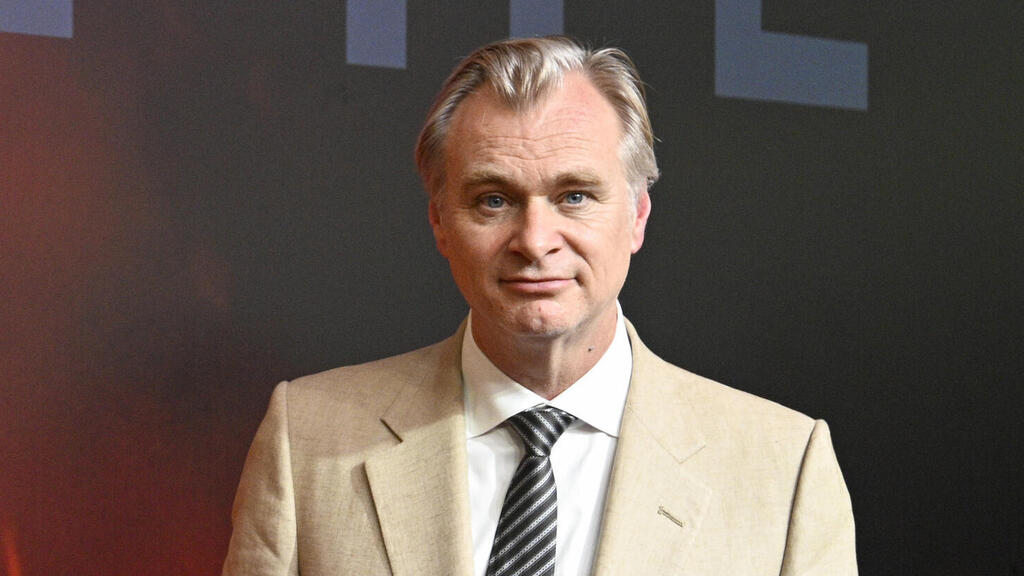
Unlike Steven Spielberg, who was often accused of being too commercial or childlike, Nolan, sometimes described as Spielberg’s heir, has rarely been seen as someone who compromises to please studios or audiences. He entered the Hollywood machine, defeated it and rebuilt it in his own image.
That is the central Nolan paradox. He is a committed elitist, though not necessarily a snob, who loves complex cinema, spatial and temporal puzzles, dense science-fiction explanations and plots that can be difficult to follow. Yet he repeatedly transforms those ingredients into mainstream entertainment.
He also tends to create male characters in his own image: cold, brilliant, immaculately groomed men who are consumed by a goal and, almost invariably, treat women terribly. It is striking how many of his female characters die by suicide. In real life, his wife, Emma Thomas, has produced all of his films, so we will choose to believe their own relationship is more harmonious. And here is the twist: audiences cannot stop identifying with Nolan’s distinctly unlovable heroes.
Viewers devour his elaborate plots and leave the theater nodding solemnly about what an intellectually enriching experience they have just had, as though we do not live in the age of Donald Trump and TikTok. Let us think, they seem to say.
Nolan has not made a truly bad movie. That does not mean all his films are equally successful, and several are frustrating, overcomplicated or simply misjudged. With “The Odyssey” now in theaters, here is our definitive ranking of every Christopher Nolan film.
13. ‘The Dark Knight Rises’ (2012)
Nolan generally does whatever he wants, but there is one major exception: “The Dark Knight Rises” is the only film he appears to have made without much enthusiasm.
He was obligated to complete the third installment of his Batman trilogy and knew there was little chance of surpassing “The Dark Knight” or Heath Ledger’s performance as the Joker. One of the film’s first poor decisions, made out of respect for Ledger, was to avoid mentioning the Joker entirely, leaving the story strangely detached from its predecessor.
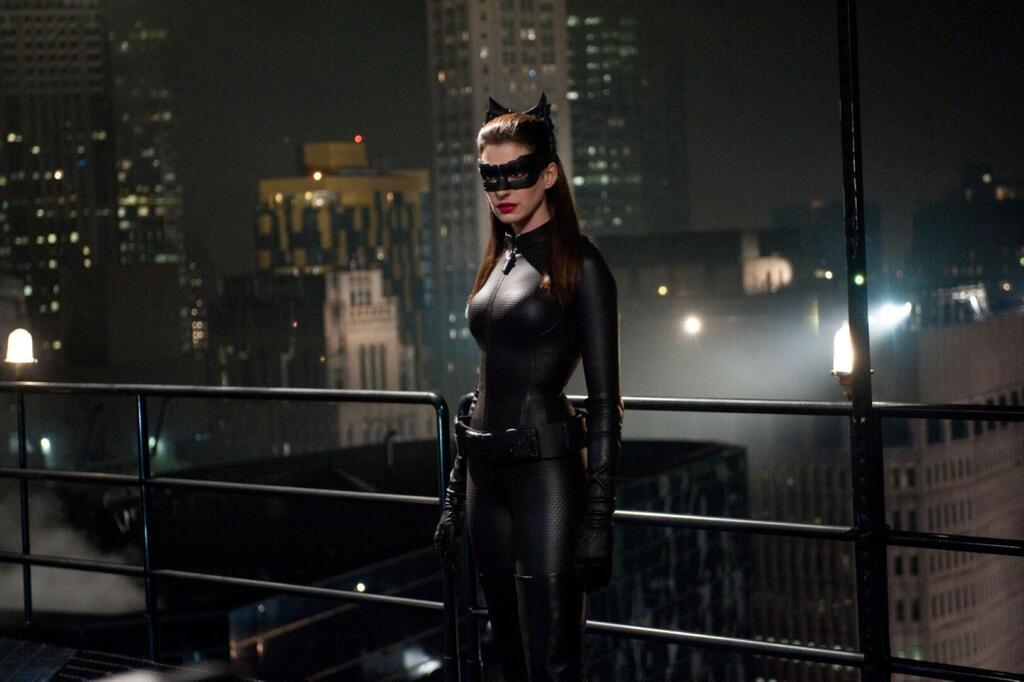
You can tell Sir Nolan did not really want to make this one. From 'The Dark Knight Rises'
If Nolan’s mentor Alfred Hitchcock was right that a film is only as good as its villain, “The Dark Knight Rises” fails badly. There is Bane, played by Tom Hardy, mumbling through a mask without becoming sufficiently threatening; an underdeveloped Catwoman, played by Anne Hathaway; the Scarecrow, with Cillian Murphy wasted in a single scene; and a final villain, played by Marion Cotillard, revealed through an unconvincing late twist. It is the least persuasive plot in the trilogy and ends with a cowardly Hollywood escape hatch.
As always, Nolan is reaching for something larger, particularly themes of social collapse in an America that had lost faith in Wall Street and Washington. But those ideas sit beside some astonishingly silly material, including a spherical nuclear bomb with a cartoonish countdown timer and an economic collapse triggered by physically robbing the stock exchange. Does Nolan know how shares work? Still, the late Alon Abutbul and Uri Gavriel each received a good scene. At least there is that.
12. ‘Following’ (1998)
There is a certain charm to an immature debut, or in this case, something close to a student film. Nolan, who was rejected from film school, directed “Following” in black and white on 16mm film, shooting on the streets of London without professional lighting in order to keep costs almost impossibly low.
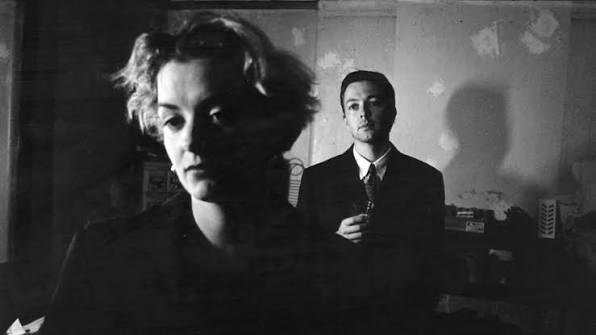
From 'Following'
The plot emerged during a period when every young filmmaker wanted to imitate Tarantino, though it feels somewhat closer to David Fincher with a twist. An unnamed writer, played by Jeremy Theobald, begins following a burglar for inspiration and gradually starts to resemble him.
It is a sly film with a clever but not fully developed script. The limitations of the production and performances are obvious, but so is Nolan’s talent. Hollywood did not immediately notice him. Independent producers who later read his screenplay for “Memento” certainly did. It is worth discovering for yourself.
11. ‘Tenet’ (2020)
In many ways, “Tenet” is Nolan’s most ambitious attempt to manipulate space and time. People in the future send objects backward and warn humanity about an approaching conflict, while the film’s protagonist, a secret agent played by John David Washington, must move both forward and backward through time in order to do… something.
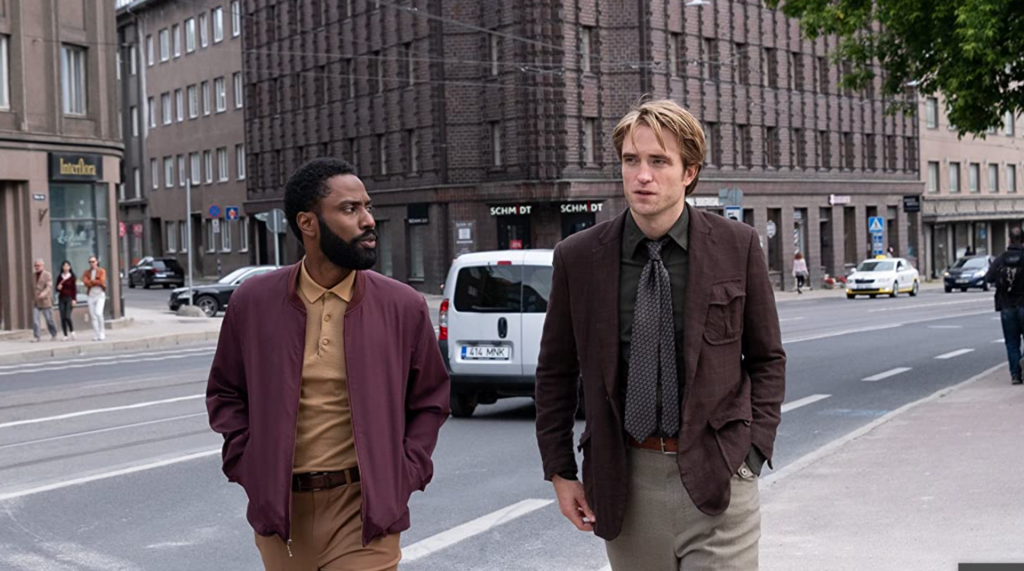
From 'Tenet'
Literally, “Tenet” is a headache. Nolan became so fascinated by his temporal experiment that he neglected to build a coherent story or a clear science-fiction framework capable of supporting it. That balance worked in “Inception,” but not here. The film also suffered from disastrous timing. It was released at the height of the COVID-19 pandemic and paid a heavy price at the box office.
For Nolan’s hipster admirers, however, this is often the masterpiece they defend by insisting everyone else simply failed to understand it. We are not hipsters.
10. ‘Batman Begins’ (2005)
Welcome to Nolan as a genuinely great Hollywood director. From this point onward, every film on the list ranges from very good to extraordinary. “Batman Begins” is where Nolan truly began his ascent toward becoming Hollywood’s emperor. The studio deserves credit. It gambled on an independent filmmaker, handed him one of its most iconic characters and allowed him to pursue his own vision.
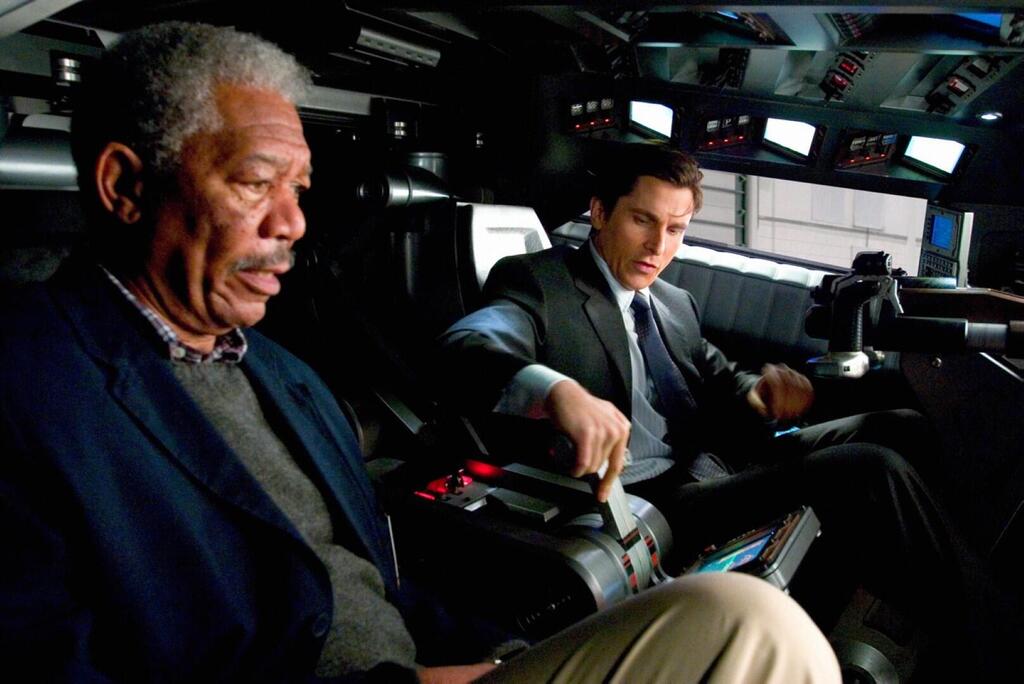
The beginning of Nolan’s rise to become Hollywood’s emperor. From 'Batman Begins'
Nolan responded by tearing up the genre’s rulebook. This was a Batman film largely set during daylight, grounded in realism and presented with the seriousness of a Greek tragedy mixed with a gangster film. The same approach failed when applied elsewhere to Superman and the Hulk, but it worked here.
The cast helped enormously: Christian Bale became a star despite his deathly serious delivery of “I’m Batman”; Michael Caine became the ideal Alfred; Gary Oldman played Gordon; Morgan Freeman, Liam Neeson and Cillian Murphy rounded out the ensemble. It also marked the beginning of Nolan’s long collaboration with Murphy.
Katie Holmes remains outside the circle of praise. She was reportedly imposed on Nolan and was replaced without sentiment in the sequel.
Even at the time, and certainly in retrospect, not everything in “Batman Begins” worked. Like most comic-book films, it contains enormous plot holes. But Nolan’s Hollywood journey began with a thunderous declaration.
9. ‘Inception’ (2010)
“Batman Begins” and “The Dark Knight” demonstrated what Nolan could do with enormous budgets and a built-in comic-book audience. “Inception” showed he could do it without the protection of a known franchise.
After the success of “The Dark Knight,” Nolan recruited Leonardo DiCaprio for a science-fiction heist movie set inside the human mind, built around the possibility of planting an idea in another person’s consciousness.
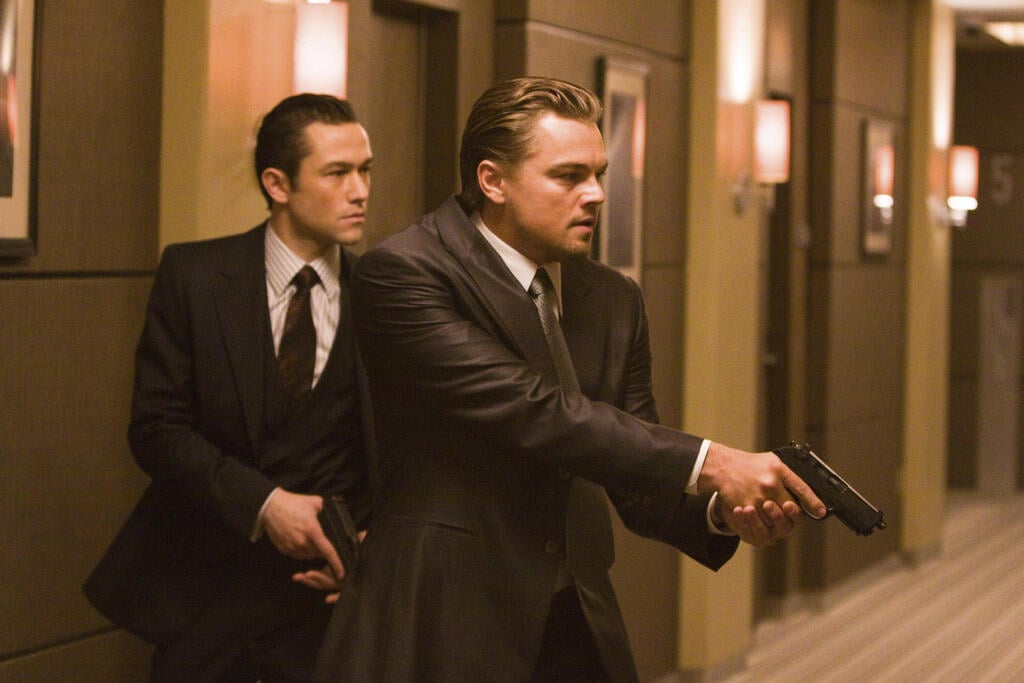
From 'Inception'
(Photo: Courtesy of Yes)
The film unfolds across dreams and subconscious landscapes arranged like an endless maze, mixing childhood trauma with extraordinary imagery. Its visual set pieces drew clear inspiration from M.C. Escher and silent surrealist cinema, most famously in the sequence where Paris folds in on itself.
Nolan then combined those ideas with one of his favorite emotional engines: a man consumed by guilt over his wife’s death. Seriously, Chris, what is going on?
The emotional story absorbs the film’s colder, more mechanical elements and turns them into something propulsive. Then comes the ending, with the spinning top, leaving an entire theater suspended in uncertainty. From that point forward, there was no doubt: Nolan was a master filmmaker.
8. ‘Insomnia’ (2002)
“Insomnia” has an unfairly weak reputation. This may be the first controversial ranking on the list, because most similar surveys place it at or near the bottom. It is the only Nolan film he did not write, the only one for which he was hired by a studio as a conventional director, and the only one that remakes a respected Scandinavian film.
The story follows a police detective investigating the murder of a teenage girl in the far north, Norway in the original and Alaska here, where the sun never sets. In other words, it is Nolan’s only “normal” film, and one he has effectively vowed not to repeat.
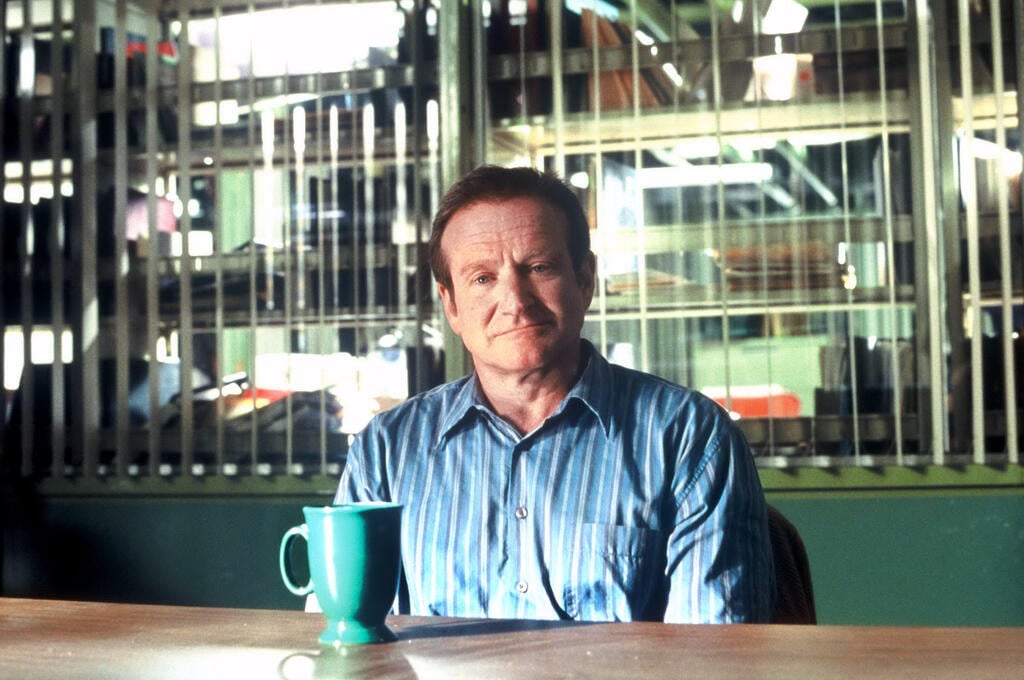
A controversial ranking. From 'Insomnia'
(Photo: Courtesy of Yes)
Yet even as a director for hire on a crime thriller, Nolan is far too accomplished to dismiss the movie as a paycheck assignment. Through his direction of actors and scenes, he transforms it into an intensely convincing story about obsession and guilt. Robin Williams is extraordinary as a quiet villain. Al Pacino is operating at the height of his craft. Hilary Swank balances them as a young police officer.
This may be the only time Nolan allowed a female character to represent his own point of view, which alone makes the film unusual and fascinating.
7. ‘Dunkirk’ (2017)
The premise did not sound especially promising: Nolan, the director most comfortable in science fiction, was making his first historical film about World War II. In other words, he wanted an Oscar, like Spielberg with “Schindler’s List.” But “Dunkirk” is as radical as Nolan’s most experimental films. There is nothing conventional about it.
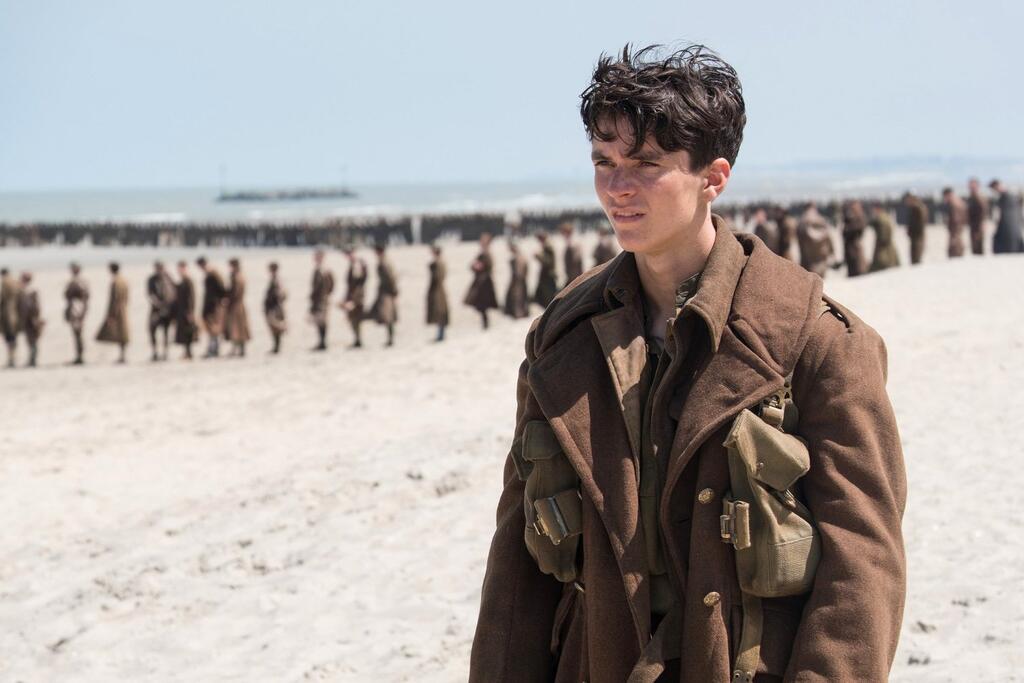
From 'Dunkirk'
The movie depicts a battle defined by retreat and defeat, breaking the event into three timelines that ultimately converge: one week, one day and one hour. The result is an audacious war film that deliberately avoids giving the audience a single memorable protagonist to embrace. Harry Styles appears and then fades into the mass of soldiers.
The effect resembles the battlefield itself, where a person is surrounded by anonymous troops who seem like extras and are simply trying to survive. It is a war film no one else would have made.
6. ‘The Odyssey’ (2026)
At the time of writing, the first impressions of Nolan’s latest epic have barely settled. He has taken on one of the foundational texts of Western culture with characteristic nerve. Forget your doubts about the casting or the sheer audacity of adapting it. Just go see it.
This is not a formal review, and its position in the ranking may rise or fall over time. But even in one of the most difficult genres to bring to the modern screen, the ancient mythological epic, Nolan creates visual and thematic magic that almost no other living director could attempt. It is also genuinely moving.
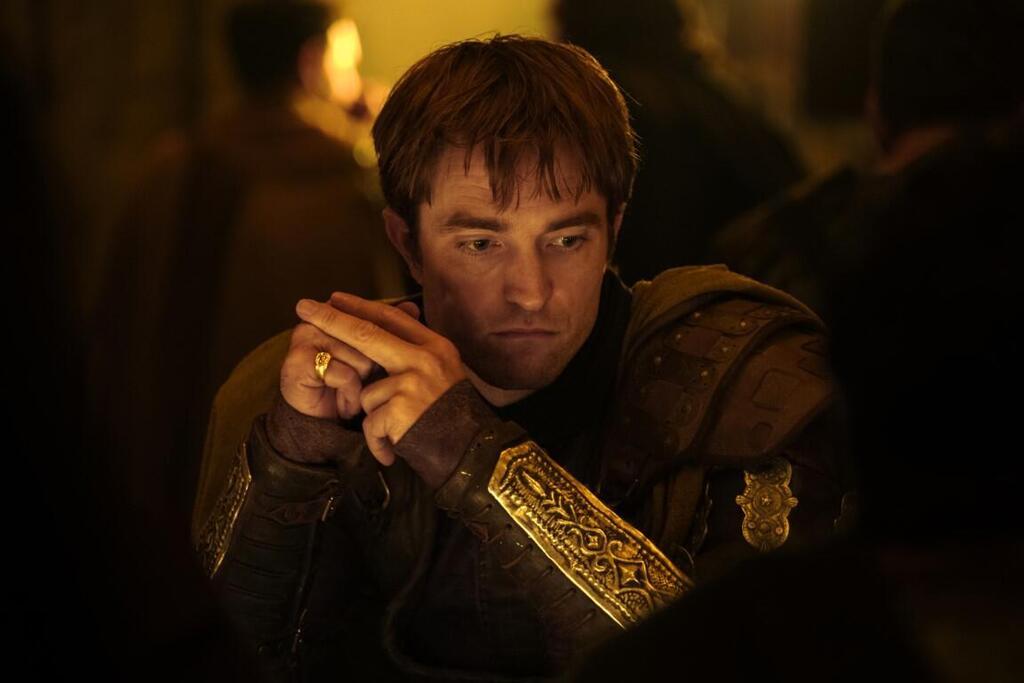
Go see it. From 'The Odyssey'
(Photo: Courtesy of Tulip Entertainment)
5. ‘Memento’ (2000)
This is the film where it all began. Technically, “Following” came first, but how many people have actually seen “Following”? “Memento” is the movie in which the quiet British filmmaker effectively announced: I am Christopher Nolan.
The film stood out in a landscape crowded with post-Tarantino independent movies, each trying to be smarter and cooler than the last, because of what appeared to be its central gimmick.
The story follows a man with severe short-term memory loss, played by Guy Pearce, who is trying to avenge his wife’s murder. The film moves backward, while black-and-white sequences proceed chronologically forward. Did “Seinfeld” not do something similar once?
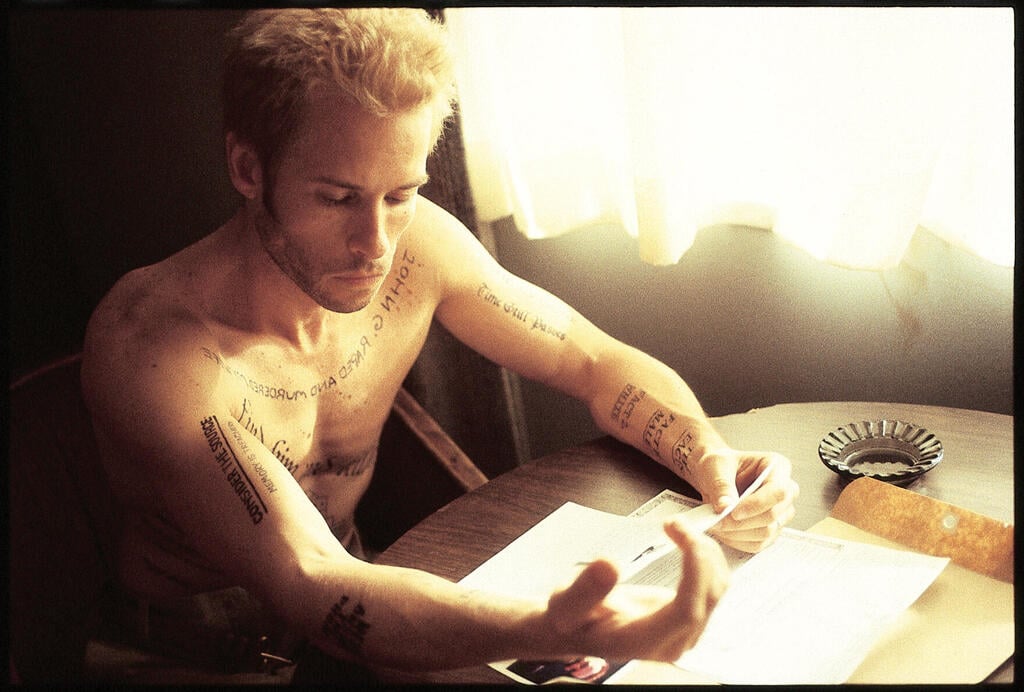
From 'Memento'
(Photo: Courtesy of Yes)
But unlike the smug critics who rushed to list earlier examples from film and television history, Nolan’s trick is not really a trick. The complicated structure works, but more importantly, it allows him to explore memory, obsession and guilt over a woman’s death. All of this was accomplished on a tiny budget with the visual texture of a standard episode of “Breaking Bad.” It remains one of the smartest and finest neo-noir films ever made.
4. ‘The Dark Knight’ (2008)
Welcome to the top four, the semifinal stage of Nolan’s personal World Cup. For us, “The Dark Knight” is France: a monumental film, transformative in several ways, widely assumed to be the obvious winner and likely to dominate Nolan’s eventual epitaph. But when the moment comes, it is not No. 1.
First, the justified praise: Heath Ledger delivers the greatest comic-book villain performance ever and creates one of the greatest villains in cinema history. The opening sequence is a master class in filmmaking. The movie contains scenes and lines that have echoed for decades, including: “You either die a hero, or you live long enough to see yourself become the villain.” Its examination of chaos is intelligent, and the score by Hans Zimmer and James Newton Howard is simultaneously uplifting and ominous.
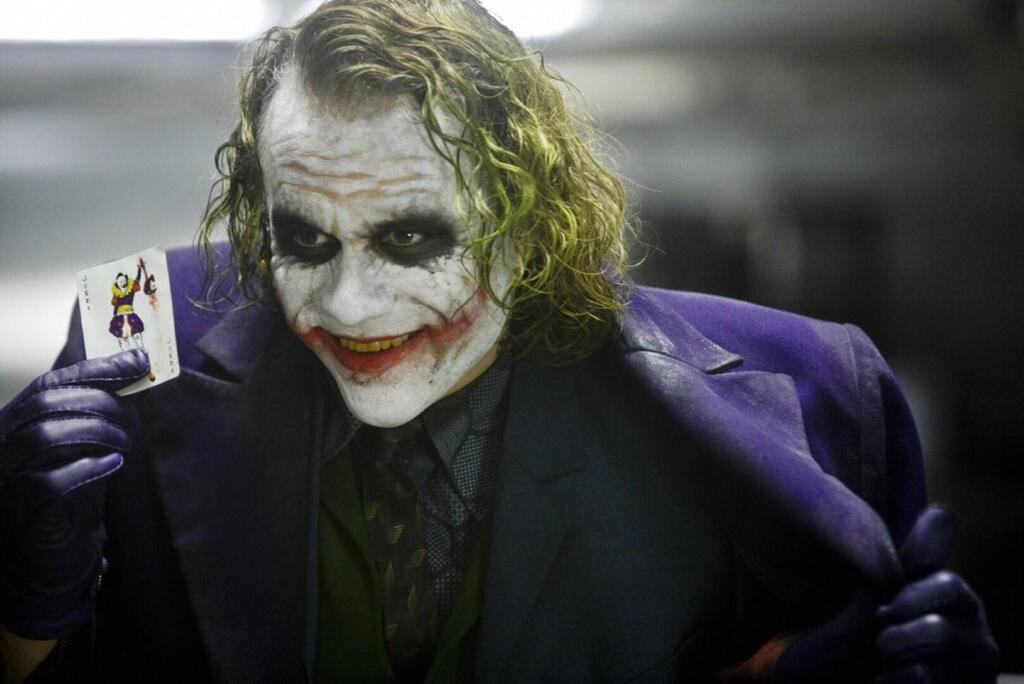
One of the greatest villains in film history. From 'The Dark Knight'
The movie made the comic-book genre “serious,” for better and worse. It forced cultural snobs to recognize that superhero films could be relevant, philosophical and important. It even changed the Academy Awards. After the film’s notorious exclusion from the best picture category, the number of nominees was expanded from five to as many as 10.
Still, why fourth and not first? Because for all its greatness, “The Dark Knight” contains moments that simply do not work, and some that are almost foolish. The Joker’s plan depends on an absurd series of coincidences. The ferry sequence turns the prisoner’s dilemma into something overly obvious and didactic. Gordon’s son gives a painful performance.
Replacing Katie Holmes with Maggie Gyllenhaal was an improvement, but the female character remained little more than a symbol. It is still an enormous film, bordering on a masterpiece. But Nolan surpassed it at least three times.
3. ‘Oppenheimer’ (2023)
A billion-dollar film about a Jewish scientist, nuclear weapons and moral responsibility? No problem. Nolan had it covered. The movie that finally brought him his Oscars and confirmed his position as Hollywood’s consensus filmmaker is genuinely magnificent.
Once again, he takes a familiar and often problematic genre, the biopic, and reshapes it according to his own instincts, using multiple timelines that eventually converge. More importantly, through the story of one brilliant and distinctly unlikable man, played superbly by Cillian Murphy, Nolan creates a film that revisits the past while issuing an urgent warning about the future. Or perhaps it suggests that the future is already lost.
Oppenheimer’s world managed to avoid nuclear annihilation, only to produce one in which such destruction still feels increasingly likely. The movie arrived just before public debate became consumed by artificial intelligence, and it captures the sensation that humanity is standing at the edge of another abyss. It is one of the masterpieces of the decade.
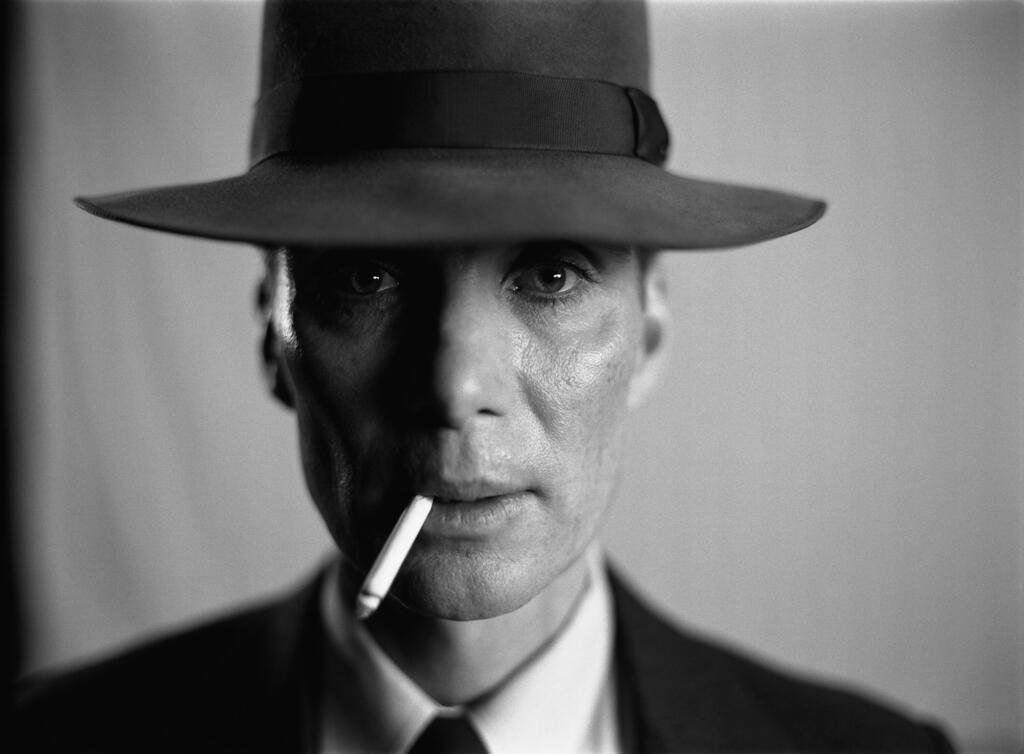
From 'Oppenheimer'
(Photo: Courtesy of Tulip Entertainment)
2. ‘Interstellar’ (2014)
Nolan’s heroes desperately want to return home. Do not believe us? Watch “The Odyssey,” where the journey takes three hours and Matt Damon waits 20 years. Nolan’s vast science-fiction epic was originally developed as a screenplay for Spielberg to direct. After extensive revisions, it became Nolan’s most uplifting and personal film.
That may seem unlikely for a project initially described as a movie about black holes developed with physicist Kip Thorne. What could be more personal than a black hole?
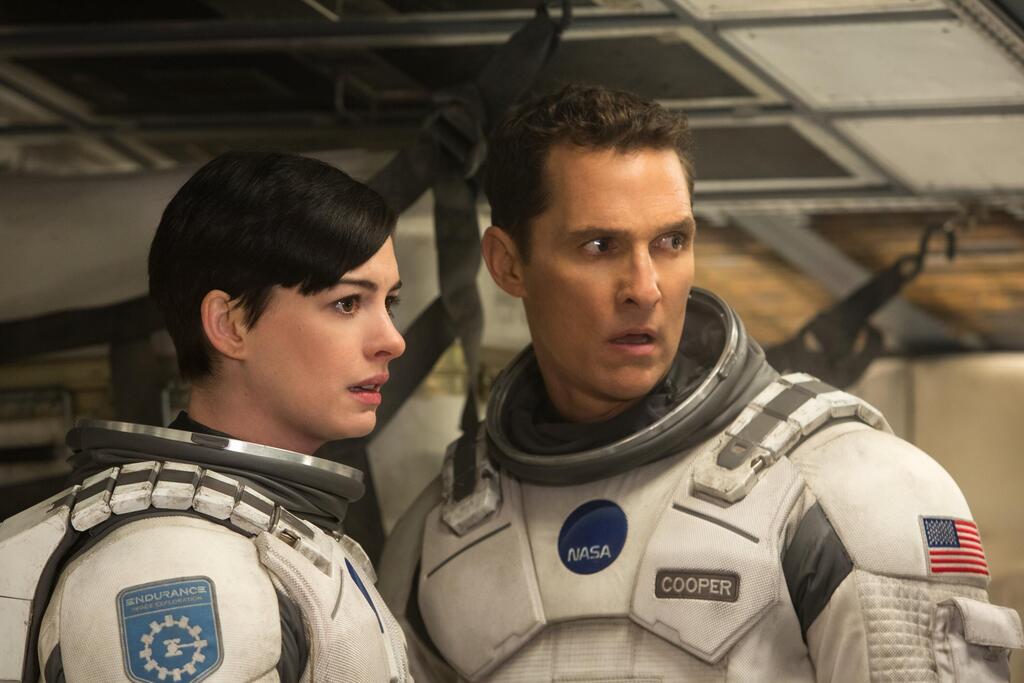
From 'Interstellar'
(Photo: Courtesy of Yes)
Matthew McConaughey plays a farmer who becomes an astronaut, tries to save humanity from extinction and longs to return to his family. What could have become another forgettable space adventure instead turns into a symphony. Literally.
Hans Zimmer’s score is among the most beautiful Hollywood has produced in the 21st century. “Interstellar” received mixed reviews upon release, yet continued to draw audiences to IMAX rereleases a decade later and is still screened with live orchestras. It is a masterpiece.
1. ‘The Prestige’ (2006)
In first place: a surprise, or perhaps not. Across a career filled with epics, genre experiments and countless manipulations of space and time, “The Prestige” is often regarded as one of Nolan’s more conventional films.
It adapts a historical-fiction novel about two 19th-century magicians, played brilliantly by Hugh Jackman and Christian Bale, who devote themselves to destroying one another.
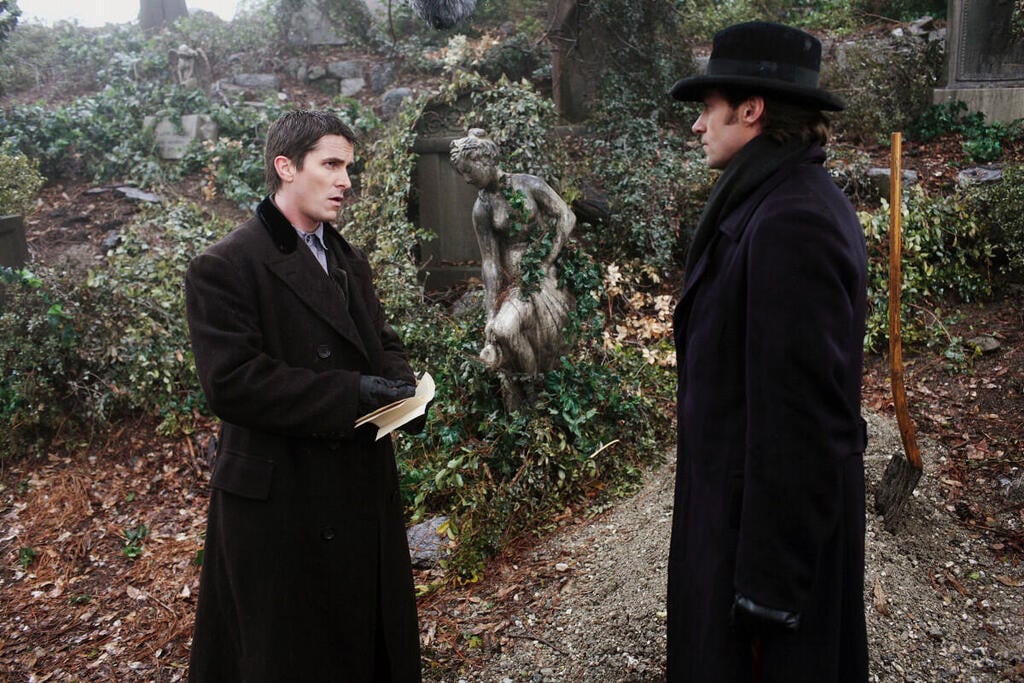
Nolan’s most revealing confession. From 'The Prestige'
(Photo: Courtesy of Yes)
Real historical figures appear along the way, including David Bowie’s memorable Nikola Tesla, but the film is primarily about obsession, rivalry and the price of spectacle. And within this apparently straightforward story lies Nolan’s clearest confession about himself. He is a magician.
He is determined to create a show that astonishes the audience, truly astonishes it, even if the cost becomes unbearable. Magic and entertainment, Nolan argues, are deadly serious pursuits. So are his films.
After every extraordinary trick, the magician must pull an even greater one from his sleeve. The challenge never ends. Thank you, Sir Christopher Nolan. Keep working this hard for us.