

Brigitte Bardot, the legendary French actress and singer who became one of the defining cultural icons of the 1960s before abandoning her film career to devote herself to animal welfare, has died at age 91, her foundation said Sunday.
Bardot was hospitalized last October in Toulon for surgery, the nature of which was not disclosed, and later returned to her home in Saint-Tropez. After media reports of another hospitalization in late November, she sought to reassure the public about her health.
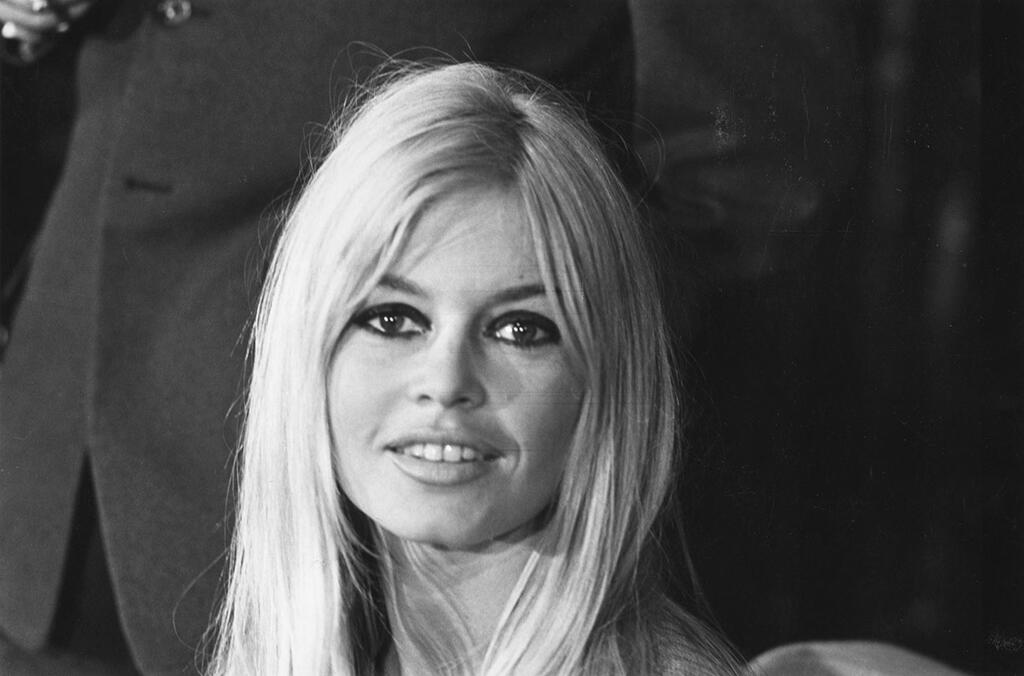
On Sunday, the Brigitte Bardot Foundation announced “with great sadness the death of its founder and president,” calling her a world-renowned actress and singer who chose to leave a brilliant career to dedicate her life to animal welfare and the foundation she established.
Bardot ended her film career more than 50 years ago after appearing in about 50 movies. Her most notable films included And God Created Woman, Contempt, Viva Maria! and The Truth.
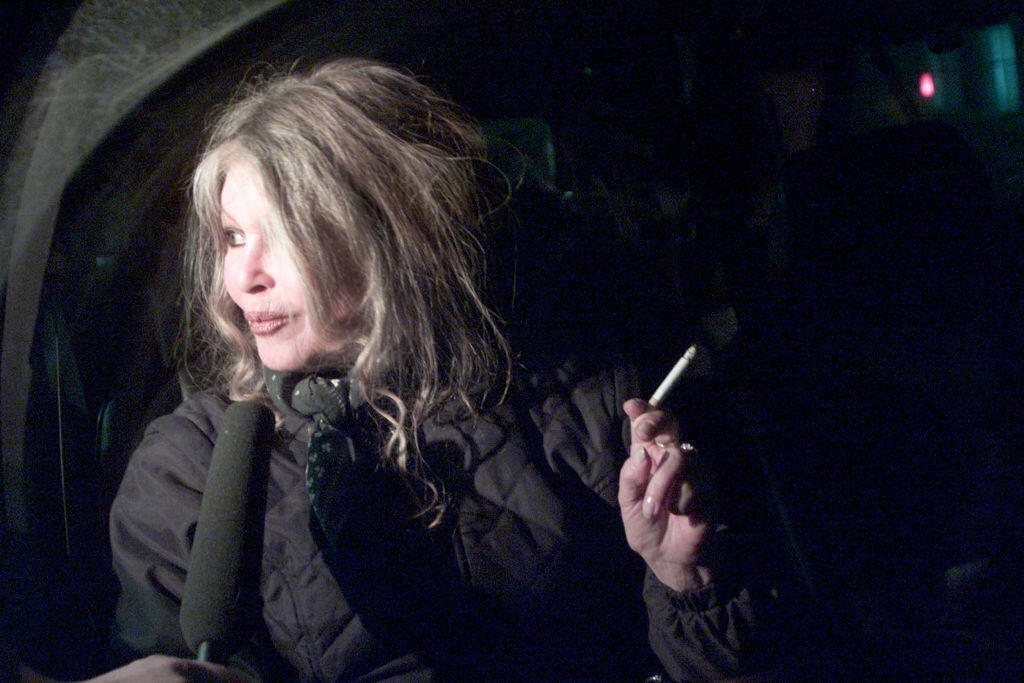
(Photo: Kael Alford / Stringer, Getty)
Born in Paris in the 1930s to a wealthy, traditional Catholic family, Bardot trained as a dancer and showed early promise. At 15, she began modeling and appeared on the cover of Elle, one of France’s most prestigious magazines. At 18, she made her film debut in Le trou normand and the same year married director Roger Vadim, then an emerging filmmaker.
Vadim’s first film, And God Created Woman, released in 1956, became a box-office sensation and propelled Bardot to international fame as a sex symbol. Her screen persona, associated with sexual freedom, resonated particularly in the United States, where films had until then been subject to strict censorship of nudity and sexuality.
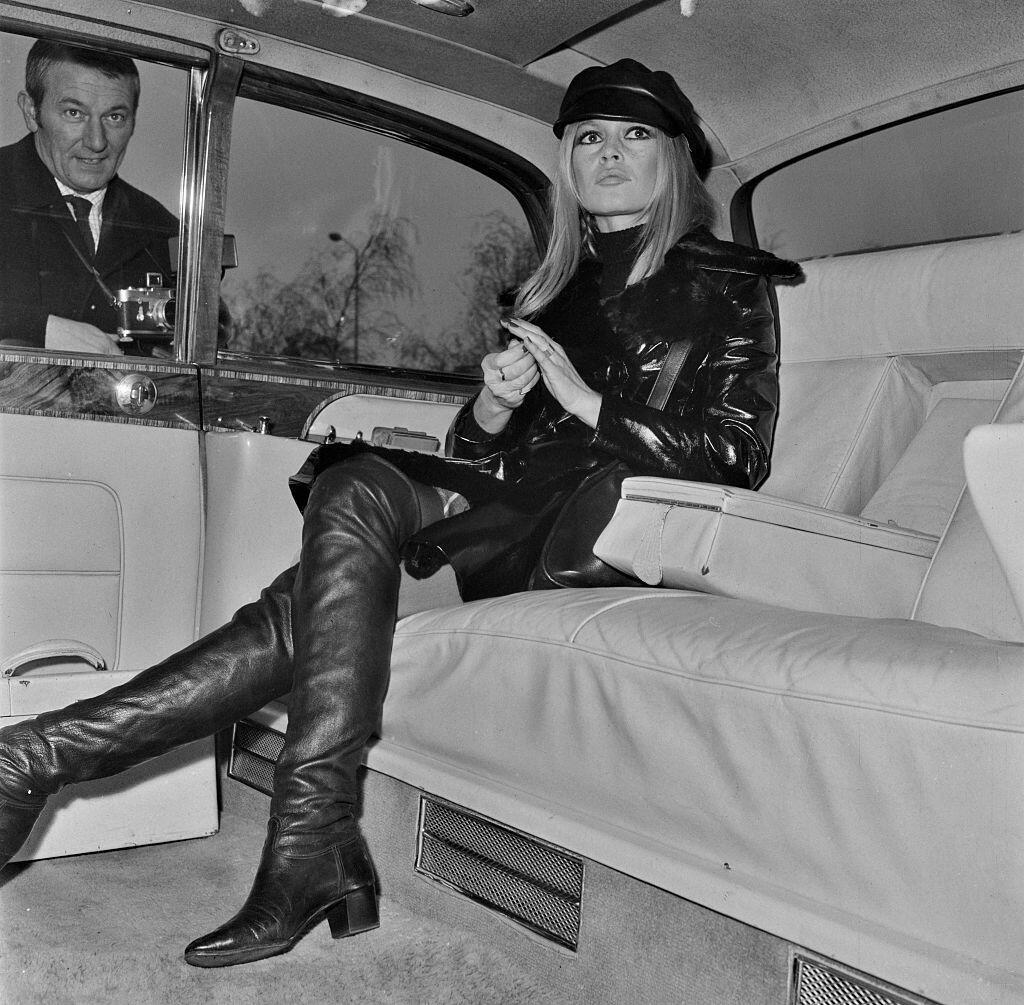
(Photo: Central Press / Stringer, Getty)
That image was reinforced in her subsequent films, many of them light comedies, though she also appeared in works considered more artistically ambitious, including Contempt, directed by Jean-Luc Godard.
After separating from Vadim, Bardot married three more times. Her personal life was marked by turmoil, including several suicide attempts. At age 40, she announced her retirement from cinema and shifted her focus almost entirely to public activism on behalf of animal rights.
In later years, Bardot became increasingly outspoken on political and social issues in France, repeatedly sparking controversy. She expressed support for France’s far-right party and made statements widely condemned as racist toward the country’s Muslim minority. A book she published, A Cry in the Silence, outlining her criticism of French policies, led to her conviction in a Paris court for incitement to racial hatred.