

Against the backdrop of growing international calls to boycott Israeli film institutions over the war in Gaza, Israeli creators spoke to Variety about feeling that they are being hurt “from both sides.” On one hand, they face censorship and pressure at home; on the other, they are seen abroad as complicit in government decisions even when they themselves oppose them.
One of the most prominent interviewees in the article is acclaimed filmmaker Nadav Lapid ("Ahed’s Knee," "Synonyms"), whose latest film "Yes!" premiered this year at the Cannes Film Festival and was later screened at the Jerusalem Film Festival. According to Lapid, organizers were pressured to cancel the Jerusalem screening because the event was partially funded by the Israel Film Fund.
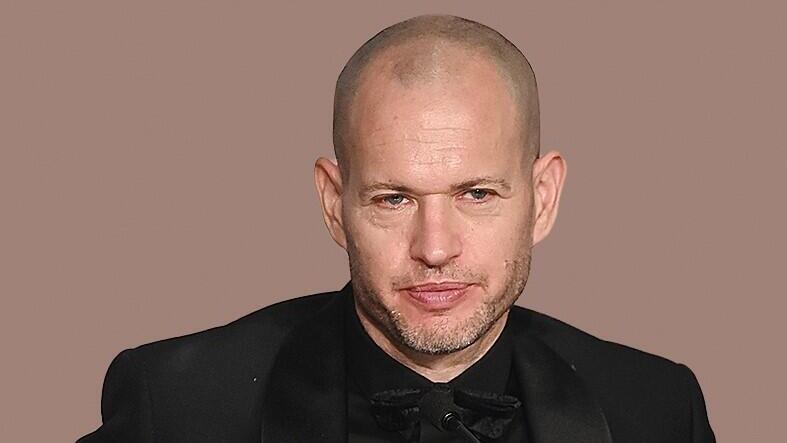
“From Oct. 7 onwards, everything closed off and was blocked. Because it’s a film that takes real risks, everything became inaccessible,” Lapid said. “People didn’t want to deal with it — not being of an ideological position but because of their fear. It was like people who see a mouse and climb on a chair and scream.”
Lapid, along with other Israeli directors and producers, explained that they experienced rejection after October 7, forcing them to rely increasingly on local funding sources as international partners withdrew—either out of fear for their reputations, financial concerns, or overtly political motives.
Still, Lapid said he “truly applauds” the petition against Israel signed by some 4,000 industry figures, including Hollywood stars Emma Stone and Joaquin Phoenix. However, he added that he fears the petition will have “zero impact” on the war, since “nobody in Israel cares what Emma Stone thinks,” and “they don’t care about the fate of the Israeli film industry, apart from a few very popular comedies which are not intended to go abroad.”
Lapid said he wished Israeli filmmakers were treated like their Russian or Iranian counterparts and argued that they are viewed as complicit in war crimes because of “the lack of political sanctions against Israel.” He explained: “I think Israel should have been sanctioned in the same way that Russia has been sanctioned, and that should not be done by Emma Stone but by Emmanuel Macron.” He claimed that if Israel had been formally sanctioned, local filmmakers seeking international partners and festival slots would be perceived differently.
“What is happening with Israeli cinema is the consequence of the impunity that Israel has enjoyed on a political level,” he said. “Since European political leaders are doing nothing, the Israeli festival directors and fund directors are caught between a feeling that something must be done and pressure from a certain audience.”
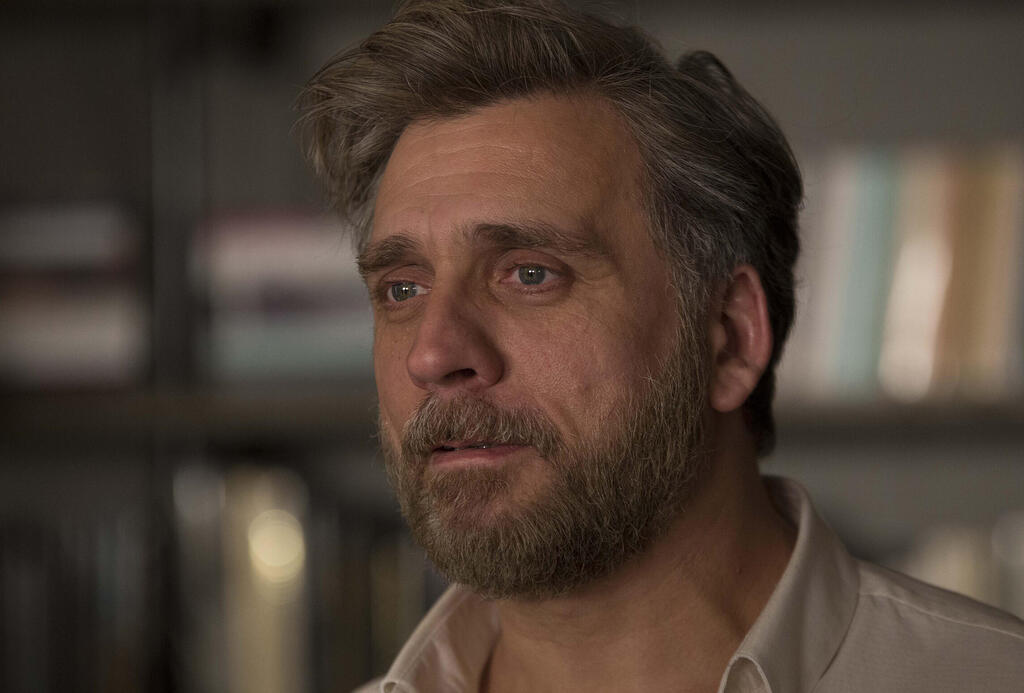
Lior Ashkenazi in 'Foxtrot'
(Photo: Giora Beh, courtesy of Yes)
Another interviewee was producer Eitan Mansuri, known for "Foxtrot" and "No Man's Land." “Along the years, if you see the harvest of films that came out of Israel, they’re the most critical of the Israeli society and are looking deep down into the conflict,” he said.
He added that while he understands the international community’s need to make loud statements against Israel, in practice it's “hurting the only people who are the voice of democracy, the voice of reason, the voice of liberalism, the voice of peace. That’s what you’re doing by boycotting the artists, the film and television community of Israel.”
Mansuri also highlighted projects involving Israeli and Palestinian creators. The article cites "The Sea," a drama about a Palestinian boy who risks his life to reach the beach in Tel Aviv for the first time, which could represent Israel at the Oscars this year if it wins the Ophir Award for Best Film.
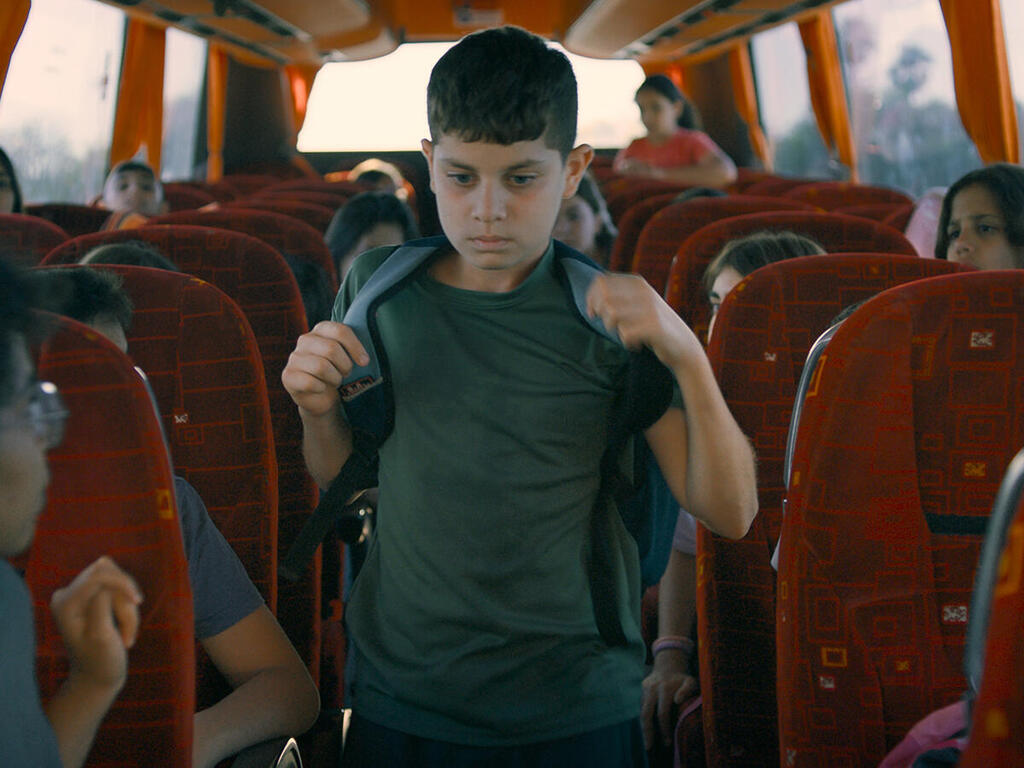
A scene from 'The Sea'
(Photo: Shai Goldman)
Michal Aviram, who now lives in Portugal and is one of the writers of the international hit series "Fauda," warned that the boycott calls risk further isolating Israel’s film and television community, which is already disconnected from the government. “We need international help to stop the war,” she said. “People who signed the petition don’t understand that they are playing to the hands of the Israeli government, which keeps trying to take funds away from all those foundations and wants to shut down Docaviv and the Jerusalem Festival because they have been criticized by the government and are expressed the suffering of our ‘enemies.’”
She further cautioned that silencing Israeli artists and creators could worsen intolerance and prejudice within Israeli society: “In Israel, if you don’t want to see what’s going on in Gaza, you won’t,” she says. “You don’t see it in the mainstream media. So the work of artists is vital and it’s important not to shut us out, to communicate with the people of Israel. We need to work together.”