

Iceland announced Wednesday that it will not take part in Eurovision 2026, which is set for May in Vienna, Austria, following a decision by the RÚV broadcasting authority. The move, a protest against Israel’s participation, makes Iceland the fifth country to withdraw, joining Spain, the Netherlands, Slovenia and Ireland.
The wave of withdrawals has sent shockwaves across Europe. While the European Broadcasting Union is trying to project business as usual and continue preparations, the fallout from the boycott decisions — driven by fierce political debates and public pressure — is still intensifying.
Official media outlets in the withdrawing countries largely presented the positions of their national broadcasters. Yet a deeper look at reactions in podcasts, fan forums (OGAE) and comment sections on news sites reveals a far more visceral and polarized picture. On one side are anger and calls for a total boycott. On the other are frustration from residents and fans who feel the music has been hijacked, along with a few outspoken voices defending Israel and criticizing European hypocrisy.
Spain: 'Israel needs accomplices and it found them in the EBU'
In Spain, where Eurovision is treated almost like a national holiday, the withdrawal triggered an intense shock. The Spanish debate is the most extreme and reflects the country’s sharp political polarization.
The clearest expression of public sentiment came from a blistering video posted by Helio Roque, a prominent Spanish Eurovision blogger and influencer, which drew strong support. “I say with great pride and deep sadness that I am glad we are not taking part in this shameful show,” he said.
“A show hijacked by a state that uses this contest to advance its genocidal agenda. The European Broadcasting Union chose barbarism, manipulation and human rights violations over countries that have proven their decency and humanity in the face of crimes on an unimaginable scale. Eurovision was born in 1956 to bring together the nations of a continent that had been the battlefield of the worst disaster in human history, World War II. Today, it is a place that allows the participation of countries that repeat the same atrocities. Israel needs accomplices and it found them in the EBU, which collaborates with this terror. Zionism has penetrated the organization to its core, and the only option is not to participate. With deep pain, I say that for me, if nothing changes, Eurovision is dead.”
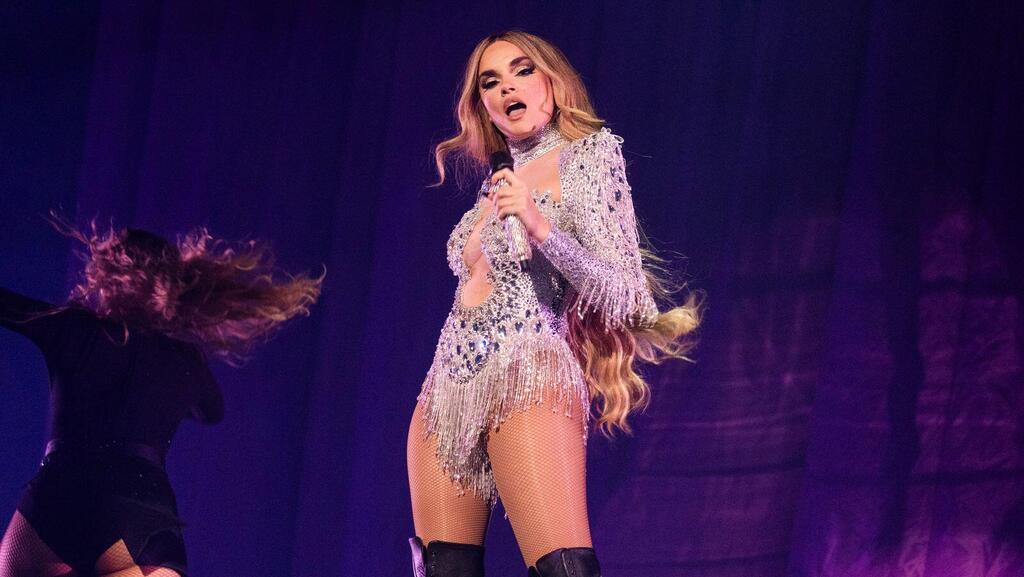
Spain Eurovision 2025 final
(Photo: Corinne Cumming/EBU)
Jose Garcia, a senior editor at the major fan site Eurovision Spain, echoed the hard line, saying: “This is a consistent, decisive and historic decision. Some delegations use the festival to launder their image.” Other commenters added: “Human rights come above any festival. Human lives come above any vote or musical contest.”
The Netherlands: Still traumatized by the disqualification of Joost Klein
In the Netherlands, the story is more complicated. Many in the public see the Dutch withdrawal as a direct continuation of the national trauma of singer Joost Klein’s disqualification at Eurovision 2024 in Malmö. For many Dutch fans, the decision to pull out is as much about settling scores with the EBU as it is a political step against Israel. Online reactions range from grief to national pride. “It hurts, but at this point it is the right decision,” wrote one user. Another praised the broadcaster’s stance: “Proud that the Netherlands still has a backbone... this is a calculated moral choice.”
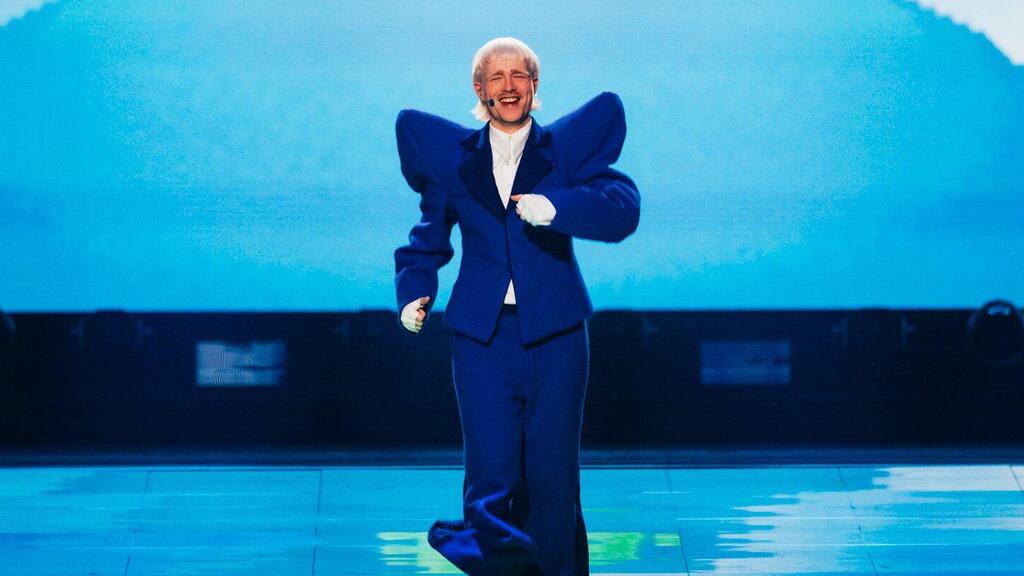
Joost Klein, the Dutch representative for Eurovision 2024
(Photo: Sarah Louise Bennett, courtesy of EBU)
Others criticized the move, arguing that the country was giving up its place on the international stage. “Very sad... this was a contest of connection and now it is turning political,” one commenter wrote. A particularly sharp response called the decision “a disgrace to the Netherlands,” saying the boycott embarrasses the country.
Ireland: Strong opposition to Israel, alongside dissenting voices — 'I’m ashamed to be Irish'
Ireland has long been one of Europe’s harshest critics of Israel, a fact reflected in the fan reactions. The dilemma in Dublin lies between the country’s deep love for Eurovision and its strong sense of solidarity with the Palestinians.
The popular podcast Éirevision announced it would stop covering the competition, saying: “At this moment we no longer recognize the Eurovision we grew up with... a contest founded on unity, peace and connection has never been more divided. Continuing to create content without acknowledging the change would harm our values and integrity, so we are pausing our activity.”
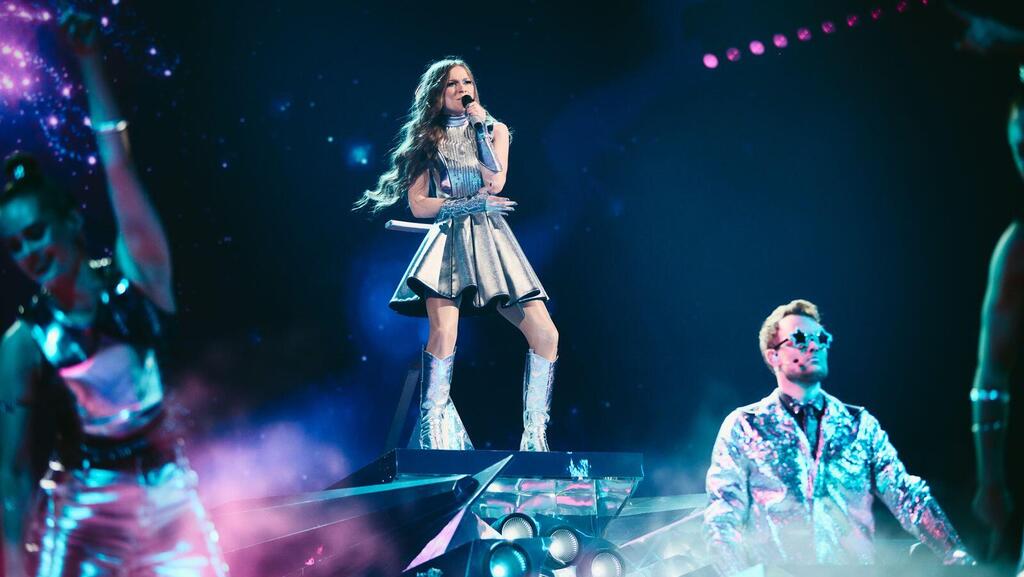
Ireland's representative, Eurovision 2025 semi-final
(Photo: Alma Bengtsson/EBU)
Michael O’Kane, founder of the YouTube channel Eurovision Hub, expressed his anguish. “Eurovision used to be a safe space for joy, community and connection, but it simply is no longer the competition we fell in love with years ago... it no longer aligns with our values.”
Irish content creator Adam McCullagh said, “I am Irish first and a Eurovision fan second. To continue as if nothing happened would feel like a betrayal of my country.” The president of OGAE Ireland added, “We are heartbroken that this is where things stand, but we support the decision. We will continue raising donations for Palestinian charities.”
Yet under the surface, there is also anger from citizens who feel their country has gone too far. Dara, an Irish fan, told ynet: “It is simply pathetic. I am ashamed to be Irish. This was a mistake, and Ireland should have stayed in the contest.”
Slovenia: The public pushes back against 'left-wing hypocrisy'
In a surprising twist, Slovenia has produced the most diverse and critical responses to the withdrawal. While the government and the national broadcaster cite values, Slovenians have reacted with a mix of cynicism, indifference and sharp criticism of national priorities.
Many welcomed the withdrawal, though not for ideological reasons. They are simply fed up with the quality of recent entries. “Thank God,” wrote one user. Another added: “Finally. In recent years, there has been nothing of quality to listen to.” For these fans, saving money and leaving what they call a “circus” is welcome news.
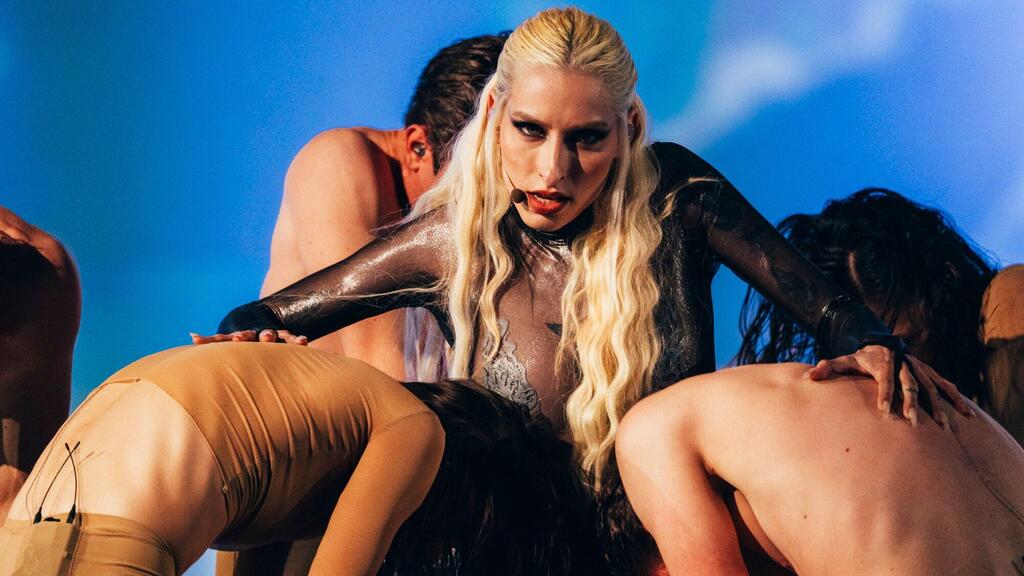
Raven, Slovenia's representative for Eurovision 2024
(Photo: Sarah Louise Bennett, courtesy of EBU)
The most striking reaction came from opponents of the boycott who see the move as left-wing populism. One widely shared comment read: “A mass display of degeneration. No self-respecting country should participate in this. But the reason we are withdrawing is pathetic. Our leftist government focuses only on Israel’s so-called genocide while slaughter in other countries does not interest it.”
'Herd of sheep and zombies'
What is driving the wave of withdrawals? Is it a cold managerial decision or surrender to public pressure? Speaking with ynet, Eurovision analyst Daniel Dunkelman explained: “We noticed this trend two years ago when the war began. Most Eurovision fans in these countries support their broadcaster’s decision. They were the ones who pushed for it.”
Broadcasters, he said, do not operate in a vacuum. “They would not have felt confident taking this step without knowing their local fan bases would back them. It is a herd of sheep and zombies. Once the word ‘genocide’ started spreading, fans repeated it, supported it and pushed for action.”
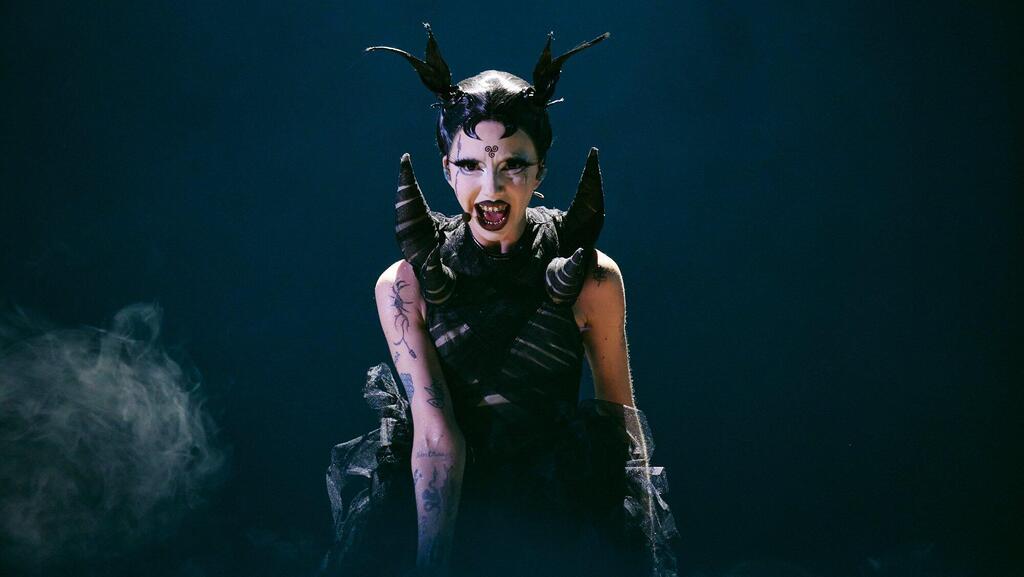
Bambie Thug, Ireland's representative at Eurovision 2024
(Photo: Alma Bengtsson, courtesy of EBU)
To fully understand the collapse, he said, one must look at the “three-leg model.” Each broadcaster’s decision rests on three pillars: political pressure, public opinion and the Eurovision fan community. When all three are aligned, as in Ireland and Spain, the decision to oppose Israel becomes straightforward. But when one pillar wavers, the broadcaster’s confidence cracks, making the decision far more complex — as seen now in countries on the fence.
In Poland, the situation is even more volatile, presenting the opposite dynamic from elsewhere in Europe. Although the government and state broadcaster TVP have taken a pro-Israel line and confirmed they will participate, Poland’s core Eurovision fan community is threatening to protest against its own entry if the country does not withdraw. It is a classic example of a case where the fan community stands in direct conflict with political leadership.