

Of all the genres in the world, the one that gives us mob stories may be the greatest cliché trap of them all. Escaping those conventions is difficult, if not impossible: dimly lit warehouses, a charismatic and cold-blooded boss, a corrupt cop, a code of honor broken at exactly the wrong moment and semi-witty recitations of existential truths just before the gun starts smoking.
Television has already proved that it is possible to make mob dramas without falling into that trap. Shows such as ‘The Sopranos’ and ‘Peaky Blinders’ demonstrated that the technology exists. But the vast majority of mob series inevitably return to the same dreary track of television fast food: an endless pile of bodies, limbs and blood, with artificial tension generated by the possibility that something violent may happen because some mobster felt insulted. There is really no need to go over it all again. You have been there and done that.
The creators of ‘The Westies,’ Chris Brancato and Michael Panes, insist that this time will be different. Their reason is the criminal organization at the center of the new series: New York’s Irish mob in the 1980s.
They maintain that ‘The Westies’ will offer a “unique perspective” on New York during that period. Their research found that although the city’s Irish mob worked with its Italian counterpart, the Gambino family, it operated far more freely, without being burdened by rigid rules and mob bureaucracy. That allowed it to rise and seize a share of the action far greater than its relative size would suggest.
In effect, the promise is of a wilder, less institutionalized mob series, one that differs above all from the standard fare already on the market.
There is good reason to believe Brancato and Panes, as this is their third collaboration on a project of this kind. Brancato was the showrunner, creator and one of the principal writers of ‘Narcos,’ the crime drama based on the true story of Colombia’s drug cartels and the hunt for Pablo Escobar.
The two later worked together on ‘Godfather of Harlem,’ which told the story of Bumpy Johnson, the head of Harlem’s criminal underworld in the 1960s, and on ‘Hotel Cocaine,’ which delved into the life of nightlife kingpin Roman Compte and Miami’s drug wars in the late 1970s. ‘The Westies’ could be described as the third chapter in this trilogy, which will presumably continue to expand.
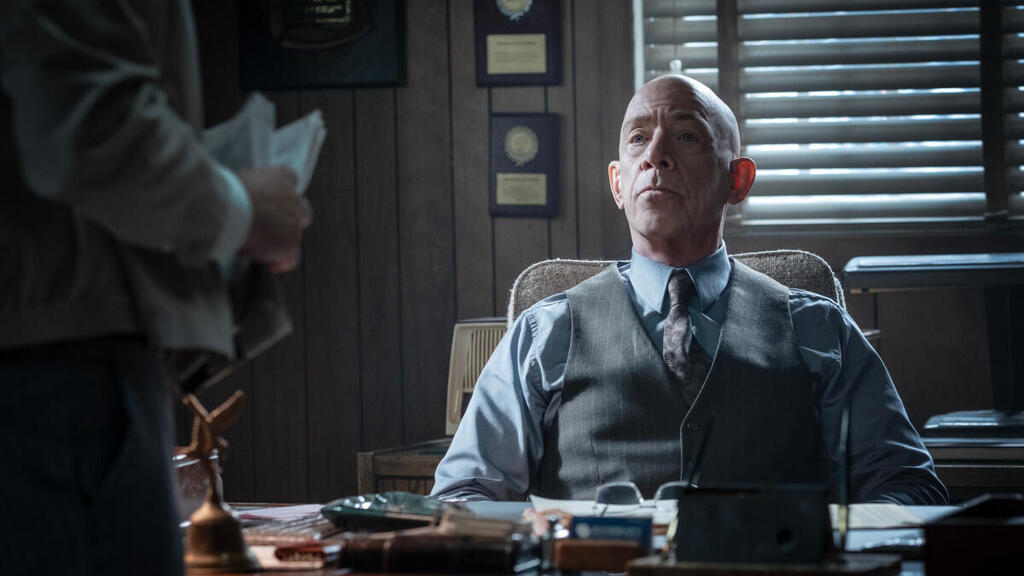
But intentions are one thing and results are another. Despite the marketing promise of a wild, chaotic and unpredictable mob, what appears onscreen is more of the same. These are the familiar mannerisms of gangster dramas made according to the bible of mob movies and television.
That may be wonderful for genre fans who enjoy watching on autopilot, immersing themselves in an ocean of testosterone, male power struggles and cigarettes dangling from the corner of the mouth. And yes, the series is well made and, above all, superbly cast.
But after ‘The Sopranos’ turned its leading mobster into an anxious man who argues with his mother and sees a therapist, and after ‘Peaky Blinders’ brought the post-traumatic Shelby brothers home from the trenches of France to the streets of Birmingham with nothing left to lose, how much time is a person willing to spend on veiled threats, beatings and protection-racket disputes, even when they are performed by exceptional actors?
J.K. Simmons, known for ‘Whiplash’ and ‘Counterpart,’ plays Eamon Sweeney, the leader of the mad Irishmen of Hell’s Kitchen. He has managed to secure an agreement under which his Irish gang will receive a share of a prestigious construction project in the city. To avoid provoking the Italians, represented mainly by the ambitious John Gotti (Hamish Allan-Headley), who would become one of the most notorious mob bosses in history, Sweeney tries to cooperate with them.
At his side is his lieutenant, Jimmy Roarke (Tom Brittney, the Rev. Will Davenport from ‘Grantchester’), a clear-eyed and moderate man who is almost too likable to be a mobster and who always tries to do the “right” thing. Jimmy’s relationship with Bridget (Sarah Bolger) is one of the series’ strongest anchors and one of the few stretches in which mob clichés are not thrown directly in the viewer’s face.
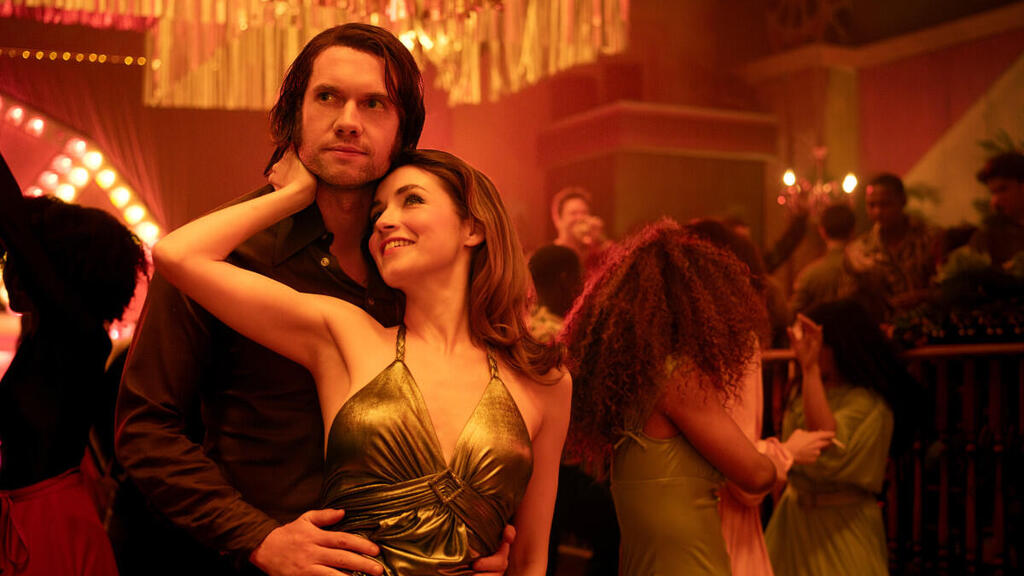
From ‘The Westies’
(Photo: Brooke Palmer/MGM+ courtesy of yes)
On the law enforcement side are police officer Glenn Keenan, a weak-willed gambler and alcoholic played by Titus Welliver, and FBI agent Birdie Polk (Jessica Frances Dukes), who is trying to bring down the Gambino family and recruits Glenn to help her.
Together, they make up ‘The Westies,’ a series that recreates 1980s New York with impressive accuracy and visual flair, and draws on all the charisma and talent of its leading actors to make itself worth watching.
But all of that is only enough to leave ‘The Westies’ in the somewhat frustrating category of a well-made series that is neither gripping nor particularly interesting. It is the kind of show that makes you hope the writers were not forced to produce it with a gun to their heads — and that, should they be unhappy, they are at least wiping away their tears with plenty of cash.