

In July 2025, the internet once again found itself disarmed by the viral magic of PinkPantheress. This time, it was not a sound that sparked a tsunami or a dance that spread like a contagion. Instead, the British pop star and producer had simply won a fully legitimate chess tournament. A photo of her beside a black-and-white board looked, to the uninitiated, like a perfect troll — until it became clear who the queen was.
Victoria Beverley Walker, or PinkPantheress, pop’s winning knight of the past year, has been moving pieces, toppling kings and thinking several steps ahead almost since birth. Her paternal aunt, Susan Lalic, is a chess grandmaster and a five-time British women’s champion. In interviews, Walker has said that had it not been for music, she would have become a professional chess player, in keeping with family tradition. For now, she leaves gambits to the occasional weekend side gig. The rest of the time, she has a world to conquer and history to make.
For example, winning producer of the year at the Brit Awards, the United Kingdom’s most prestigious music prize. The gender-neutral title is due in no small part to her: she is the first woman ever to win in the category, a major achievement for her and a glaring omission for an award founded 49 years ago. Walker, of course, did not know — or at least played it that way. When told in a BBC interview that she had broken a glass ceiling, her response was a look of astonishment. “What, since the ’70s?!” she said, before asking to thank the female producers who inspired her. One can only hope it will not take another jubilee for it to happen again.
It is easy to draw a line between brilliant chess and the refreshing pop Walker creates and produces as PinkPantheress. Both require sharp instincts, rapid recognition of opportunity and a killer instinct. Walker displays all of these, alongside a slightly playful persona befitting a 24-year-old, making her one of the hottest names right now on the razor-thin line separating commercial and original pop, viral and artistic.
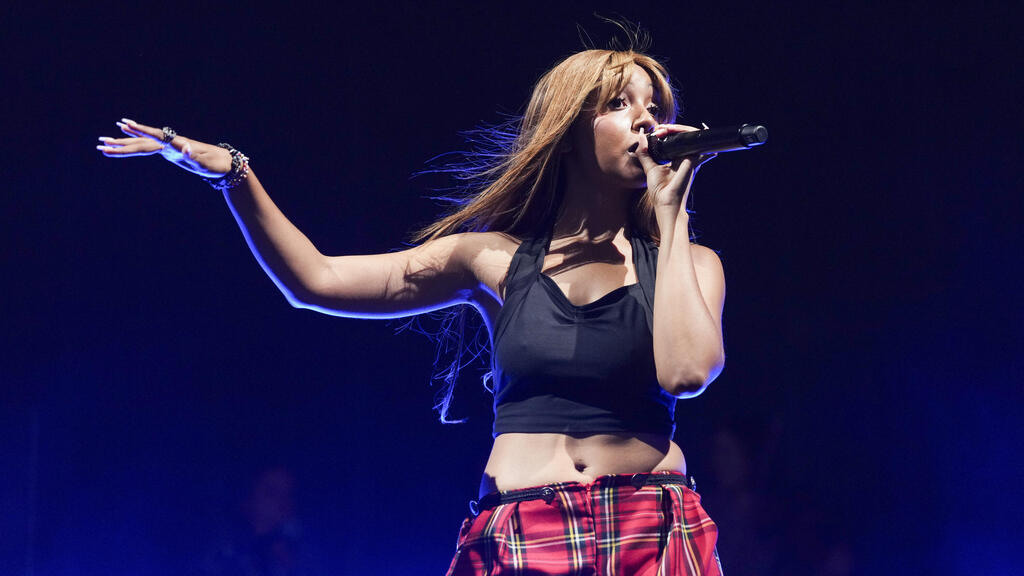
Her debut performance at the Coachella festival this past weekend was among the event’s standouts, showing that the phenomenal success of the hit “Stateside” — in its remix version with Zara Larsson — was not her last word overseas. She is an integral part of a wave of British female stars (Raye, Olivia Dean, Lola Young and others) crashing onto the shores of the most important — and most difficult — territory of all: the United States.
Knows exactly how to capture attention
Walker’s life, born in 2001 in the Roman spa town of Bath and raised in Canterbury, would change completely at the age of one — without her knowing a thing about it. She was busy being a baby, the daughter of an English statistics professor and a Kenyan caregiver, when a scrappy British artist named Mike Skinner, known as The Streets, released his brilliant debut album, Original Pirate Material. The album redefined British hip-hop and, more specifically, the 2-step garage genre, which fused rave culture with beat-driven music and captured the urban spirit of young people in the United Kingdom at the start of the 21st century.
Nearly 20 years later, PinkPantheress sampled “It’s Too Late” from that seminal album in her song “Nice to Know You,” and the connection felt entirely natural. The sound — blending naivete and melancholy — the writing, simple yet layered, all serve as a kind of entry pass into a mind in its most formative stages.
In fact, from her breakout track “Break It Off” in 2021, Walker showed she does not need much to command attention. The song runs just a minute and a half, with her half-speaking, half-singing in a delicate, almost childlike voice about what bothered her in a boy who broke her heart. It sounds like a voice note played at double speed over beats. That was enough to explode on TikTok and lead to a record deal.
Not bad for someone who initially wanted to study film editing but realized her classmates were “ten times better than me,” so she shut herself in her room with Apple’s GarageBand app and learned how to translate an overactive mind into music.
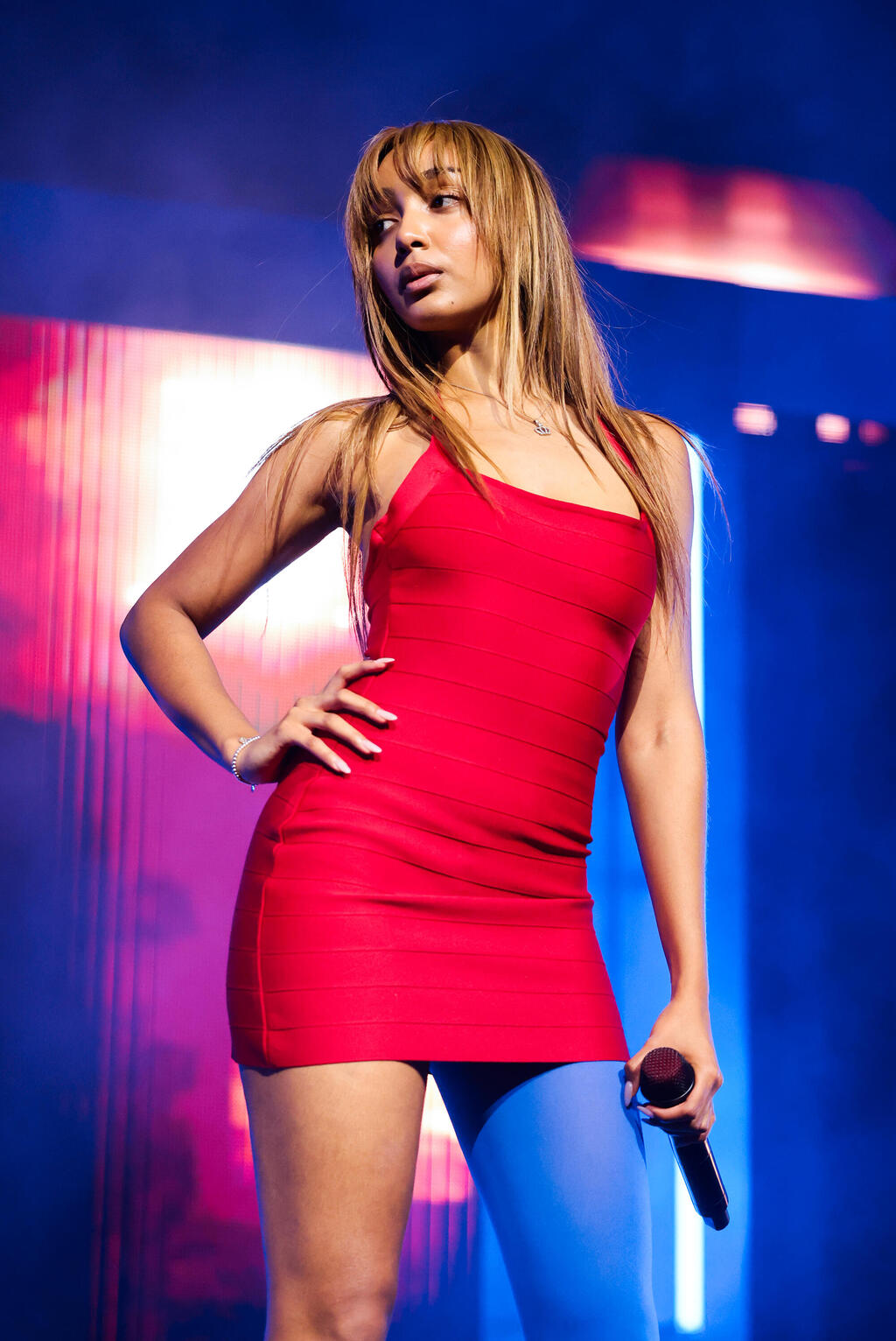
(Photo: Arturo Holmes/Getty Images for Coachella)
A year later, she was named to the BBC’s prestigious “Sound of 2022” list and became a major trend among British producers and creators looking to crack the code of the TikTok generation — and realizing who already held it.
At the start of 2023 came the breakthrough that effectively granted her entry into the United States: “Boy’s a Liar Pt. 2,” a remix with rapper Ice Spice, which peaked at No. 3 on the Billboard chart. The song “Angel,” from the Barbie soundtrack, provided another crucial boost. Her 2023 debut album, Heaven Knows, did not sustain that momentum and was met with a cooler reception, but she kept working — especially on stage across the U.K., Europe and the United States — building credibility as a relatively rare female presence in music production within the pop industry.
Then, in 2025, came the excellent mixtape Fancy That?, which set the record straight for anyone who had doubts. Tracks like “Illegal” revived the smart euphoria of early-2000s British dance music. “Noises” sounded like early Lily Allen colliding with the frenzy of the social media era. “Stateside” became the unofficial refreshment of that summer even before the addition of Zara Larsson, who joined in the mixtape’s remix version — itself inspired by a similar move from Charli XCX with Brat. The mixtape proved that Walker had not merely cracked the algorithm; she convinced skeptics and cynics alike that this generation has something real to offer — and that dismissing or diminishing it would be a mistake.
Shattering the internet
Prejudice toward Walker is not only generational. In nearly every interview, she speaks about how difficult it is for a young Black woman making electronic music to be taken seriously. That makes her Brit Awards win all the more significant, even if Generation Z tends to view the ceremony as out of touch.
In a conversation for Interview magazine with fellow artist Clairo, Walker said she initially wanted to keep her face hidden “so it wouldn’t affect how my music is perceived. Not because of pretty privilege — it was more like, ‘What if they don’t like how I look? What if it doesn’t match how they hear my music?’”
Here, too, she found a clever solution. Television viewers suddenly encountered her face on the long-running quiz show The Weakest Link, shortly after the Grammy Awards, where she was nominated for “Illegal.” The internet once again struggled to reconcile what seemed like contradictory concepts: “young, star, pop” versus “quiz show, knowledge, rules.”
Walker was eliminated just before the end, but the message was clear: in her case, only on television can anyone call her the weakest link.