

In her first episode of Heroes, Claire Bennett looks like the embodiment of the ideal American teenager: blonde, popular, a cheerleader, seemingly living a perfect high-school life. Then she jumps from a bridge. Her body hits the ground with exactly the consequences physics would suggest. But Claire gets back up, pushes her bones back into place and carries on as if someone had pressed Ctrl+Z on the laws of nature.
When you are 17 and something like that happens, you do not necessarily call a doctor. You try it again, and you film yourself doing it.
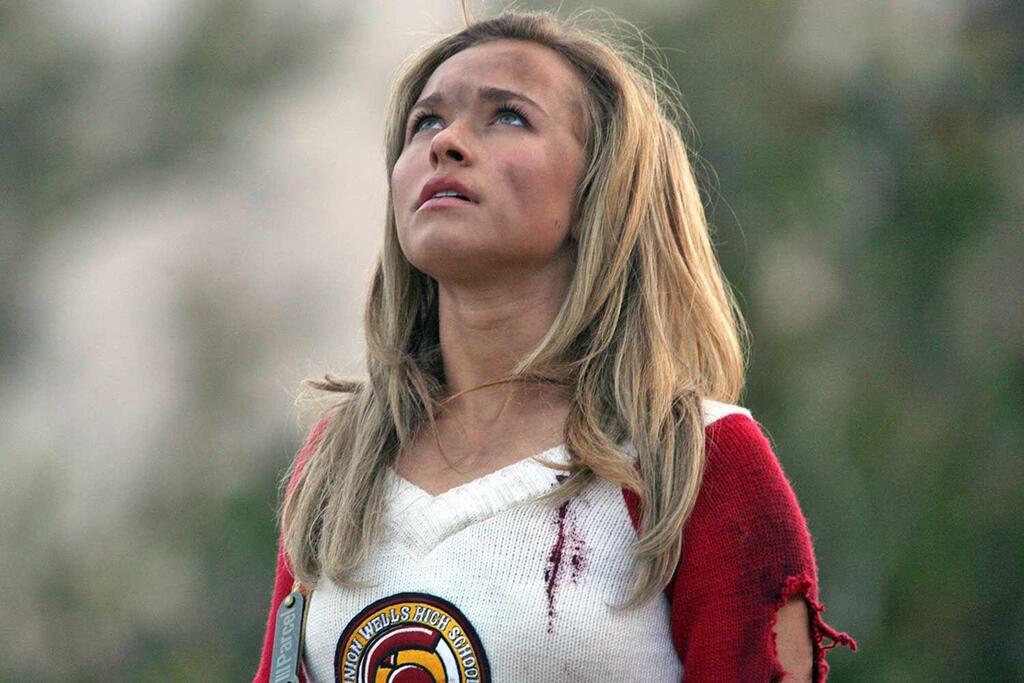
Hayden Panettiere, who played Claire and helped turn the phrase “save the cheerleader, save the world” into one of television’s defining slogans of the 2000s, died last month at 36.
Like any sudden death of someone audiences grew up watching, hers invites a certain kind of collective reckoning. But in this case, it also invites another look at the character she played, and at generations of American teenage girls who discovered, at the most unstable moment of their lives, that they were far more powerful than they had ever imagined.
Claire was hardly the first. A decade before she jumped from that bridge, Sabrina Spellman discovered on her 16th birthday that she was a witch. Around the same time, Buffy Summers, exactly the kind of girl horror movies traditionally killed first in a dark alley, turned out to be the one killing the monster.
The fantasy followed a remarkably consistent formula. Maybe you do not understand what is happening to you because you are a teenager. Or maybe you do not understand what is happening to you because you are a witch. At 15, both explanations can feel equally plausible.
Adolescence is already dramatic enough. American television discovered around 30 years ago that adding magic, vampires or unexplained regeneration did more than create a useful metaphor. It could also produce eight seasons of television.
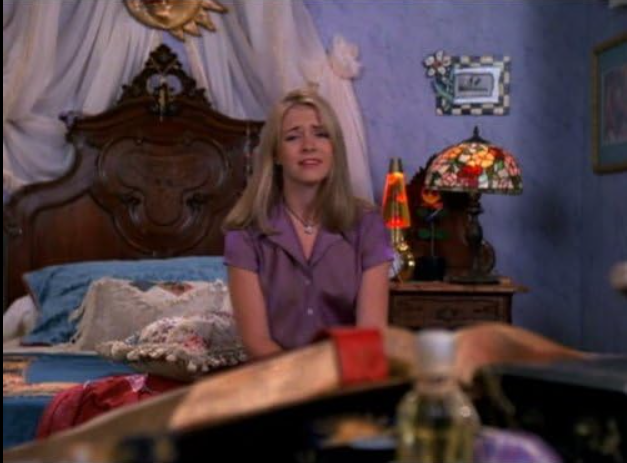
From Sabrina the Teenage Witch
This September brings several strands of that fantasy together: 30 years since Sabrina the Teenage Witch, 20 years since Heroes, and a death that reminds viewers that the supposedly indestructible cheerleader was, beneath all the fiction, played by a flesh-and-blood person. Claire may have been mortal. The fantasy she embodied seems anything but.
Why girls get powers differently
It is probably no accident that so many of these stories begin during adolescence. This is the age when sexuality enters the picture, parents begin losing authority, social rules become impossibly complicated, self-criticism turns vicious and hormones can make an ordinary Tuesday feel like the end of the world.
A teenage girl is caught between two forces: the one transforming her body without permission, and the outside world demanding that she grow up, behave correctly and perhaps make herself less visible.
In that context, a story about a girl who can read minds or set things on fire with her eyes becomes a generous fantasy of compensation. And it is a very specific fantasy. The heroine is usually young, usually at precisely the moment her life begins changing, and the power is usually discovered rather than acquired. It was already there, dormant, waiting for the right moment.
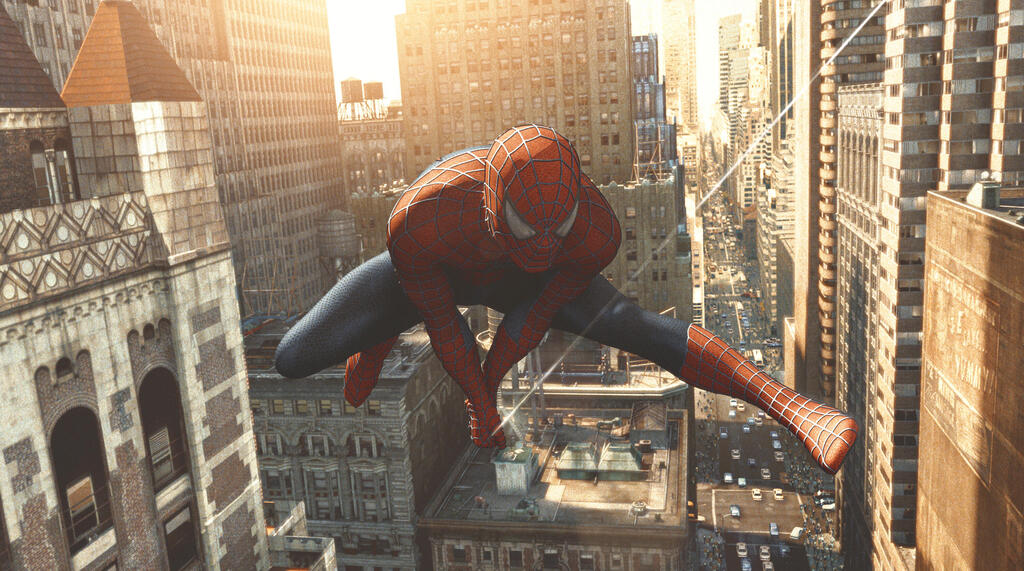
For a teenage boy, superpowers are usually an upgrade that comes from outside. From Spider-Man 2
(Photo: Courtesy of yes)
Male superheroes are often built differently. Peter Parker is bitten by a spider. His transformation arrives from outside. Clark Kent has his own identity crisis, and male superheroes certainly suffer emotionally, but their powers are often framed as an upgrade that they then have to learn to control.
For boys, power naturally fits into a story of becoming a man: a teenager who feels weak, insignificant or invisible suddenly acquires abilities that redefine him, and must then decide what kind of person he wants to become. For girls, power is more often a revelation about who they already were.
The question is not merely, “What can I do now?” It is, “What does it mean that this was inside me all along?” Peter Parker is thrilled by what the spider bite gives him. Claire complains. Television transformed that anxiety into fantasy: maybe you are not losing control. Maybe you are discovering that you have far more power than you thought.
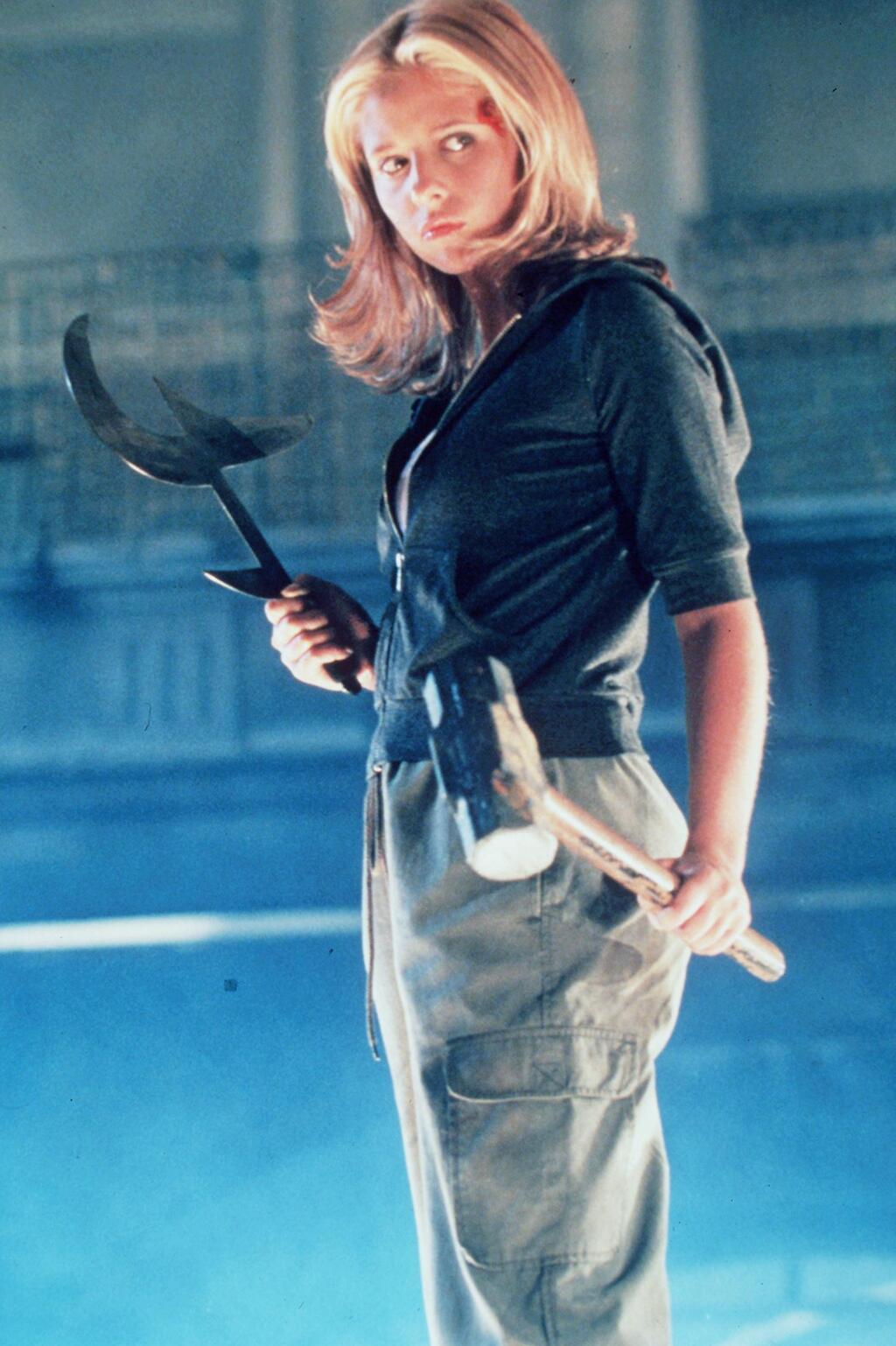
From Buffy the Vampire Slayer
(Photo: Getty Images / Handout)
In the 1990s, the fantasy was comparatively simple. Power came with an optimistic promise. It did not solve adolescence. Sabrina still had to deal with school, first love and everyday embarrassment. But magic also gave her something to enjoy. Buffy pushed the idea further. She took the familiar image of the vulnerable young woman, the girl expected to be prey, and turned it into a source of strength.
With great power comes great responsibility — and a heavy burden
Then television started making the bargain darker. The persistent fantasy of the superpowered teenage girl remained, but the powers increasingly arrived with responsibility, isolation and pain. America became less interested in telling these girls that power was wonderful. More often, power came bundled with loneliness, trauma, anger and alienation. Want to be a hero? Think again
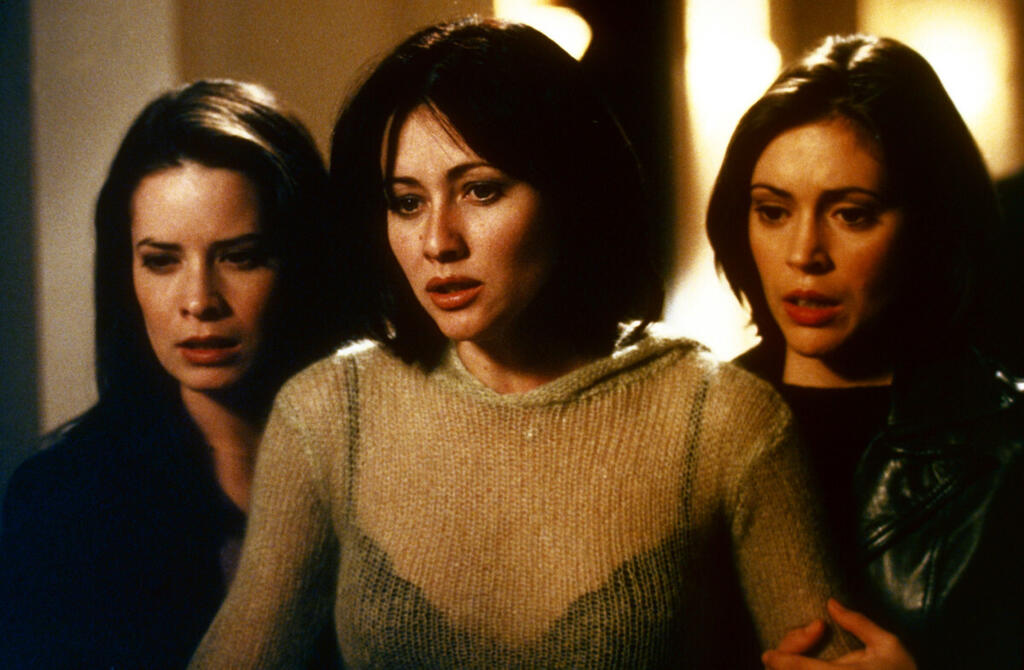
From Charmed
(Photo: © CBS Broadcasting, Inc. All Rights Reserved.)
Charmed, which arrived alongside Buffy the Vampire Slayer, gave the fantasy another form. The powers were no longer the secret of one teenage girl but an inheritance shared by three sisters. They were young women trying to run ordinary lives while also fighting demons before dinner. Their abilities were part of their identity and their family history. They knew who they were; the challenge was learning how to live as adults while carrying extraordinary abilities.
Then Heroes returned the idea to the lonely uncertainty of adolescence. After Claire records another one of her impossible falls, she is not delighted by her extraordinary body. She is mostly trying to work out how to conceal it from ordinary life, her boyfriend and her parents. As if teenage life were not complicated enough, she now has a body with an inexplicable ability that she has to understand, manage and hide.
The desire to be normal collides with the ability to do something profoundly abnormal. That tension became central to the stories that followed. A girl who is unusually powerful is not only a hero. She is also less likely to belong.
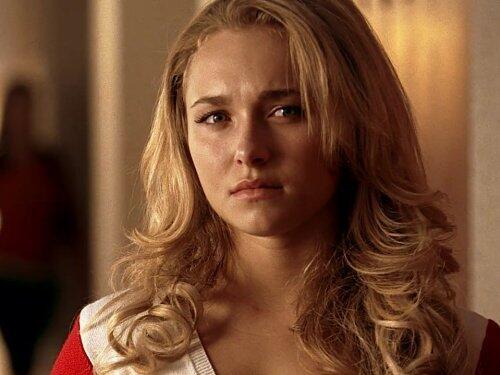
From Heroes
(Photo: NBC)
Then came trauma
From there, it was a short journey to Eleven in Stranger Things. There is no magical discovery, no inheritance and no charming secret. There is a laboratory, a number on her arm and adults treating her like an object that arrived in a package.
Her powers emerge from experimentation, exploitation and abuse. When Eleven moves something with her mind, it is impossible to see only the power. You also see the child behind it. Her abilities do not necessarily make her stronger. If anything, they are bound to what wounded her. Using them feels less like victory than a reminder of what she endured to become who she is.
Wednesday Addams is an even more self-aware version of the same idea. She does not try to be normal. She does not care about fitting in and certainly does not believe her strangeness is a problem requiring a solution.
Wednesday wants everyone to leave her alone. In that sense, she is a classic teenager. She believes nobody understands her, distrusts adults, sees the world as fake and is convinced that she alone recognizes the truth. The difference is that television now treats those instincts not simply as adolescent moodiness, but as personality, and even as an advantage.
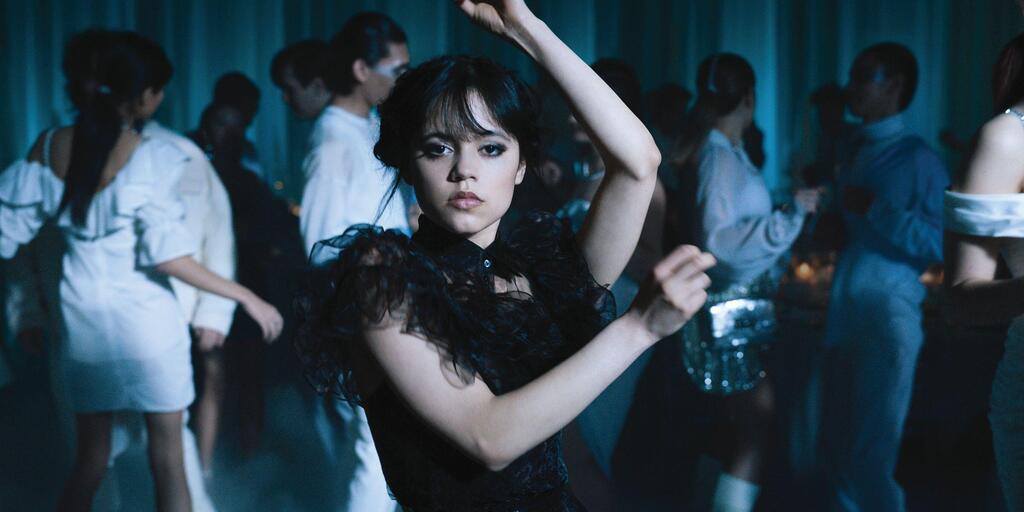
From Wednesday
(Photo: Courtesy of Netflix)
Thirty years later, Sabrina offers perhaps the clearest measure of how far the fantasy has traveled. In 2018, Netflix took the sugary, innocent version associated with the 1990s sitcom and retold the character in Chilling Adventures of Sabrina. The new series was not a remake of the sitcom but drew from the darker comic-book interpretation.
The talking cat was no longer there primarily for jokes. There were ghosts. Sabrina’s great dilemma was no longer whether to attend a school dance with her human boyfriend, but whether to sign her name into the Book of the Beast and align herself with Satan. Instead of anxieties about being late for class, the series dealt with gender politics, violence and overt sexuality.
Wednesday, of course, is not a newly invented girl either. She emerged from the decades-old Addams Family universe. But now she gets to be the center of the story rather than the strange child standing to the side. Over three decades, American popular culture has taken the fantasy of the superpowered teenage girl on a full circle.
What was once a delightful secret worth hiding from your parents has become something closer to a contract with the devil that nobody asked whether you were ready to sign. Same witch, different era. This time she already knows there is no such thing as a free ride on the broomstick.
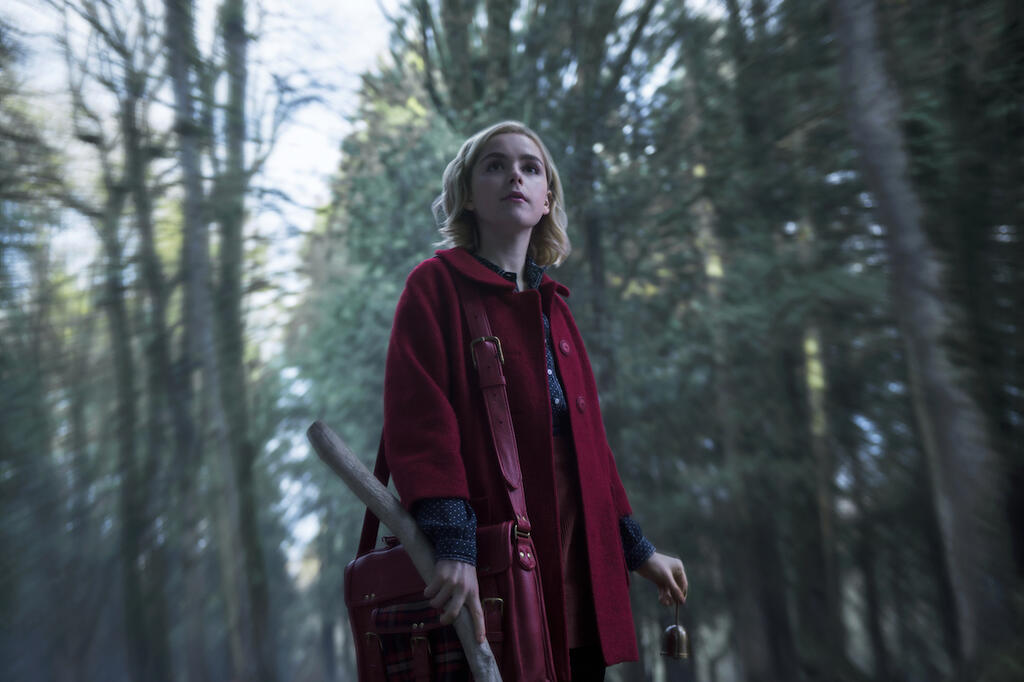
From Chilling Adventures of Sabrina
(Photo: Courtesy of Netflix)
That evolution did not happen in a vacuum. A generation raised on filters, on “authenticity” measured in likes and on a culture that exhausts itself every two weeks is no longer particularly interested in the old fantasy of fitting in.
Being “normal” has stopped looking like the reward at the end of the story. Increasingly, it is something to escape. Television did not invent that shift. It recognized that the product needed new packaging. Perhaps the strangest thing television could now do for teenage girls would be to give them the superpower they actually need.
After vampires, witches and telekinesis, maybe the next great ability is simply knowing what the algorithm wants from you, and how to make it work for you instead.
Panettiere is gone, but Claire, like Sabrina and Buffy before her and Eleven and Wednesday after her, remains frozen at the moment American television seems to love imagining most. Sixteen years old, just before the girl everyone thought they knew becomes someone they do not yet recognize, and discovers that she is much stronger than anyone imagined.